
The King of Swamp Rock Vocals
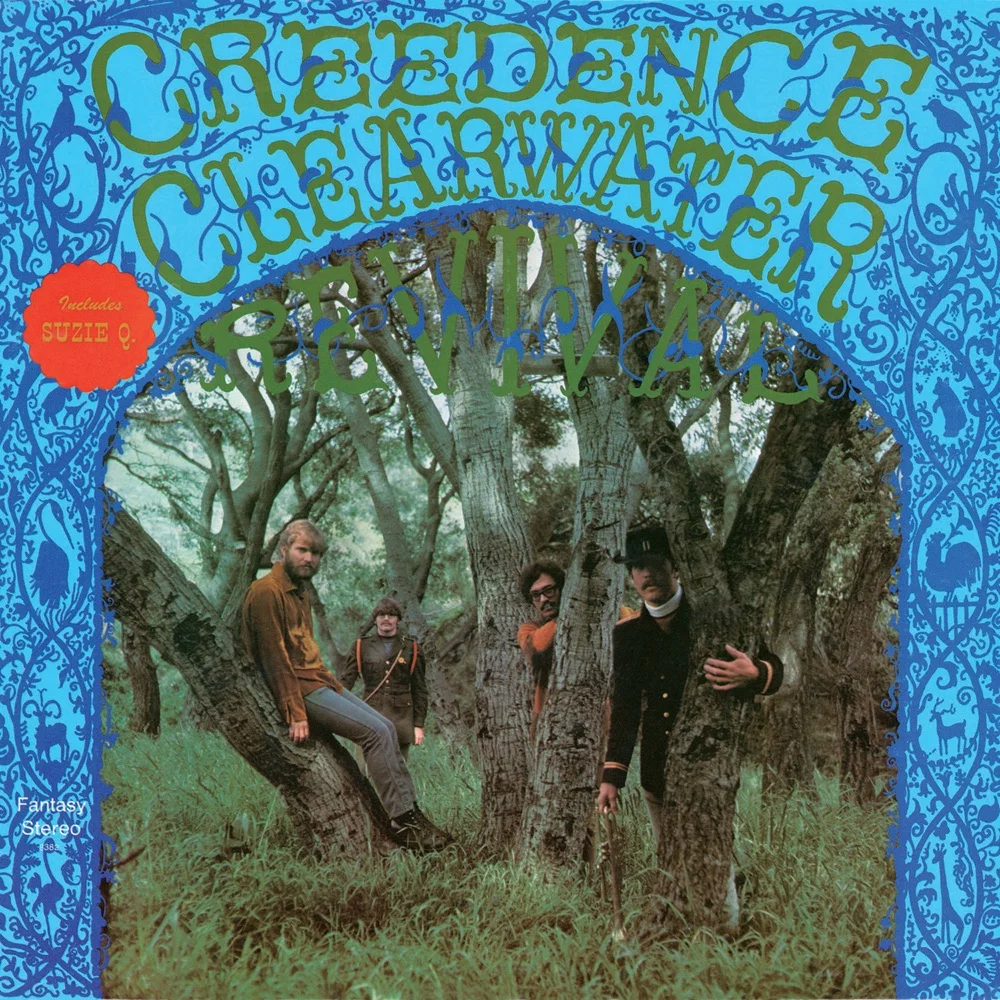
"I Put a Spell on You" was originally written by Screamin' Jay Hawkins, but Creedence Clearwater Revival transformed it into a psychedelic rock anthem. Released in 1968 on their self-titled debut album, this track is a masterclass in John Fogerty's signature vocal style: raw, gritty, and incredibly powerful.
Unlike the theatrical antics of the original, the CCR version relies on driving rhythm and vocal endurance. To sing this correctly, you need to navigate the fine line between power and strain. It is not just about being loud; it is about controlled resonance.
AI Coach Tip: Safe Distortion
Do not push from your throat to get the grit. This causes damage. Use your diaphragm for support and gently engage your false vocal folds (the 'grumpy sigh' feeling) to add texture safely.
Phase 1: The Groove & Entry (0:00 - 1:45)
The song establishes a hypnotic E Minor groove. When the vocals enter, they sit in a comfortable mid-range for most male voices. However, the tone must be assertive.
The Trap: Many singers start too clean. You need to introduce a slight "cry" or "edge" to your voice right from the first line, "I put a spell on you," to match the blues-rock aesthetic.
Phase 2: Building the Tension (1:45 - 3:00)
As the band builds intensity, so must you. The repetition of "Because you're mine" requires increasing breath pressure. You aren't changing pitch drastically, but you are changing dynamic intensity.
- Vowel Modification: On higher belted notes, modify your vowels towards "Uh" or "Ah" to keep the throat open. Singing a closed "Ee" vowel with grit is a recipe for cracking.
- Rhythm: CCR is all about the pocket. Don't rush your phrases; sing slightly behind the beat to achieve that "swamp" feel.
Phase 3: The Climax (3:00 - End)
The outro features some of Fogerty's most aggressive vocal work. The sustained belts on "You're mine!" hit around G4/A4 depending on the specific live version or ad-lib. This requires full chest resonance.
Ensure your posture is grounded. Engage your core muscles as if you are bracing for a punch—this protects your vocal cords when applying this level of pressure.
Frequently Asked Questions
The highest belted notes generally hit around A4. While not incredibly high by modern pop standards, the difficulty lies in maintaining the gritty texture at that pitch.
True grit comes from the false cords (vestibular folds), not the true vocal cords. Practice the "clearing your throat" sensation gently without pitch first, then add the note underneath.
Yes! You can sing a "clean" version of the song, focusing on the blues phrasing and rhythm. Use the Singing Coach AI app to experiment with different vocal textures.