
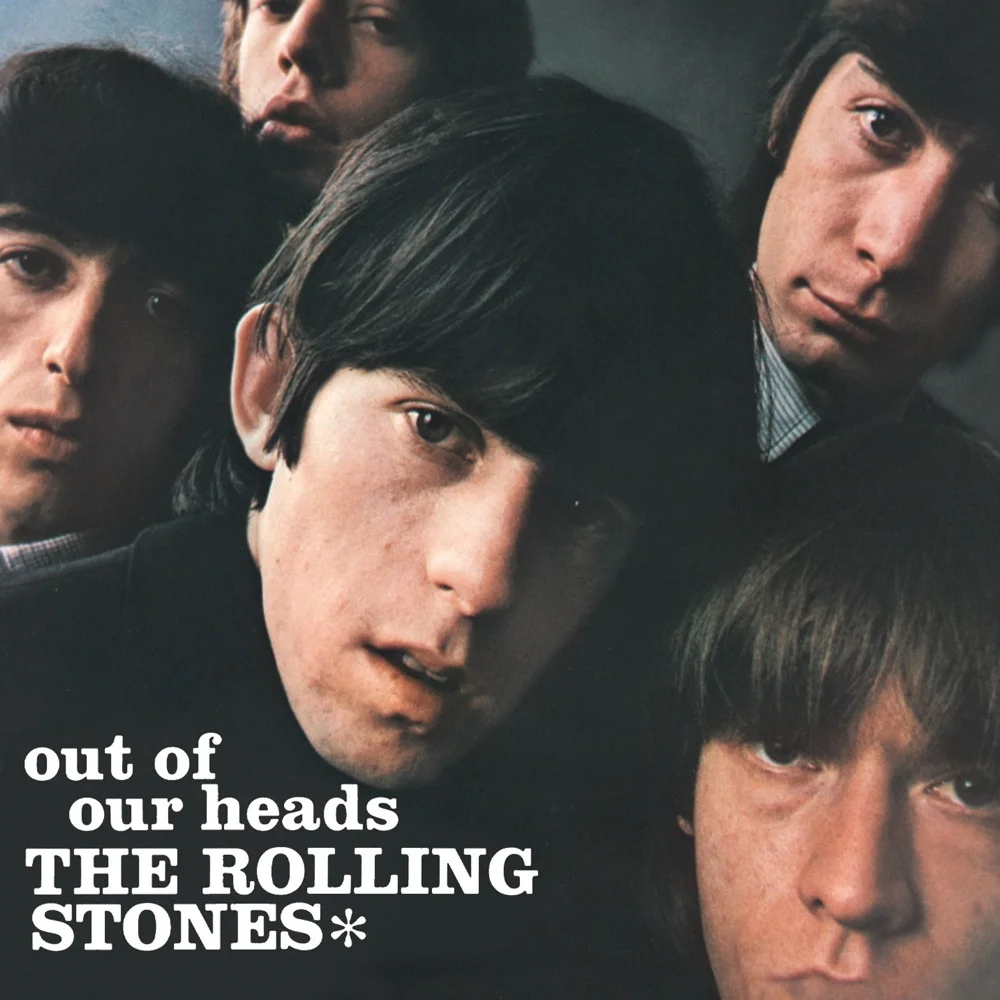
The Anthem of Rock & Roll Rebellion
"I Can’t Get No) Satisfaction" is defined by its iconic fuzz riff and Mick Jagger’s distinctive vocal delivery. Unlike ballad singing, this track requires you to focus less on "pretty" tone and more on rhythmic attack, attitude, and a conversational, almost shouting style.
Jagger's performance sits comfortably in a male Baritone/Tenor chest voice range (E3 to G#4), meaning you won't need to navigate difficult falsetto breaks. However, sustaining the energy for nearly four minutes without straining your throat is the primary challenge.
AI Coach Tip: Watch Your Diction
Jagger often flattens his vowels (e.g., "satisfaction" sounds more like "sa-tis-fac-shun" with a hard, flat 'A'). Do not over-articulate like a classical singer. Keep it loose and slightly slurred for authenticity.
Phase 1: The Iconic Chorus
The song opens with the hook. The line "I can't get no..." starts on the root note E. You need to attack this note with confidence. The word "Satisfaction" climbs up to the G#4. This is the peak of the phrase.
Technique: Use a "calling" voice rather than a singing voice. Imagine you are shouting to a friend across a noisy street. This engages the diaphragm and produces the necessary forward resonance without hurting your vocal cords.
Phase 2: The Verses (Rapid Fire)
During the verses ("When I'm drivin' in my car..."), the melody becomes very rhythmic and repetitive, hovering around E and F#. The challenge here is breath control.
- Rhythmic Precision: You must lock in with the snare drum. Being late on the beat will make the song drag.
- The "Hey Hey Hey": This is a percussive shout. Short, sharp, and punchy.
- Dynamics: Build the volume slightly as you approach "I can't get no!" to create tension.
Phase 3: The Outro
The end of the song features ad-libs and repetition of the main hook. This is where you can experiment with "scooping" up to notes or adding a gravelly texture (vocal fry) to the start of words to emulate Jagger's blues influence.
Be careful not to constrict your throat to create the "grit." The distortion should come from correct placement in the soft palate, not from squeezing your neck muscles.
Frequently Asked Questions
The highest sustained note is a G#4 (in the chorus on "ac-tion" or "re-ac-tion"). It is a chest voice belt for most men.
No, this song is very Baritone-friendly. The range stays mostly in the middle register, making it accessible for lower voices as well.
Start with a clean tone and add "twang" (narrowing the epiglottis). Practice making a "nay nay nay" sound to find the bright, piercing resonance Jagger uses.