
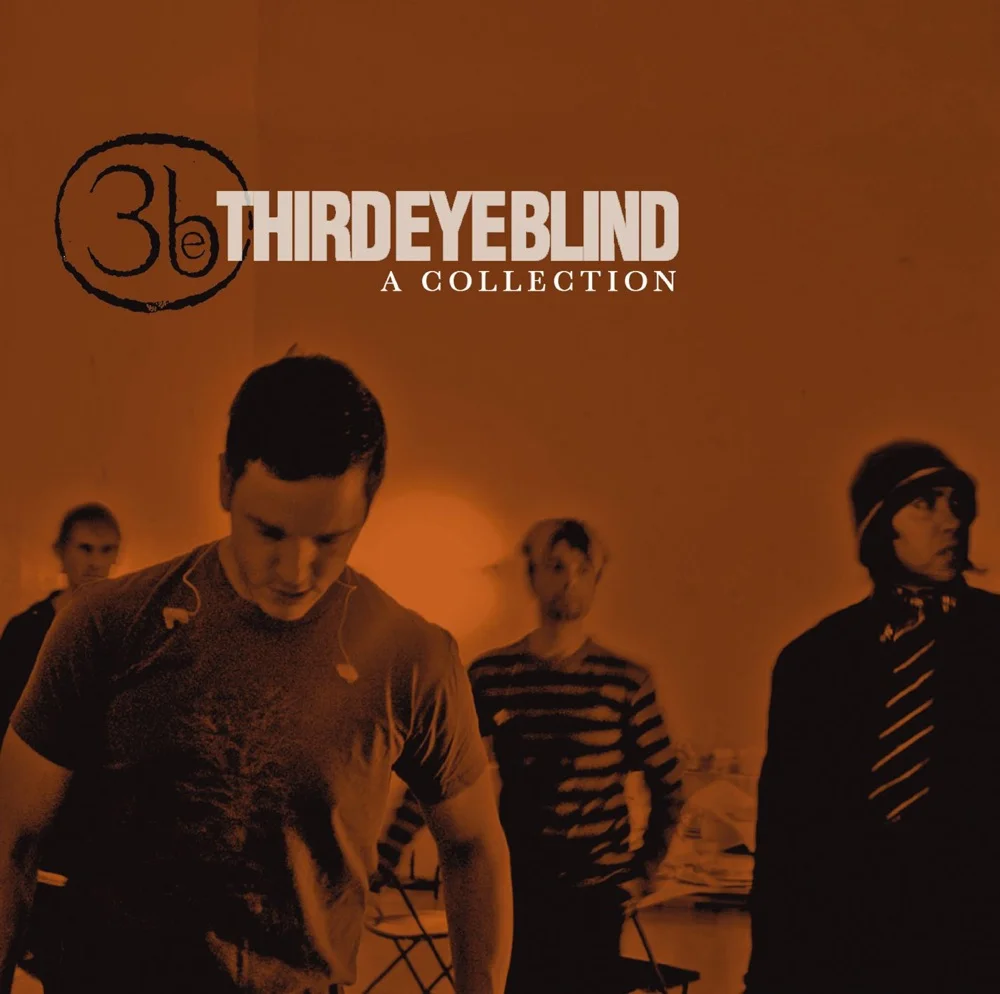
The 90s Anthem of Regret
"How’s It Going to Be" is a quintessential post-grunge ballad. Released on Third Eye Blind’s self-titled 1997 debut, it showcases Stephan Jenkins' unique ability to blend conversational "speak-singing" with raw, belted emotion. The song structure relies heavily on dynamics—starting quiet and acoustic, and exploding into a distorted wall of sound.
To sing this well, you need to resist the urge to power through the beginning. The magic lies in the contrast. You must be vulnerable in the verses so that the aggression in the outro feels earned. Let's break down the technique.
AI Coach Tip: Watch Your Breathing
In the verses, Jenkins takes audible breaths that add to the emotional desperation. However, be careful not to run out of air. Use "catch breaths" between the short phrases like "I'm only pretty sure / That I can't take anymore."
Phase 1: The Intimate Verse (0:00 - 1:18)
The song begins in F Major with a slow tempo. The entry "I'm only pretty sure" sits low in the range (around F2-A2). This is comfortable for Baritones but can be tricky for Tenors who lose power down low.
The Technique: Do not try to project here. Keep your larynx neutral and allow a slightly "breathy" tone. Imagine you are speaking the lyrics to someone in the same room. The pitch accuracy is less important here than the rhythmic flow and diction.
Phase 2: The Pre-Chorus Build (1:18 - 1:45)
As the electric guitar swells, your voice must follow. On the lines "Soft dive of oblivion," you need to transition from that breathy tone to a cleaner chest voice.
- Resonance: Shift the vibration from your throat to your hard palate (forward placement).
- Compression: Squeeze your vocal cords together slightly more to remove the breathiness. This prepares you for the chorus.
Phase 3: The Outro Belt (3:20 - End)
This is the climax of the song. The instrumentation is full volume, and Jenkins is belting "Want to get myself back in again!" The notes hit G4 and A4 repeatedly.
To hit these high chest notes without strain, engage your core (diaphragm). Do not lift your chin or strain your neck muscles. Use a "cry" vocal quality—like a whimper turned into a shout—to thin out the chest voice and allow it to go higher without cracking.
Frequently Asked Questions
The highest sustained chest-voice note is an A4 in the outro. Jenkins also uses falsetto flourishes that may reach higher, but the power notes are centered around G4-A4.
It is excellent for beginners because the verses are very accessible. The main challenge is the endurance required for the end of the song. Singing Coach AI can help you pace yourself.
Jenkins uses natural vocal fry and emotional compression. Be careful not to just "grind" your throat, as this causes damage. Focus on projecting a clean note first, then adding texture.