
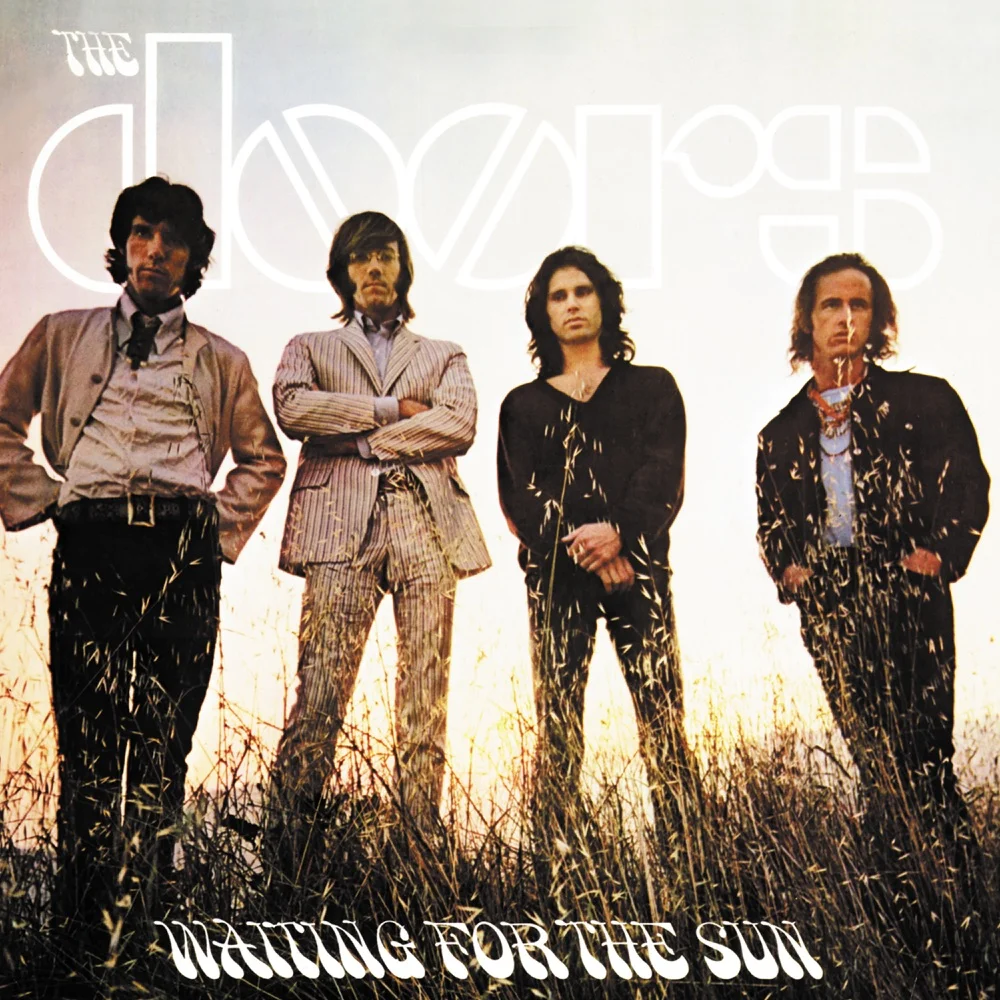
Mastering the "Lizard King" Cool
"Hello, I Love You" is a quintessential psychedelic rock track from The Doors' 1968 album Waiting for the Sun. Unlike the bluesy wails found in other Doors songs, this track relies on a tight, dry, and rhythmic delivery. It demands confidence and projection more than wide vocal acrobatics.
To sing this like Jim Morrison, you need to channel a relaxed but authoritative baritone sound. The song stays mostly in A Major, relying on a driving rhythm that mimics the pounding beat. Let's break down how to capture that specific "Doors" sound without straining your voice.
AI Coach Tip: Watch Your Diction
Because the instrumentation is fuzzy and distorted, your vocals need to be crisp. Our analysis shows users often slur the word "won't" in "won't you tell me your name." Keep your consonants sharp.
Phase 1: The Verses (0:00 - 0:48)
The song opens with a distinctive, staccato delivery. The line "Hello, I love you, won't you tell me your name?" is almost spoken rather than sung, but it carries a specific pitch center around A2/C#3. This is classic "crooner" territory.
The Trap: Many singers try to make this sound too melodic or "pretty." The goal is a flat, cool detachment. Keep your larynx neutral and focus on chest resonance to get that warm, dark tone.
Phase 2: The Chorus (0:48 - 1:05)
When the line repeats "Hello, I love you, let me jump in your game," the energy lifts. Here, you need to increase your volume and projection. It isn't a scream, but a confident declaration.
Ensure you are breathing from your diaphragm. The phrasing is relatively fast, so take quick "sips" of air between the lines to maintain the driving momentum of the song.
Phase 3: The Bridge (1:20 - 1:45)
The atmosphere shifts for the lines "Sidewalk crouches at her feet..." This is the most psychedelic section of the song. The vocal delivery becomes smoother and more legato compared to the choppy verses.
Visualize the lyrics as you sing them. Morrison was a poet first and a singer second; selling the imagery of the "statue" and the "blind" is key to a high score in the Expression category of the app.
Frequently Asked Questions
The song stays relatively contained, with the highest sustained chest notes hitting around F#4. It is very accessible for baritones and lower tenors.
The song is often compared to The Kinks' "All Day and All of the Night" due to the similar riff structure. Vocally, however, Morrison adds a distinct American psychedelic flavor.
Relax your jaw and aim for a "yawning" sensation in the back of your throat while keeping the sound placed forward in your mouth. This creates depth without swallowing the sound.