
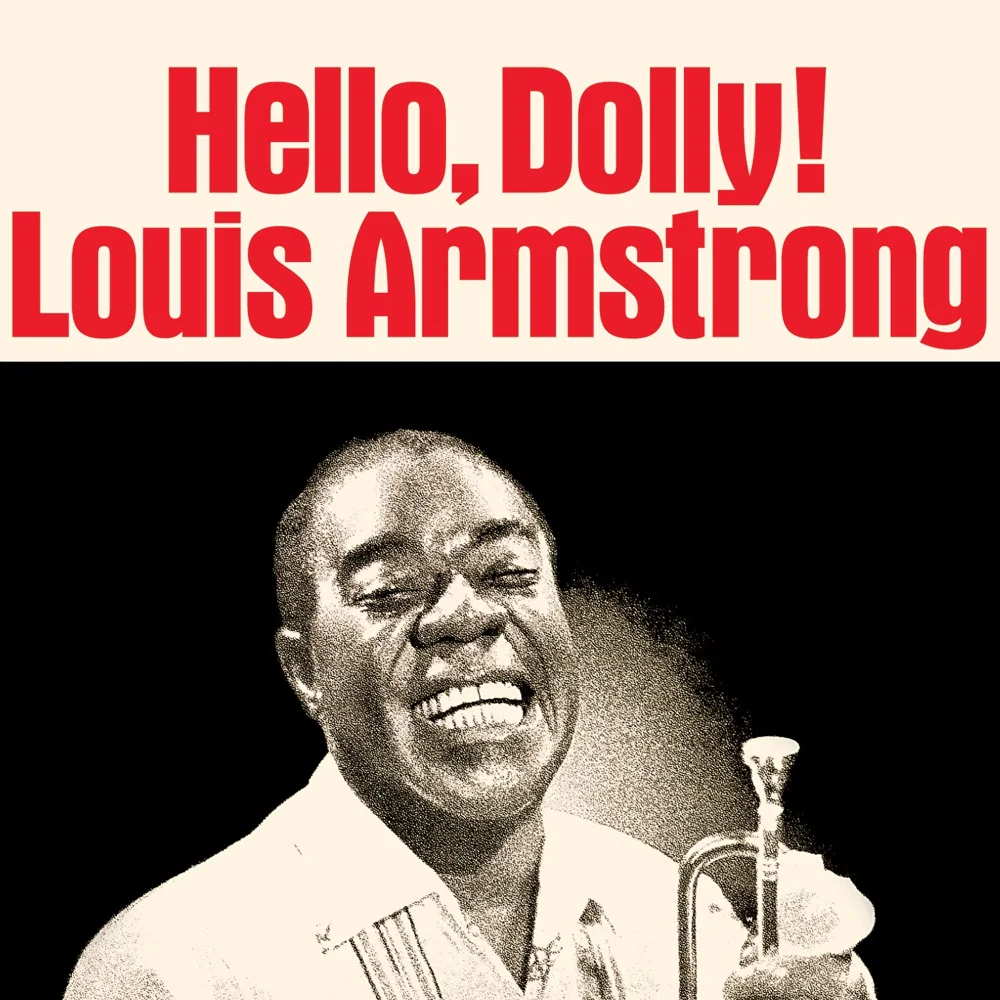
The Art of Charisma and Gravel
In 1964, Louis Armstrong knocked The Beatles off the top of the charts with this show tune, creating one of the most beloved pop-jazz vocal performances in history. Unlike power ballads that require massive breath support for high notes, "Hello, Dolly!" is a masterclass in phrasing, timing, and vocal texture.
Singing this song isn't about perfect pitch in the classical sense; it's about "selling" the lyric. Armstrong treats his voice like his trumpet, often singing slightly behind the beat (back-phrasing) to create a relaxed, swinging feel. Let's break down how to capture that magic.
AI Coach Tip: Watch Your Phrasing
Many singers rush the delivery. Our analysis shows that users score higher when they wait milliseconds longer than they think they should before starting a phrase. Stay in the "pocket."
Phase 1: The Entrance (0:00 - 0:45)
The song starts with a banjo intro setting the Bb Major key. When you enter with "Hello, Dolly," keep the volume moderate. The range here is very comfortable for Baritones (around D3).
The Trap: Don't try to force a fake growl immediately. Armstrong's gravel was natural. Instead, focus on a bright, forward "smile" in your tone. Pronounce "Dolly" and "golly" with a wide mouth shape to brighten the resonance.
Phase 2: The Swing & Improvisation (0:45 - 1:40)
As the band kicks in, the energy lifts. This is where you need to showcase your rhythmic precision. The lyrics "I feel the room swayin'" should actually feel like they are swaying.
- Diction: Armstrong often softened his consonants. "Looking" becomes "Lookin'", giving it a casual flair.
- The Growl: If you want to add rasp, do it safely. Engage your false vocal folds gently (like clearing your throat lightly) rather than grinding your true vocal cords together.
Phase 3: The Big Finish (1:40 - End)
The song modulates and builds to a climax. The repetition of "Dolly'll never go away" is the test of your breath control. You need to maintain the energy without shouting.
The final note usually involves a slide or a stylized drop-off. Keep your chest high and your diaphragm engaged to support the tone right until the cut-off.
Frequently Asked Questions
The highest melody note is a D4. It sits squarely in the chest voice for most male singers, making it very accessible.
Do not squeeze your throat. The "Armstrong Sound" comes from false-fold distortion. If you feel pain or ticking, stop immediately. Focus on his phrasing and charisma instead of mimicking the exact gravel.
Yes, but it might feel quite low. Tenors can use the Singing Coach AI app to transpose the track up +2 or +3 semitones to make it shine in their range.