
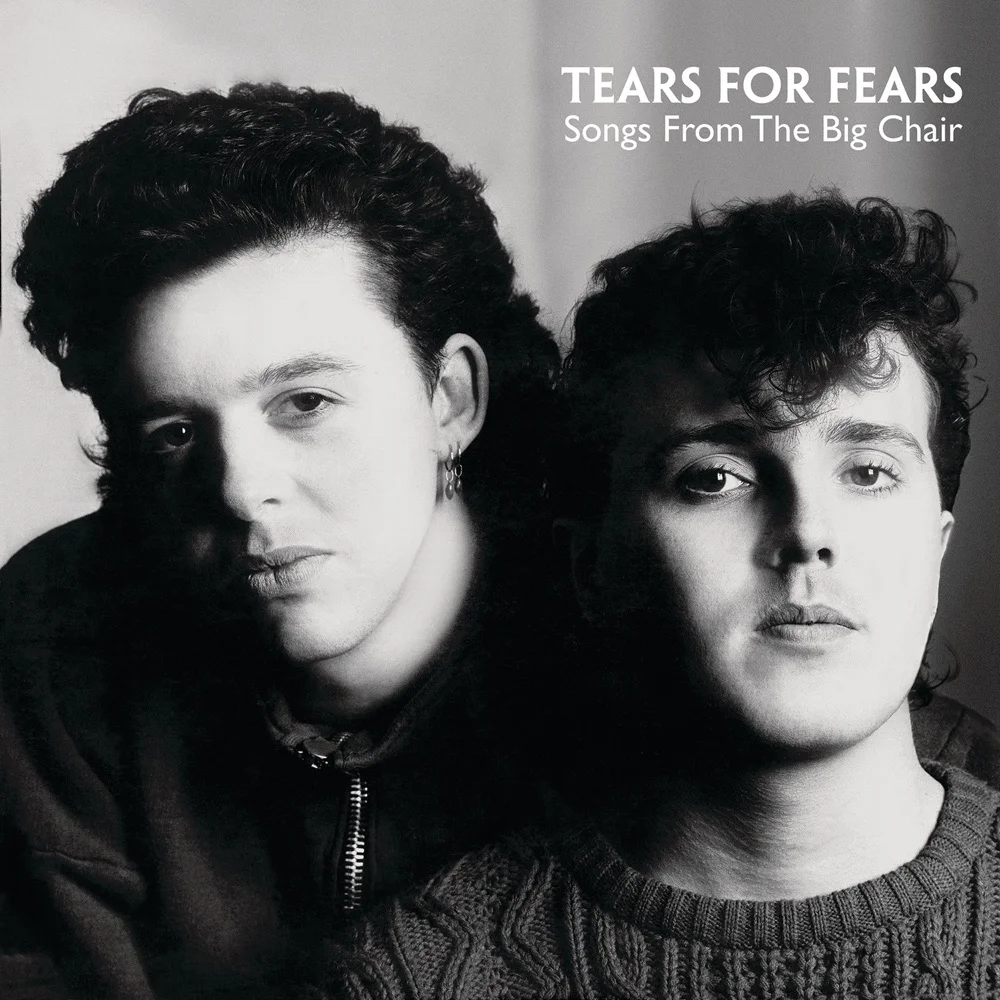
Mastering the New Wave Anthem
Released on the legendary album Songs from the Big Chair, "Head Over Heels" is a masterclass in vocal dynamics. Roland Orzabal delivers a performance that shifts seamlessly from a warm, conversational low register to powerful, soaring choruses. Unlike other rock tracks that rely on grit, this song demands clean tone and precise melodic control.
To sing this well, you need to channel a "crooner" vibe in the verses while maintaining enough stamina to power through the anthemic ending. Let's break down the technique.
AI Coach Tip: Watch Your Phrasing
The verses are wordy ("I wanted to be with you alone..."). Singers often rush ahead of the beat. Use the Singing Coach AI visualizer to lock in your timing and ensure you aren't clipping the ends of your phrases.
Phase 1: The Verses (Low & Warm)
The song sits in C Major, and the verses explore the lower end of the staff (around G2-C3). This is the "storytelling" zone. You want a relaxed larynx and plenty of chest resonance.
The Trap: Because the notes are low, singers often lose energy, making the vocals sound muddy. Keep your soft palate lifted and articulate the consonants clearly to cut through the synth textures.
Phase 2: The Chorus Lift
When the line "Something happens and I'm head over heels" arrives, the melody jumps up. You need to transition from that warm chest voice into a brighter, forward-placed mix.
- "Head Over Heels": This phrase requires a confident attack. Do not slide up to the note; hit it dead center.
- "Don't take my heart": Keep the vowels narrow here to help reach the higher pitch without straining your throat.
- Dynamics: The chorus should be significantly louder than the verse, but avoid shouting. Think "projection," not "yelling."
Phase 3: The Outro (The Melodic Descent)
The iconic "La, la, la, la..." outro is deceptively difficult. It's a descending scale that requires excellent breath support. As you descend in pitch, there is a tendency to go flat. Keep the energy high even as the notes get lower to maintain perfect intonation.
Frequently Asked Questions
The main melody hits a G4, but Roland hits an A4 in the ad-libs during the final sections. It is a very accessible range for most tenors and baritones.
Yes! This is one of the best 80s pop songs for baritones because the verses sit low and rich, allowing you to show off the warm qualities of your voice before belting the chorus.
The verses have long lyrical runs. Practice "snatch breathing"—taking quick, silent breaths through your mouth at punctuation points without disrupting the rhythm.