
The Ultimate Soul Vocal Workout
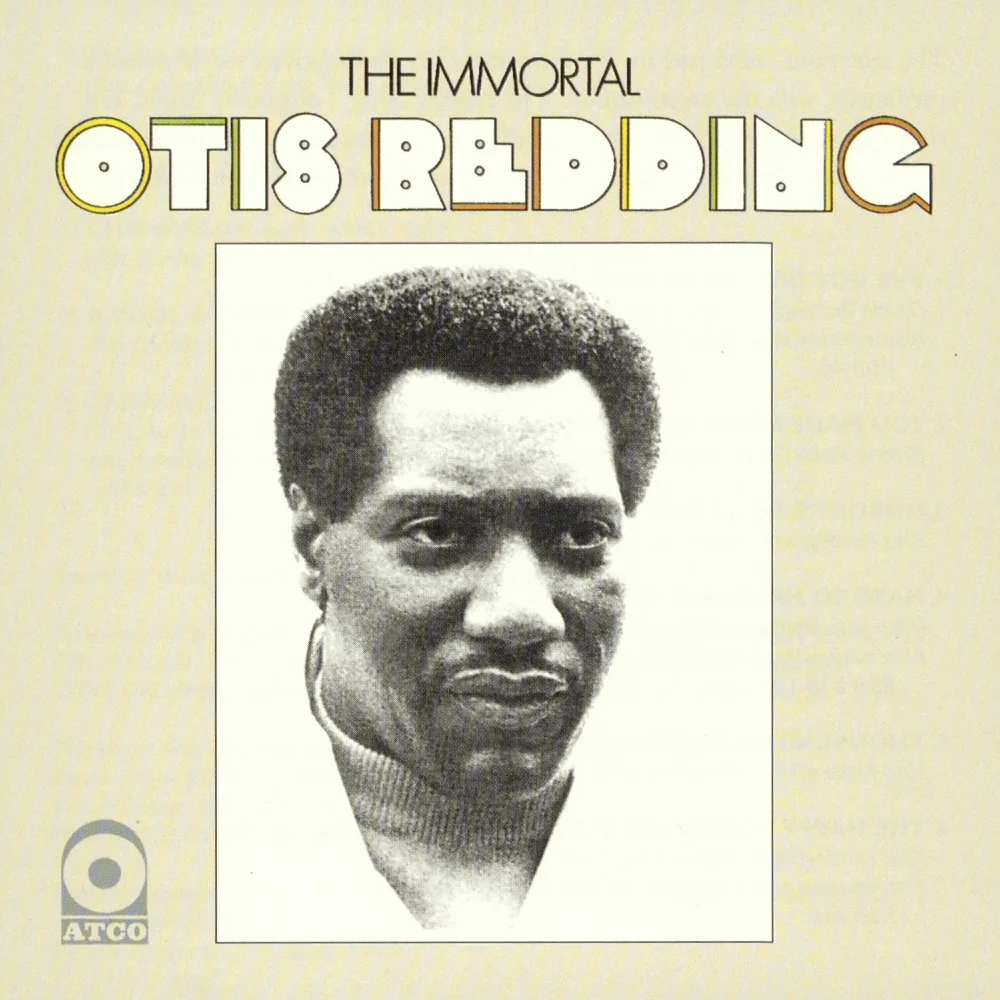
"Hard to Handle" is a powerhouse track recorded by Otis Redding shortly before his untimely death, and released posthumously on The Immortal Otis Redding in 1968. Unlike the smooth ballads he is famous for, this song is a funk-soul driver that requires aggression, impeccable rhythm, and a confident "bark" to the vocals.
To sing this authentically, you need to channel the "Stax Sound." It’s less about perfect pitch and more about percussion. Your voice acts as a rhythm instrument, locking in with the drums and brass section.
AI Coach Tip: Watch Your Diction
The phrase "Action speaks louder than words" is often rushed. Our analysis shows that users who articulate the "k" in "speaks" and the "d" in "words" score 15% higher on timing accuracy. Keep it crisp!
Phase 1: The Rhythmic Verses
The verses are fast and syncopated. You are singing in a range of roughly B2 to E4 here. The difficulty isn't the height of the notes, but the speed.
The Trap: Many singers drag behind the beat on "pretty little thing, let me light your candle." Otis sings this right on the front of the beat. Use a metronome or the Singing Coach AI visualizer to ensure you aren't lagging.
Phase 2: The Grit & "Bark"
Otis Redding didn't just sing; he projected emotion with grit. When he sings "I'm hard to handle now," there is a natural distortion in his voice.
- Safe Distortion: Do not just scream. Engage your diaphragm and compress the air slightly to get that rasp without hurting your vocal cords.
- The Ad-libs: The "Hey, hey, hey" sections require a sharp attack (glottal onset). Treat them like trumpet blasts.
Phase 3: The Climax
Towards the end of the song, the energy builds. You will need to sustain notes in the G#4 range. This is a high belt for most male voices.
Keep your vowel sounds narrow. Instead of a wide "Ah" on "handle," think of a narrower "Uh" or "Eh" sound. This modifies the resonance, making it easier to hit the high notes with power rather than strain.
Frequently Asked Questions
Otis belts up to a G#4 in full chest voice during the ad-libs and high energy sections. It requires significant breath support.
Authentic soul rasp comes from "false cord" engagement. In the app, try the "Grit Monitor" to ensure you are adding texture without damaging your true vocal cords.
Yes! Otis himself had a rich baritone quality to his lower range. The high notes are challenging but achievable with a strong mixed voice technique.