The Ultimate "No Worries" Anthem
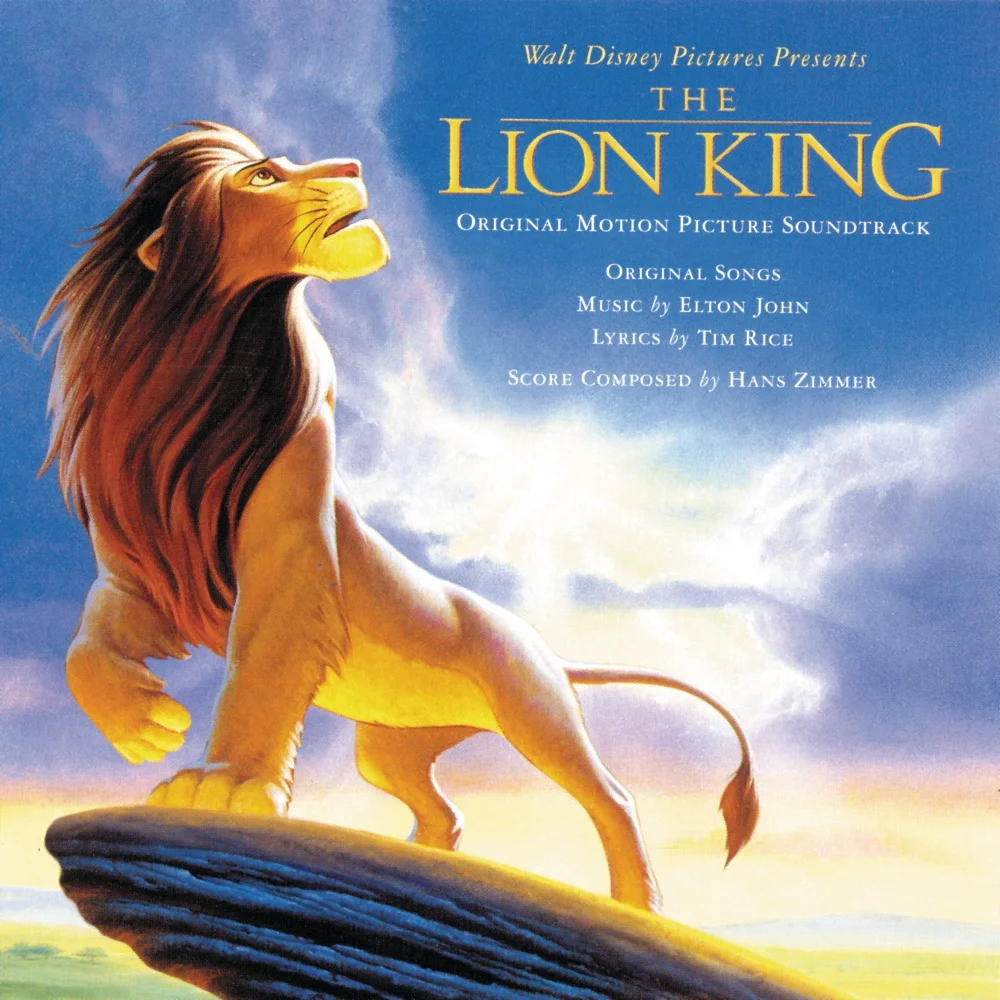
Hakuna Matata isn't just a catchy phrase; it's a masterclass in character singing. Performed by Nathan Lane (Timon) and Ernie Sabella (Pumbaa) for Disney's 1994 classic The Lion King, this song requires you to put aside technical perfection in favor of personality and storytelling.
To score well on this track, you need to differentiate between the two characters. Timon requires a brighter, nasally placement, while Pumbaa demands a warm, resonant, and operatic chest voice. Let's break down exactly how to tackle the jungle rhythms.
AI Coach Tip: Watch Your Diction
Because the song is conversational, many singers get lazy with articulation. Our analysis shows that over-enunciating the consonants (especially on "Problem-free philosophy") significantly boosts your rhythm score.
Phase 1: The Spoken Groove (0:00 - 1:15)
The song begins in F Major with a laid-back, reggae-influenced groove. The challenge here is the "Sprechstimme" (spoken-singing) style. You aren't just hitting notes; you are having a conversation.
The Trap: Don't sing the verses too "prettily." If you use a pop ballad tone, the AI will flag it as a style mismatch. Keep it punchy, short, and comedic.
Phase 2: The Backstory (1:16 - 2:00)
This is Pumbaa's time to shine. The music shifts to a mock-dramatic style as he recounts his youth. This section contains the most technically demanding note in the song.
- "When I was a young warthog!": This line requires a sudden shift to a mock-operatic belt. Open your mouth vertically (drop your jaw) to get that booming sound.
- The "Shame" section: Bring the volume down. This part is all about acting. Use a "crying" vocal affectation to sell the emotion.
Phase 3: The Harmony & Coda (2:00 - End)
As Simba joins in (originally sung by Jason Weaver), the song becomes a three-part harmony. The key to nailing this section is blending.
Timon typically takes the higher harmony while Pumbaa holds the bass. If you are singing the lead melody, ensure you stay centered on the pitch and don't drift into the harmony lines, which is a common mistake for users learning the track by ear.
Frequently Asked Questions
The vocal melody peaks around F4, making it very accessible for Tenors and Baritones. The difficulty lies in the character voices, not the range.
For the best score? Yes. The Singing Coach AI analyzes spectral data which includes tone color. Mimicking the nasal quality of Timon helps the AI recognize the style accuracy.
Yes. If the F Major key is too low for your voice (if you are a Soprano/Alto), use the app to transpose up +2 or +4 semitones for a comfortable fit.