
The Art of the Soft Rock Duet
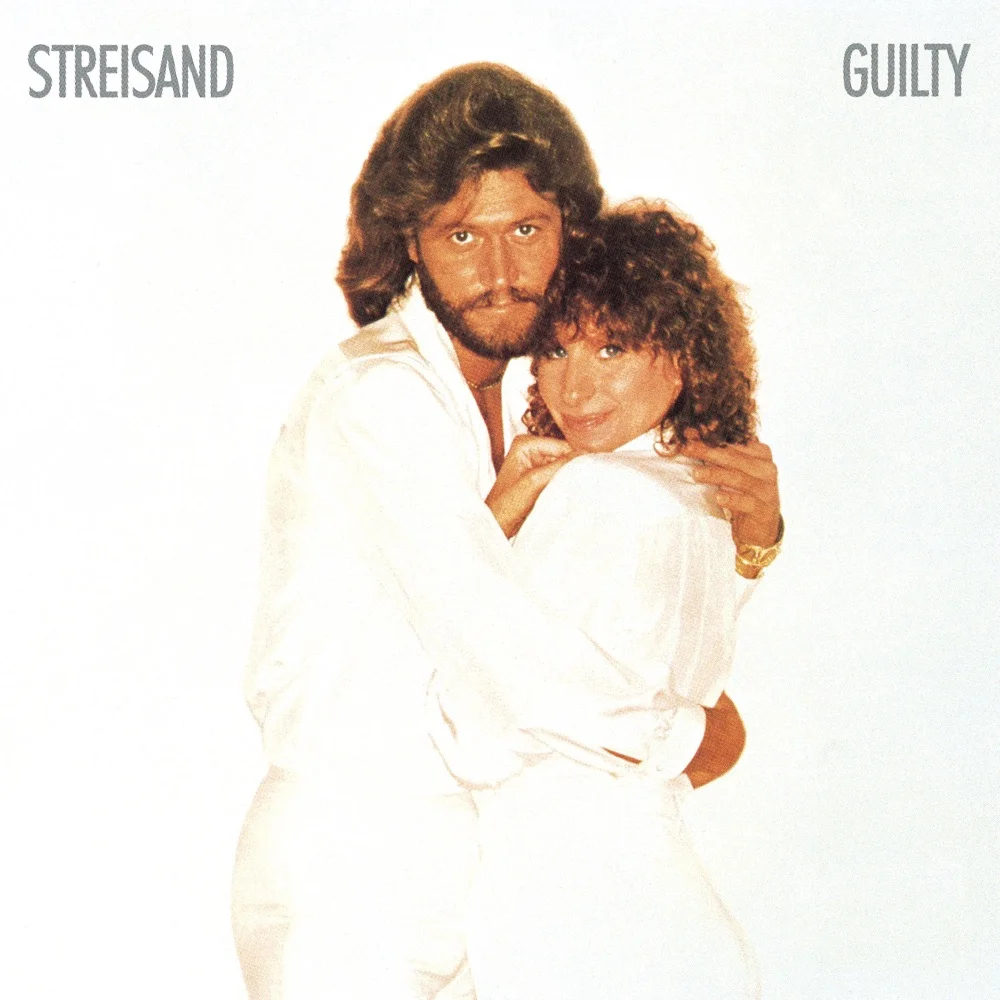
"Guilty" is one of the most iconic duets in pop history, winning a Grammy for Barbra Streisand and Barry Gibb. The magic of this song lies in the contrast: Streisand's clear, resonant chest/mix voice against Gibb's signature breathy falsetto. It requires a delicate touch; singing too aggressively will ruin the "breezy" vibe of the track.
Whether you are singing the lead melody or the harmony, the goal is blending. You aren't competing for volume; you are weaving two textures together.
AI Coach Tip: Volume Balance
If you are singing Barry's part, keep your falsetto light but supported. If you push too much air, you'll go sharp. For Barbra's part, resist the urge to belt fully—keep it in a smooth, conversational mix.
Phase 1: The Verses (Smooth & Conversational)
The verses set the mood. The rhythm is laid back, almost slightly behind the beat.
- Barbra's Entry: "Shadows falling, baby..." needs to be warm. Use a "chest mix" rather than a head voice to establish presence.
- Barry's Entry: "It's not that I don't want to stay..." This is classic Gibb. Use a high placement in the mask, but add breathiness to the tone.
Phase 2: The Chorus (The Harmony)
The chorus, "And we got nothing to be guilty of," is where the magic happens. The harmonies move in thirds.
The Challenge: The phrasing is syncopated. You need to lock in with the groove. If you are singing harmony, listen closely to the lead vocal and match their vowel shapes. If the lead singer sings "of" with a rounded mouth, you must do the same, or the chord won't ring true.
Phase 3: The Bridge & Ad-libs
As the song progresses, the vocal lines become more intertwined. Barry Gibb often slides up into notes (portamento), while Streisand holds steady, long notes.
Pay attention to the dynamics in the bridge. The song builds slightly but never explodes into a rock anthem. It stays contained, cool, and sophisticated. The final ad-libs require agility—switching quickly between chest voice and head voice without a noticeable "break."
Frequently Asked Questions
Not with Singing Coach AI. You can select "Solo Mode" and choose to sing either Barbra's or Barry's part. The AI will fill in the missing vocal partner so you can practice the harmonies.
Barry Gibb sings primarily in a Tenor Falsetto. It sits quite high for a male voice but doesn't require the chest power of a typical tenor high C. It requires head-voice dominance.
Relax your jaw and tongue. "Guilty" is a soft song; tension is your enemy. Think of the high notes as "floating" rather than "hitting" them.