
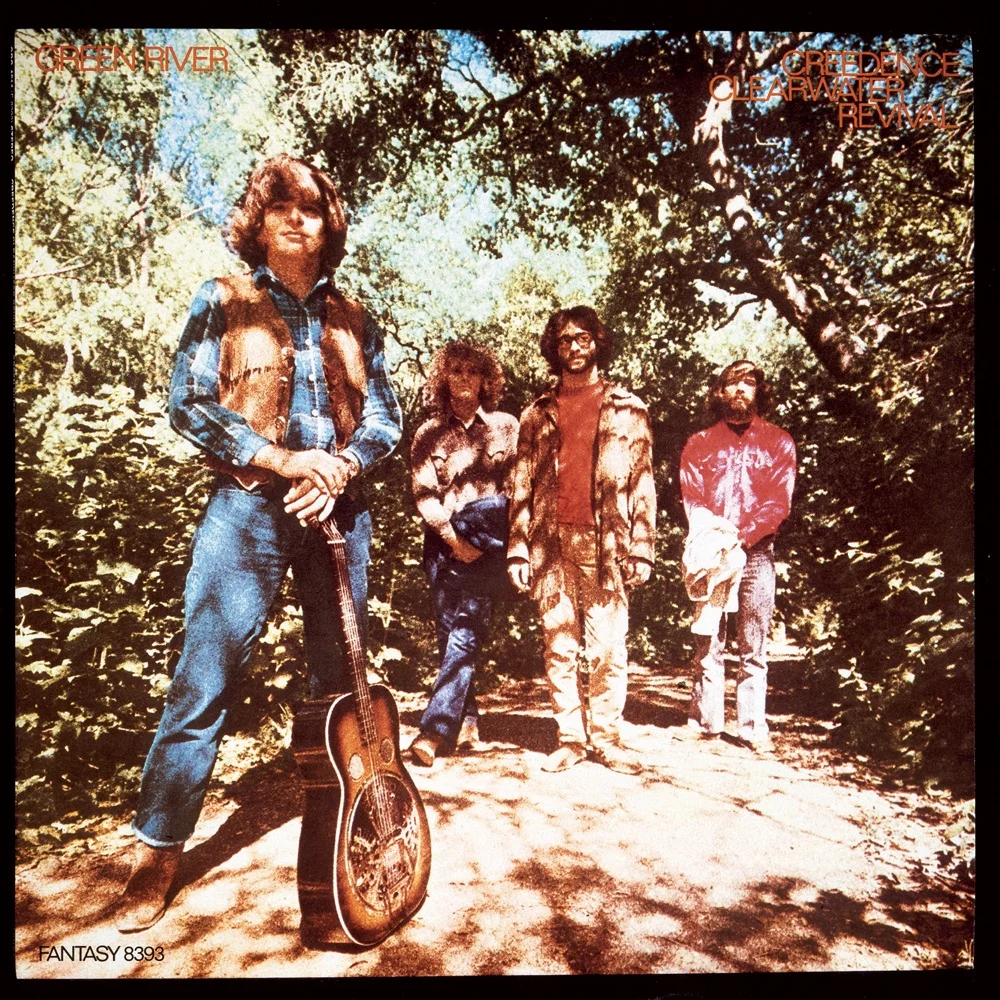
The Quintessential Swamp Rock Anthem
Green River (1969) is the definitive sound of Creedence Clearwater Revival. John Fogerty wrote the song about a childhood vacation spot at Putah Creek in California, but the sound is pure Louisiana bayou. It's not about complex melodies; it's about texture, rhythm, and a specific vocal "slapback" attitude.
Singing this song isn't just about hitting the notes in E Major. It's about maintaining a high-energy chest resonance while keeping the delivery loose and conversational. Let's break down the technique.
AI Coach Tip: Finding the "Twang"
Fogerty's voice cuts through the guitar distortion because of his "twang." Try mimicking a witch's cackle or a duck quack to narrow your epiglottic funnel. This adds brightness to your voice safely, giving you that grit without shouting.
Phase 1: The Verses (0:22 - 0:50)
The opening line, "Well, take me back down where cool water flows," sits comfortably in the middle range (E3-E4). However, notice how Fogerty slides into notes rather than hitting them cleanly.
The Trap: Many singers try to sing this too "prettily." You need to shorten your vowels and emphasize the consonants. Think of it more as rhythmic storytelling than a ballad.
Phase 2: The Chorus Hook
The titular line "Green River" is sung with a distinct descending slide. It requires breath support to maintain the tone as you slide down in pitch. Don't let your voice fry out completely at the end; keep the core tone engaged.
Phase 3: The High Belt (1:13 - 1:25)
The energy spikes at the bridge: "Up at Cody's camp I spent my days..." Here, Fogerty pushes his chest voice higher, hitting notes around C#5. This is a belt.
- Volume: Do not just yell. Increase your abdominal support.
- Placement: Keep the sound buzzing in the front of your face (the "mask"). If you feel it in your throat, stop and reset.
- Distortion: The grit here should come from air pressure, not squeezing your vocal cords together.
Frequently Asked Questions
John Fogerty belts up to a C#5 in the bridge sections ("Cody Junior"). The song is generally sung in a high tenor range.
Not naturally, but the style demands some grit. You can simulate this safely using "vocal fry" mixed with your singing tone, or by using the "twang" technique described above.
Rhythmically, it is straightforward. The difficulty lies in the tone. Maintaining that high-energy, gritty rock sound for 2 minutes without fatiguing your voice is the real challenge.