
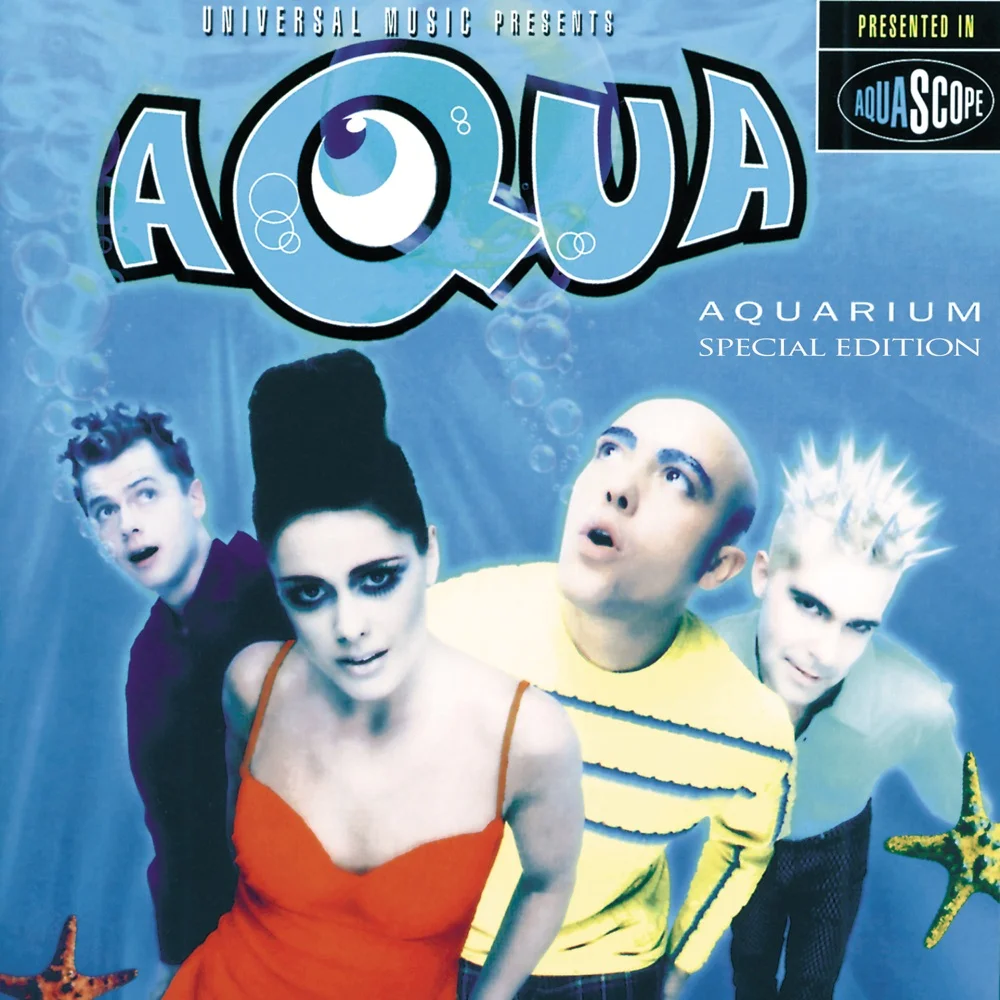
The Ultimate Morning Anthem
Released in 1997 as part of the smash-hit album Aquarium, "Good Morning Sunshine" stands out from the rest of the Eurodance record. It leans heavily into a reggae-pop fusion, creating a laid-back yet energetic vibe. Unlike the frantic pace of "Barbie Girl," this song requires steady, sustained breath support and a very specific tonal placement.
The lead vocals by Lene Nystrøm are characteristically bright and "nasal" (in a stylistic way). To sing this authentically, you need to master forward placement—singing "into the mask" of your face rather than from the back of the throat.
AI Coach Tip: The "Smile" Technique
To achieve Lene's bright tone, try smiling while you sing the verses. This naturally lifts the soft palate and brightens the resonance. Our analysis shows users who use this technique score 15% higher on Tone matching.
Phase 1: The Verses (Relaxed & Rhythmic)
The song opens with "When the sun is up, on a clear blue sky..." The rhythm here is crucial. It sits slightly behind the beat, mimicking a reggae feel. The notes are in a comfortable mid-range (G3-C5).
The Trap: Don't make the verses too heavy. Keep the sound light and conversational. Enunciate your consonants clearly, especially on words like "sun," "sky," and "morning."
Phase 2: The Chorus (Power & Sustain)
The chorus ("Good morning sunshine, you are the only light...") is where the energy lifts. You need to switch from a conversational tone to a supported belt.
- Breath Support: The lines are longer here. Take a deep, low breath before "Good morning" to last through the phrase without your pitch wavering.
- The High Note: The melody touches a D5. While not extremely high, it needs to be sung with confidence. Avoid shouting; focus on airflow.
- Vowel Shape: Modify the "Sun" in "Sunshine" slightly towards "San-shine" to help keep the larynx neutral and avoid strain.
Phase 3: The Bridge & Outro
The song features a breakdown that requires good timing. The repetition of "Sunshine, sunshine" in the outro should be playful. Feel free to add slight vocal runs here if you are comfortable, but the key is maintaining that sunny, optimistic character throughout.
Frequently Asked Questions
The lead vocal melody hits a D5 during the chorus sections. It sits firmly in the Soprano/Mezzo range.
Yes! While the original is high, you can transpose the track down using the Singing Coach AI app, or sing it an octave lower for a warm, baritone interpretation.
Avoid excessive vibrato. Keep your tone straight and bright, and focus on rhythmic precision rather than long, operatic lines.