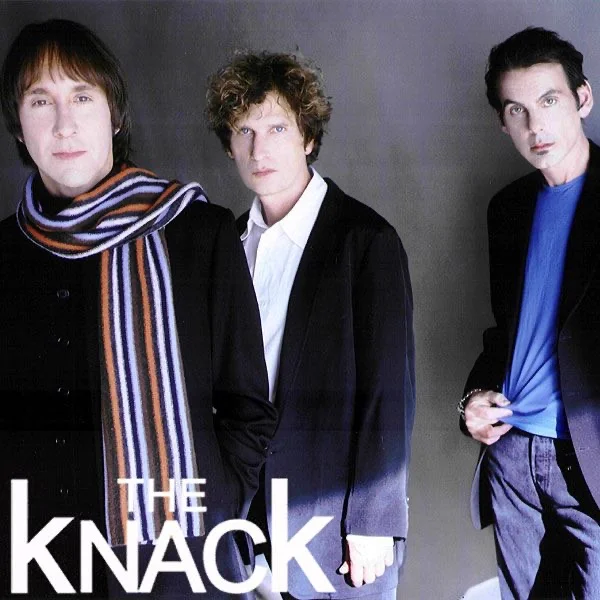
The Blueprint of Power Pop Vocals
Released in 1979 on the album Get The Knack, "Good Girls Don't" is a quintessential example of the power pop genre. While often overshadowed by "My Sharona," vocalists argue that this track requires more finesse. It blends the harmonic sensibilities of The Beatles with the driving energy of New Wave.
To sing this well, you need attitude. The key is maintaining a "bright" resonance without sounding thin. Doug Fieger's vocal delivery is conversational yet punchy, requiring excellent breath support to keep up with the tempo.
AI Coach Tip: Watch the "Hiccup"
Fieger often uses a "vocal hiccup" style (similar to Buddy Holly) at the end of phrases to add percussive flair. Our AI detects if you are cutting off the notes too abruptly or letting them drag. Aim for a sharp, staccato release.
Phase 1: The Verses (0:00 - 0:50)
The song starts with a driving rhythm. The verses ("I've been a bad boy...") sit in a comfortable mid-range for most male voices. The challenge here is diction.
The Trap: Because the lyrics are conversational, singers tend to mumble. You must articulate consonants clearly, especially the 't's and 'd's, to cut through the mix. Keep your placement forward, right behind your teeth.
Phase 2: The Chorus Hook (0:50 - 1:15)
The energy lifts significantly here. The line "And she'll be telling you..." climbs in pitch and intensity. This is where you switch from a speaking tone to a calling tone.
- Resonance: Avoid a dark, "chesty" operatic sound. Think "nasal" but not "whiny." This brightness fits the genre perfectly.
- Harmony: If you are singing with the backing track, listen for the tight harmonies. The melody note stays relatively grounded, so don't overshoot the pitch.
Phase 3: The Bridge & Harmonica Break
After the harmonica solo, the song returns with renewed vigor. The repetition of "She'll be telling you" requires stamina. Do not push too much air from your diaphragm, or you will fatigue before the final chord.
Focus on "twang"—narrowing the vocal tract slightly to increase volume without increasing effort. This is the secret weapon of power pop singers.
Frequently Asked Questions
The lead vocal hits a sustained F#4 during the chorus belts. It sits right in the passaggio for many baritones, making it a great workout track.
The Singing Coach AI app focuses on the lead vocal line by default, but you can toggle "Harmony Mode" to practice the upper thirds prevalent in the chorus.
It's all about "forward placement." Imagine you are aiming your sound at the bridge of your nose. Keep the vibrato minimal and straight for an authentic rock sound.