
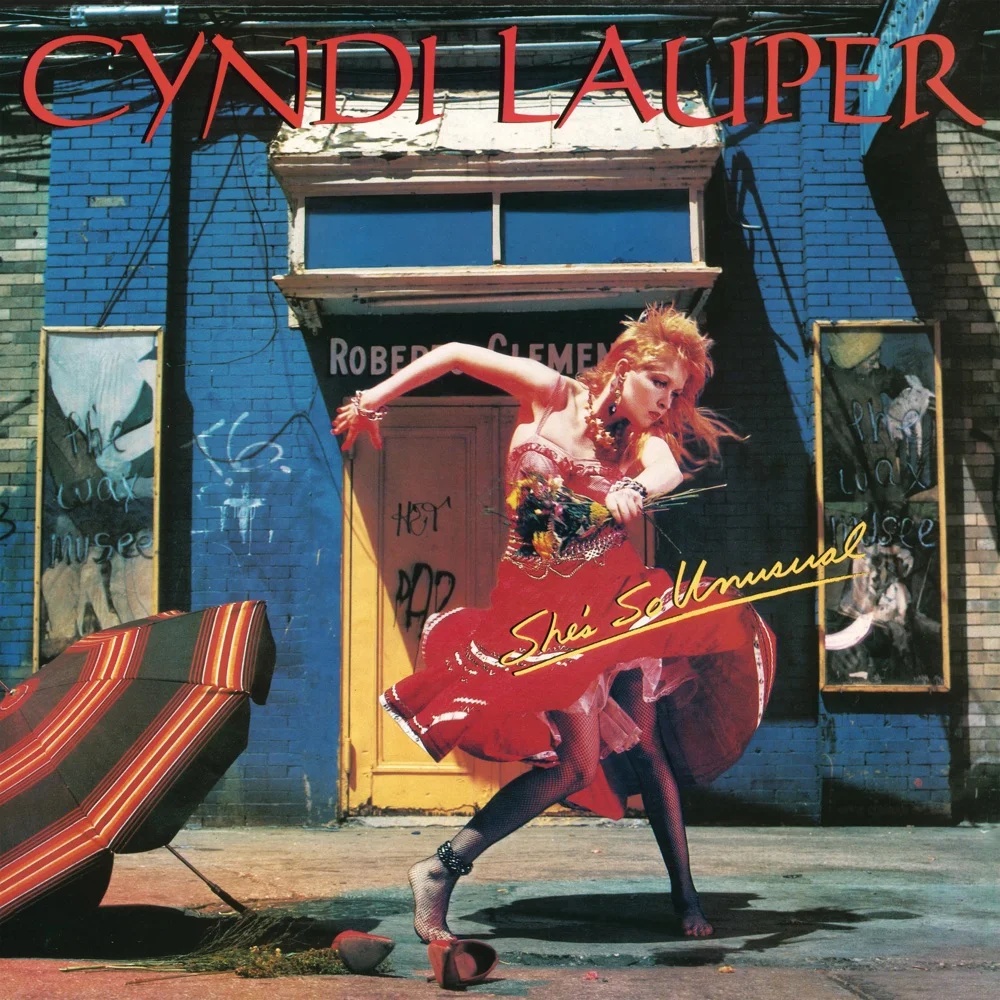
The Ultimate 80s Pop Anthem
Cyndi Lauper's debut smash hit Girls Just Want to Have Fun is more than just a party song—it's a masterclass in vocal agility and brightness. Released in 1983 on the album She's So Unusual, the track demands a vocalist who can maintain high energy without sounding shrill or fatigued.
To sing this well, you need to master the art of the "mix voice" and adopt a specific stylistic placement. Lauper’s voice is famous for its quirky, hiccup-like inflections and bright resonance. Let's break down exactly how to tackle it.
AI Coach Tip: The "Bright Smile" Technique
Many singers sound too "dark" or heavy on this track. To match Cyndi's tone, lift your cheeks and smile slightly while singing. This shortens the vocal tract and naturally brightens your sound without straining your throat.
Phase 1: The Verses (C#4 - B4)
The verses are conversational but bouncy. The melody tends to "walk" up and down quickly. The challenge here is rhythm and diction.
The Trap: It's easy to get lazy with the rhythm. The line "The phone rings in the middle of the night" needs to be snappy. Avoid dragging the notes; keep them staccato and playful.
Phase 2: The Chorus (E5 Peak)
Here is where the song explodes. The line "Oh, girls just want to have fun" sits high in the chest/mix register. You will need to sustain energy on the F#4 and B4, often sliding up.
- The "Hiccup": Cyndi often uses a glottal stop or a quick flip into head voice at the end of phrases. This is a stylistic choice that adds character.
- Placement: Keep the sound very forward, right behind your teeth (the "mask").
Phase 3: The Ad-Libs and Ending
As the song progresses, Lauper adds improvised riffs that run up and down the F# Major scale. This requires vocal flexibility. Do not push your full chest voice on the high ad-libs; instead, rely on a reinforced head voice or a light mix.
The key to the outro is having fun—literally. If you sound too technical or rigid, the song loses its magic. Loosen up your jaw and let the melody flow.
Frequently Asked Questions
The core melody hits an E5 during the ad-libs and harmonies. The main chorus belt sits comfortably around B4 and C#5.
Not necessarily. While the "bright" tone fits the genre, you can sing it with a fuller tone if you are a lower voice type. The most important part is the rhythmic bounce.
Yes! If the F# Major key is too high for your break, use the Singing Coach AI app to lower the backing track by -1 or -2 semitones to make it more comfortable.