
The Standard for Soulful Jazz
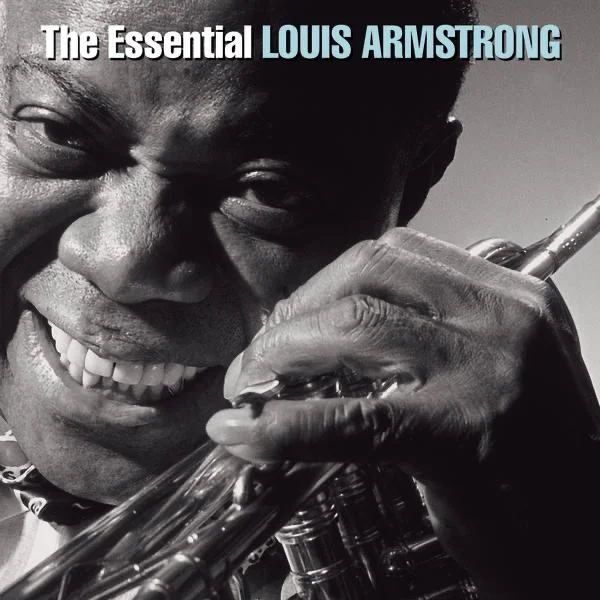
Georgia on My Mind is more than just a song about a state (or a woman); it is a masterclass in emotive singing. While written by Hoagy Carmichael, Louis Armstrong's rendition defines the jazz standard approach: gravelly texture, improvisation, and a relaxed "behind the beat" feel.
To sing this like "Satchmo," you must abandon the rigid timing of pop music. You need to tell a story with your tone. It's not about hitting high notes—it's about the character in your voice.
AI Coach Tip: The False Cord "Growl"
Louis Armstrong's signature rasp comes from engaging the false vocal cords. Do not squeeze your throat. Try clearing your throat gently to find the vibration, then add pitch. If it tickles or hurts, stop immediately.
Phase 1: The Verse (0:00 - 1:12)
The song opens in Eb major. The melody on "Georgia, Georgia" stays relatively flat, hovering around Bb2 and C3. This is your chance to establish resonance.
The Trap: Many singers try to force the "gravel" sound and end up sounding like they have a sore throat. Focus on a warm, open chest voice first. Add the texture only at the ends of phrases or for emphasis.
Phase 2: The Bridge (1:13 - 1:45)
The lyrics "Other arms reach out to me" introduce a shift in emotion. The melody climbs slightly higher here. You need to use legato—smooth, connected singing.
- Breath Control: The phrases in the bridge are long. Take a deep diaphragmatic breath before "Other arms..."
- Vowel Shape: Keep your vowels "tall" (drop your jaw). A wide mouth shape will thin out your tone, losing that rich Armstrong quality.
Phase 3: Jazz Phrasing & Rubato
The hardest part of this song isn't the notes; it's the timing. This technique is called Rubato. Armstrong rarely sings exactly on the metronome click. He delays the start of a word, dragging it slightly, then catches up.
The AI Coach app tracks your rhythmic deviation. For this song, being slightly "late" is actually good for your style score, provided you resolve the phrase on time.
Frequently Asked Questions
In the standard Armstrong key (Eb), the melody rarely exceeds E4. It is very accessible for Baritones and Basses.
Yes! While the original is low, the style translates to any key. Use the Singing Coach AI app to transpose the backing track +5 semitones for a comfortable Tenor/Soprano range.
Rasp often obscures pitch. Practice the song clean (no gravel) first to ensure you are hitting the center of the notes. Once the melody is secure, layer the texture back in.