
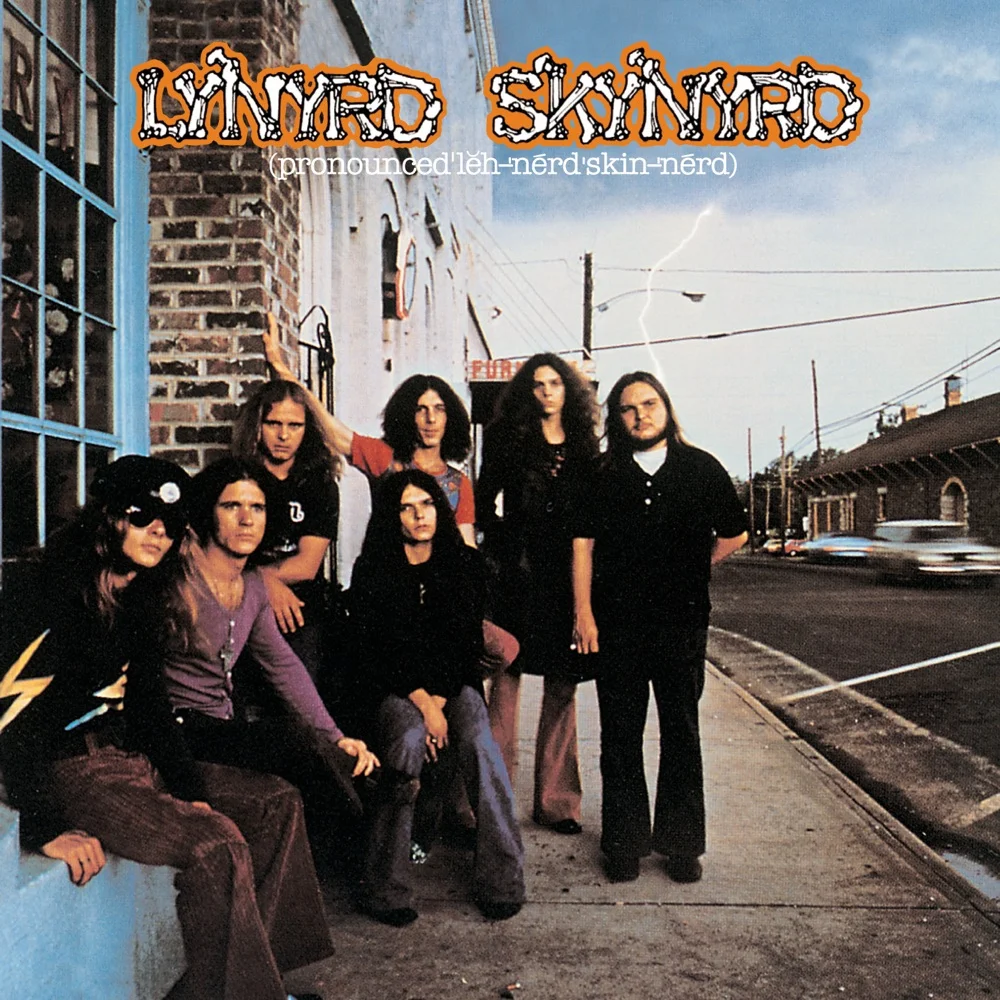
The Ultimate Southern Rock Anthem
Free Bird is more than just a song; it's a rite of passage for rock vocalists. Written by Allen Collins and Ronnie Van Zant, this track closes Lynyrd Skynyrd's 1973 debut album. It famously features a split structure: a soulful, melodic ballad for the first half, followed by a high-octane double-time rock jam.
To sing this well, you need patience and power. The ballad section requires a clean, emotive tone, while the finale demands significant vocal stamina to compete with the triple-guitar attack. Let's break down exactly how to tackle it, section by section.
AI Coach Tip: Control Your Volume
Do not push too hard in the first verse. Our analysis shows users who sing "If I leave here tomorrow" too loudly run out of stamina by the final chorus. Keep it conversational and intimate initially.
Phase 1: The Verses (0:00 - 3:00)
The song begins in G Major. The opening lines sit in a comfortable speaking range for Tenors and Baritones. The key here is the "Southern Drawl" phrasing. Van Zant often slides into notes from below, giving the vocal a relaxed, mournful quality.
The Trap: Avoid over-singing the word "change" in the chorus line "Lord knows I can't change." Keep the vowel shape open (think "ah" not "ay") to maintain resonance without pinching the throat.
Phase 2: The Chorus (3:00 - 4:40)
As the song builds, you need to introduce more chest resonance. The line "Cause I'm as free as a bird now" is the hook. It requires a confident, forward placement.
- Breath Support: The phrases get longer here. Ensure you are breathing deeply from the diaphragm before the line "And this bird you cannot change."
- Tone Color: Switch from the clean tone of the verse to a slightly "twangy" mix to cut through the organ and guitars.
Phase 3: The Rock Climax (4:40+)
The tempo doubles, and the energy spikes. Ronnie switches to a powerful belt. The repeated line "Won't you fly high free bird" hits a sustained C5 (or high B4 depending on live versions). This is the endurance test.
To survive this section, use vocal compression. Don't just shout; engage your core and focus the sound into the "mask" of your face. If you feel tickling in your throat, you are pushing too much air.
Frequently Asked Questions
The highest belted chest-voice note in the studio recording is around a C5 during the ad-libs in the rock section. The main melody tops out at a G4/A4.
Yes, but the end section is challenging. The verses are very comfortable for Baritones. You can use the Singing Coach AI app to transpose the track down -1 or -2 semitones to make the finale more manageable.
Focus on your vowels. Flatten them slightly and relax your jaw. Listening to the isolated vocal track in our app can help you mimic Ronnie Van Zant's unique phrasing.