
Mastering the 80s Clapton Groove
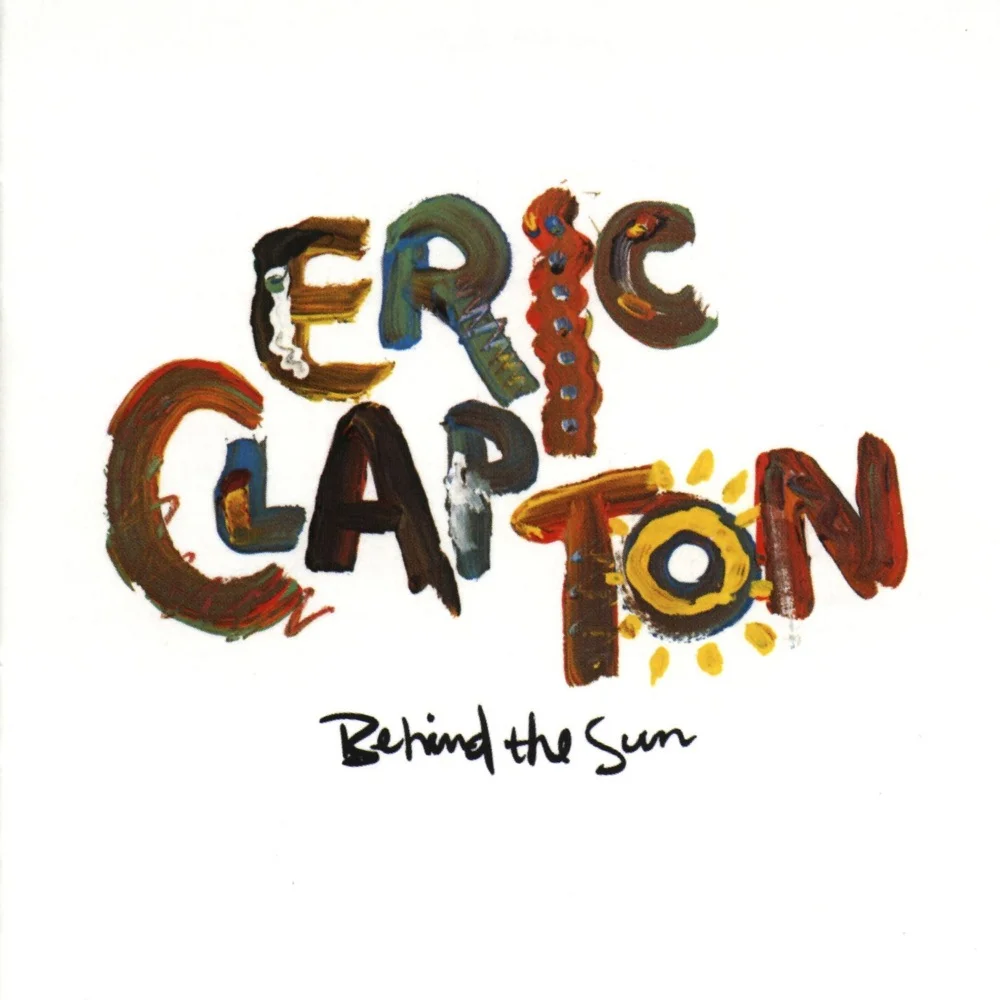
"Forever Man" is a standout track from Eric Clapton's 1985 album Behind the Sun. Written by Jerry Lynn Williams, this song marks a distinct shift in Clapton's style, moving from blues-purist roots to a driving, synth-led pop-rock sound. For a vocalist, the challenge lies in maintaining a conversational yet punchy tone against a relentless 4/4 beat.
While the range isn't operatic, the tessitura (the average range where the song sits) requires consistent chest resonance. You need to sound gritty but relaxed. Let's break down exactly how to tackle it, section by section.
AI Coach Tip: Don't Rush
The synth riff is very precise. Many singers tend to anticipate the beat, rushing the vocals. Focus on sitting "in the pocket"—singing slightly behind the beat to create that laid-back rock feel.
Phase 1: The Verses (A2 - D4)
The verses ("How many times must I tell you...") are sung in a rhythmic, almost spoken-word style. The notes are relatively low, sitting comfortably for baritones. The key here is articulation.
The Trap: Because the notes are low, singers often drop their breath support, leading to a "fry" sound that lacks projection. Keep your core engaged even on the low A2s to ensure the lyrics cut through the mix.
Phase 2: The Chorus (D4 - G4)
The energy lifts significantly here. The line "Try to be your forever man" jumps up in range. This requires a solid chest belt. You aren't mixing much head voice here; it's raw power.
- Vowel Modification: On the word "Man," widen your mouth slightly (closer to an "Ah" sound) to help reach the note without straining.
- Sustain: The final notes of the chorus phrases are held longer. Use vibrato only at the very end of the note for a polished finish.
Phase 3: Adding the Grit
Clapton's voice has a natural, bluesy rasp. To emulate this safely, you need to use "twang" and compression. Do not squeeze your throat muscles.
Think of the sound you make when lifting something heavy—that engaging of the core and diaphragm is what produces the distortion safely. If your throat tickles or hurts, you are doing it wrong. Stop and reset to a clean tone.
Frequently Asked Questions
The highest belted note is a G4, though ad-libs may touch A4. It's a prime range for Tenors and Baritones.
Yes, absolutely. The song might feel slightly low in the verses, but the chorus will be right in your sweet spot. You may want to add more "chest" weight to your voice to match the original style.
It's about the attack. Hit the consonants hard and don't be afraid to slide (scoop) up into notes occasionally, a technique common in blues-rock.