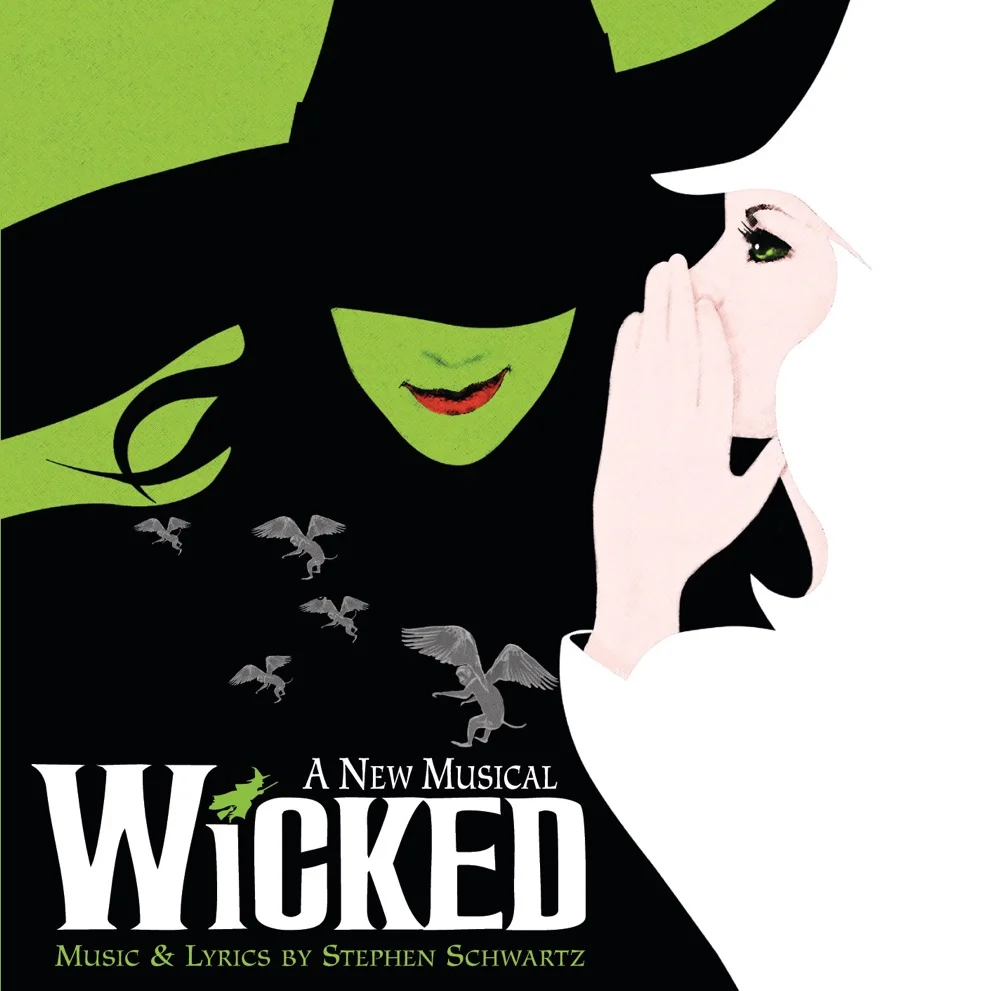
The Ultimate Friendship Duet
"For Good" is the emotional anchor of the musical Wicked. Unlike the powerhouse belting of "Defying Gravity," this song is about restraint, connection, and harmony. Written by Stephen Schwartz, it serves as the final farewell between Elphaba and Glinda.
The challenge here isn't just hitting notes; it's about tone color and "blending." Whether you are singing the Elphaba (lower/mezzo) or Glinda (higher/soprano) track, you must listen to your partner as much as you listen to yourself.
AI Coach Tip: Vowel Matching
When singing in unison on phrases like "Who can say if I've been changed," ensure your vowel shapes match exactly. If one singer uses a bright "Ah" and the other a dark "Aw," the blend will fail. Keep the soft palate raised.
Phase 1: The Conversational Intro
The song starts in F major. Elphaba's entry ("I'm limited...") is almost spoken. It sits low in the range (G3-A3). Do not try to "sing" this too fully; keep it conversational and intimate. Glinda's response ("I've heard it said...") follows suit.
The Trap: Singers often over-vibrate here. Keep the vibrato minimal and straight-tone until the end of the phrase to create a sincere, raw feeling.
Phase 2: The Harmony Chorus
As the song builds, the two voices come together. The harmonies are often close intervals (thirds and fifths). Elphaba provides the grounding root notes, while Glinda floats above.
- Breath Support: The phrases are long. "Because I knew you... I have been changed for good" requires a consistent stream of air to avoid going flat on the final note.
- Dynamics: This is a ballad. Do not push to a fortissimo volume until the climax. Stay in a mezzo-forte (medium loud) range to let the lyrics shine.
Phase 3: The Counterpoint Bridge
This is the technical peak of the song. Elphaba sings "And just to clear the air..." while Glinda sings "I know it's well past the time..." simultaneously. This is polyphony.
To master this, you must have strong rhythmic independence. Practice your line with a metronome, not just the recording, so you aren't thrown off by the other vocal line weaving around you.
Frequently Asked Questions
The written melody goes up to D5/Eb5, but ad-libs can reach Gb5. The primary challenge is the sustained control in the passagio (break area) rather than extreme highs.
They present different challenges. Elphaba requires a warm, resonant lower range and chest mix. Glinda requires a lighter, clearer head voice and precision tuning on the higher harmony lines.
Yes, the Singing Coach AI app features a "Duet Partner" mode where the AI sings the other part (Elphaba or Glinda) so you can practice your harmonies solo.