
Mastering the Munchkin Sound
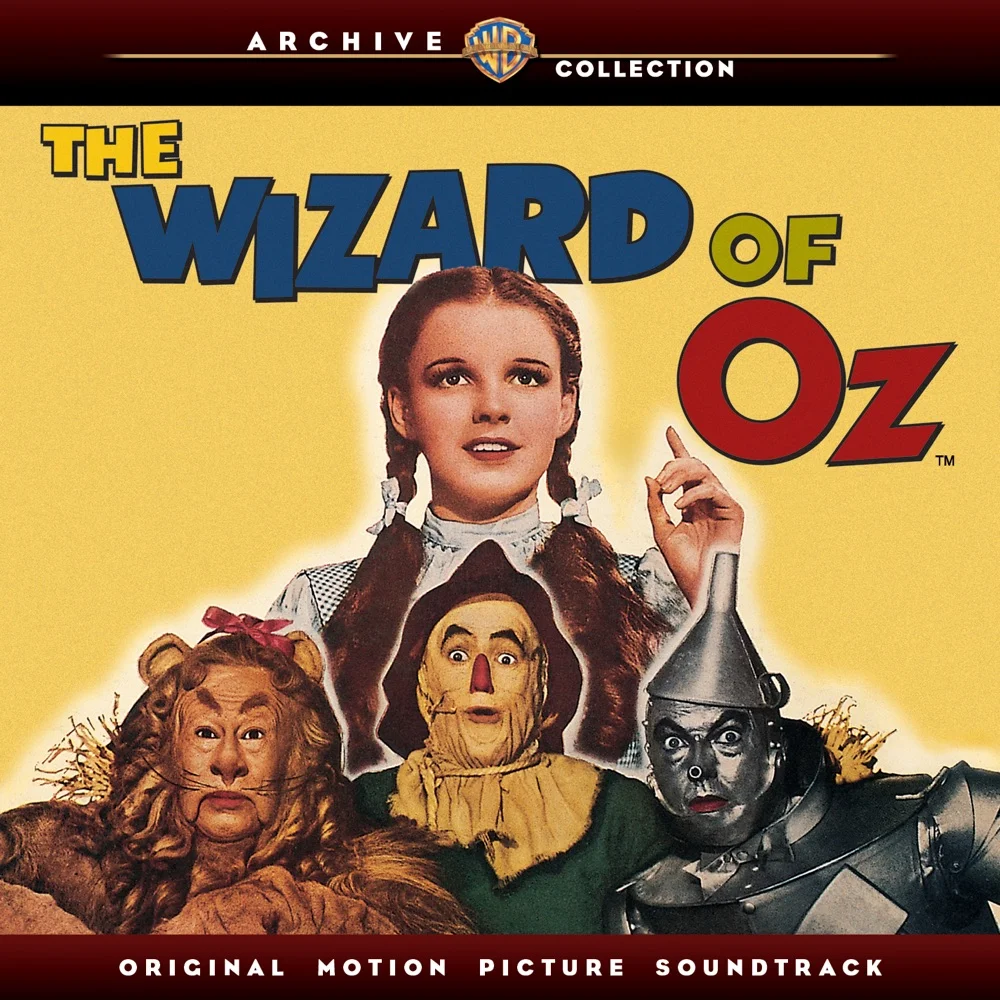
"Follow the Yellow Brick Road" is an iconic piece of musical cinema from the 1939 classic The Wizard of Oz. Sung by the ensemble of Munchkins, it serves as the musical transition that sets Dorothy off on her journey. While short, the song is a masterclass in character voice work and ensemble timing.
To sing this correctly, you must abandon modern pop styling. The goal is to achieve a bright, almost cartoonish resonance without damaging your vocal cords. It requires high placement and very precise articulation.
AI Coach Tip: Smile for Sound
To get that authentic Munchkin brightness, try singing with a wide smile. This lifts the soft palate and shortens the vocal tract, naturally brightening your tone without needing to strain your throat.
Phase 1: The Rhythmic March
The song starts with the repetitive "Follow the yellow brick road." The rhythm here is strict and staccato (short and detached). The challenge is keeping the pitch steady while articulating the 'L' sounds quickly.
The Trap: Singers often drag the tempo. Imagine you are marching. Keep the consonants crisp: "Fol-low, fol-low."
Phase 2: Character Voice & Resonance
The Munchkins have a distinct, nasal quality. This is often called "twang" in vocal pedagogy. To find this sound safely, imitate a witch's cackle or a duck quack gently.
- Placement: Feel the vibration in your nose and mask (the front of your face), not in your chest.
- Airflow: Even though the sound is tight, the airflow must remain consistent. Do not hold your breath.
- Vowels: Keep vowels narrow. An "Ah" should sound more like "Eh" or a bright "A."
Phase 3: The High Glide
The phrase "We're off to see the Wizard" transitions from the staccato verse into a smoother, legato melody. This line climbs higher in the range (typically hitting an E5 or higher depending on the arrangement). You must switch to your head voice here while maintaining that bright character tone. Do not yell this part; let it float.
Frequently Asked Questions
In the original movie, the audio was recorded slowly and sped up to create the effect. However, you can mimic this naturally by using a high larynx position and bright resonance. You don't need post-production tricks!
The melody generally floats around E4 to E5. It stays in the upper register, which is why it's great practice for head voice control.
If your throat hurts, you are squeezing your muscles to get the high sound. Relax your jaw, support from your diaphragm, and rely on "twang" placement rather than muscle tension.