
The Art of the "Laid-Back" Vocal
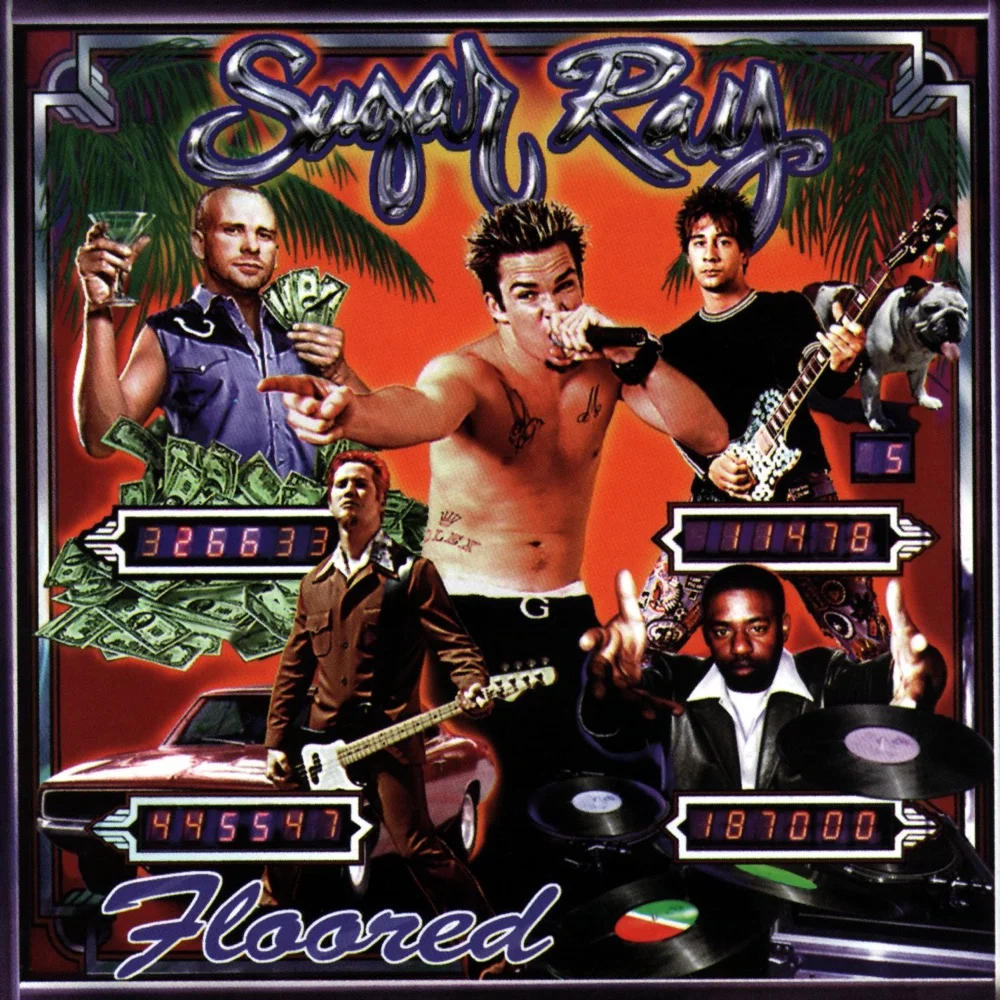
"Fly" by Sugar Ray is the definitive summer anthem of the late 90s. Featuring the dancehall artist Super Cat, it blends alternative rock with reggae fusion. Unlike power ballads that require massive lung capacity, "Fly" demands attitude, rhythm, and tone control.
Mark McGrath's vocal delivery is deceptively simple. He sits deep in the pocket of the beat, often using a sing-speak style that slides into melody. The challenge is maintaining that relaxed "slacker" vibe without becoming pitchy or lazy with your diction.
AI Coach Tip: Watch Your Diction
In the Super Cat verse, the rhythm speeds up significantly. Our analysis shows users often slur the words here. Practice articulating the consonants sharply (T's and K's) to keep the rhythm driving forward.
Phase 1: The Verses (Relaxed Chest Voice)
The song opens with a catchy guitar riff in D♭ Major. The verses ("All around the world statues crumble for me") are sung in a mid-range chest voice. The key here is to keep your jaw loose.
The Trap: Because the melody is repetitive, it's easy to go flat. Keep a smile in your voice (literally, lift your cheeks slightly) to brighten the tone and keep the pitch centered.
Phase 2: The Chorus (The Hook)
"I just want to fly..." This is the money maker. It sits slightly higher in the range but shouldn't be belted aggressively. It requires a lighter, airier texture.
- Falsetto Touches: You can flip into a light head voice on the word "fly" for stylistic effect, or keep it in a light mix.
- Vowel Shape: Modify the "Fly" vowel towards "Fl-ah-ee" to keep the throat open. A tight "ee" sound will close off your resonance.
Phase 3: The Dancehall Bridge
Super Cat's contribution brings a rhythmic complexity that acts as a counterpoint to the smooth chorus. This section is less about melody and more about percussion. Treat your voice like a drum.
Focus on the downbeats. The syncopation is heavy here, so tapping your foot or hand to the quarter notes while singing will help lock you into the groove.
Frequently Asked Questions
The main vocal melody hits a sustained F#4 in chest voice. There are higher harmonies in the background that reach into the 5th octave, but the lead is very accessible.
Range-wise, it is an easy/medium song suitable for Baritones and Tenors. The difficulty comes from the rhythmic "toasting" style verses and maintaining the specific reggae-pop style.
Ideally, yes! It's integral to the song's structure. If you struggle with the speed, use the Singing Coach AI app to slow the tempo to 75% and practice the articulation.