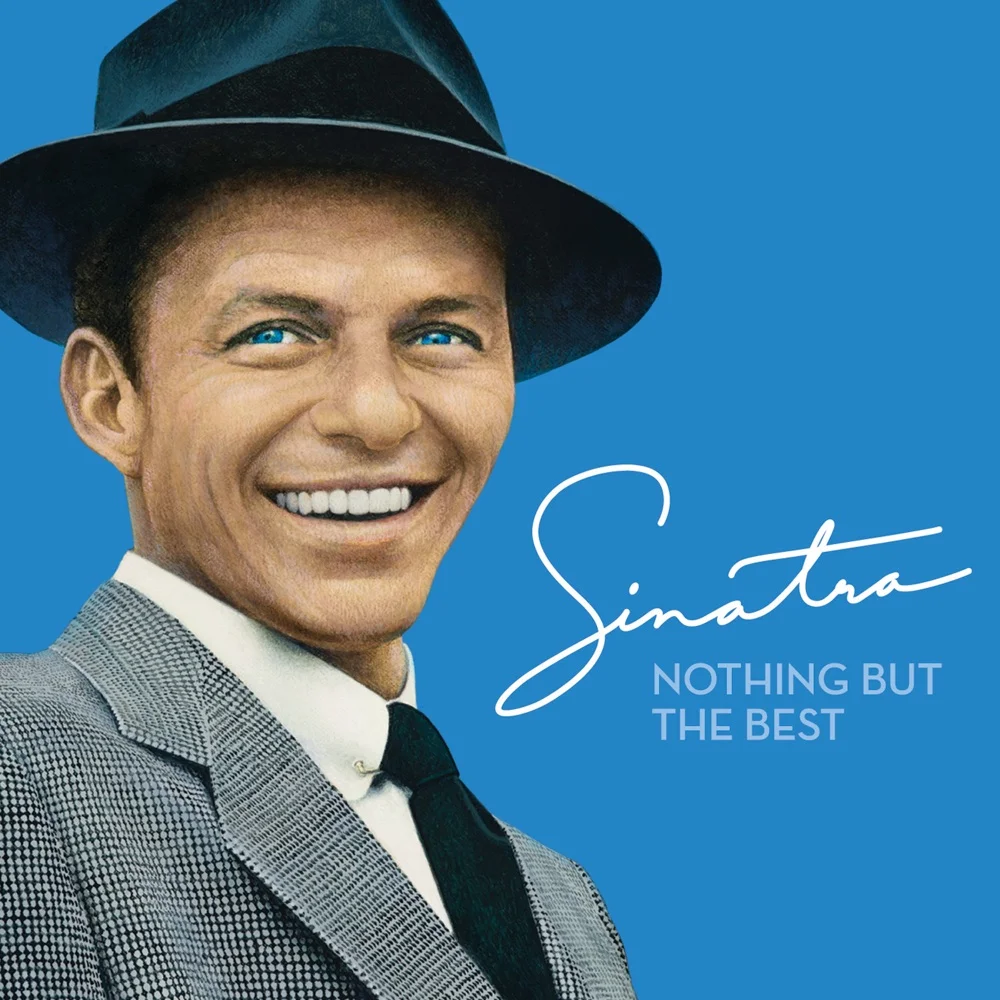
The Definitive Jazz Standard
Originally titled "In Other Words," this song became a timeless hit when Frank Sinatra recorded it with Count Basie in 1964. While the melody seems simple, the mastery lies in the style. It is the perfect track to learn phrasing, breath control, and how to sing with a relaxed, open throat.
Unlike power ballads or rock anthems, this song requires "cool." You cannot push the vocals. You must float over the instrumentation with a confident, legato delivery. Let's break down the technique.
AI Coach Tip: Back-Phrasing
Sinatra rarely sang exactly on the beat. He often sang slightly behind it to create a relaxed feel. Our app tracks this "swing feel"—try delaying your entry on words like "Moon" and "Stars" by a fraction of a second.
Phase 1: The Verse (0:00 - 0:45)
The song starts with "Fly me to the moon." The challenge is the interval jump. You need to hit the notes clearly without sliding (portamento) too much, which can sound messy. Keep your volume at a conversational level.
The Trap: Many singers run out of breath on "Let me see what spring is like on Jupiter and Mars." Practice singing this entire phrase in one breath to maintain the smooth, legato line that Sinatra is famous for.
Phase 2: The "In Other Words" Bridge
Here the song builds slightly in intensity. When singing "In other words, hold my hand," emphasize the consonants gently but keep the vowels long and round. The phrase "Baby, kiss me" is often sung with a slight "cry" or emotional inflection in the voice.
Ensure you are using chest resonance here. If you switch to head voice too early, you lose the "crooner" authority required for the genre.
Phase 3: The Big Finish
The song builds to a climax on "I love you." Depending on the key (usually C Major), this often culminates in a G4. This is a high note for many baritones.
To hit this safely, think of singing "down" into the floor rather than reaching up. Keep your jaw loose and modify the vowel on "You" towards an "Oh" sound (Yoh) to allow more space in the throat.
Frequently Asked Questions
In the standard Sinatra key, the highest note is a G4, usually hit at the very end of the song on the final "You."
Yes, absolutely. Tenors may find the low notes (B2) in the verses slightly quiet, but they will shine on the high ending. You can transpose the key up +2 semitones in the Singing Coach AI app if the lows are too deep.
The secret is a slightly lowered larynx (like the beginning of a yawn) and focusing the vibration in your chest/sternum. Avoid nasality.