
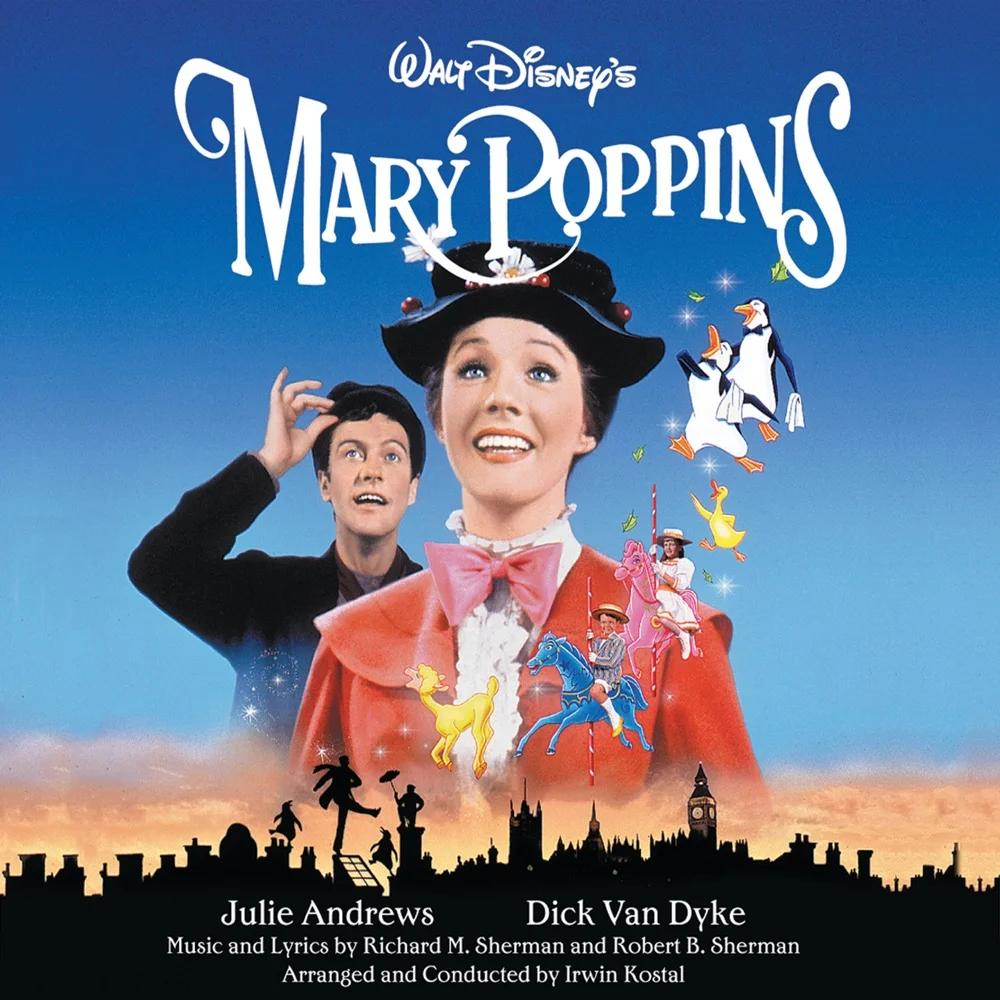
Walt Disney's Favorite Song
Written by the Sherman Brothers for the 1964 masterpiece Mary Poppins, "Feed the Birds" was notably Walt Disney's personal favorite. It is not a song about power or range; it is a song about heart. The melody is deceptive—simple on paper, but requiring immense control to execute correctly.
To sing this well, you must master the art of legato (smooth, connected notes). The song demands a storytelling approach where every word is painted with emotion, but the vocal line remains unbroken.
AI Coach Tip: Watch Your Vibrato
Many singers apply too much operatic vibrato to this song. Julie Andrews uses a straight tone that blooms into a gentle vibrato at the very end of phrases. Keep it simple and pure.
Phase 1: The Verse (0:00 - 0:45)
The song begins in a conversational register. The line "Early each day to the steps of Saint Paul's" sits low (around F3/G3). Ensure you have enough chest resonance here so the voice doesn't disappear, but keep the volume low (piano).
The Trap: Rushing the tempo. This is a lullaby. Allow yourself to sit on the back of the beat.
Phase 2: The Chorus (0:45 - 1:30)
The iconic refrain "Feed the birds, tuppence a bag" moves into the middle voice. The challenge here is the interval jump. You need to keep your throat open and relaxed. The word "Tuppence" should be emphasized slightly, but not punched.
- Diction: Julie Andrews is famous for her crisp enunciation. Ensure your 'T's and 'P's are clear.
- Breath: The phrases are long. Take a deep, low breath before "Tuppence, tuppence, tuppence a bag" to make it through without gasping.
Phase 3: The Climax (2:10 - End)
The bridge ("All around the cathedral...") brings a swell in volume. This is the emotional peak. You will ascend to the higher part of the range (up to C5/D5). Use a "heady mix"—a blend of head voice sweetness with just enough chest weight to provide fullness.
The final "Tuppence... a... bag..." should retard (slow down) significantly, fading to a whisper. Control your exhale to keep the pitch steady as you get quieter.
Frequently Asked Questions
The highest note in the standard arrangement is a D5, occurring during the emotional swells of the chorus and bridge harmonies.
Yes. It is an excellent song for beginners to learn breath control and phrasing because it doesn't require extreme high notes or fast runs.
The tempo is slow, which eats up air. Practice breathing "into your back" (expanding the ribcage) and releasing the air very slowly, like a leaking tire.