
The Art of Conversational Singing
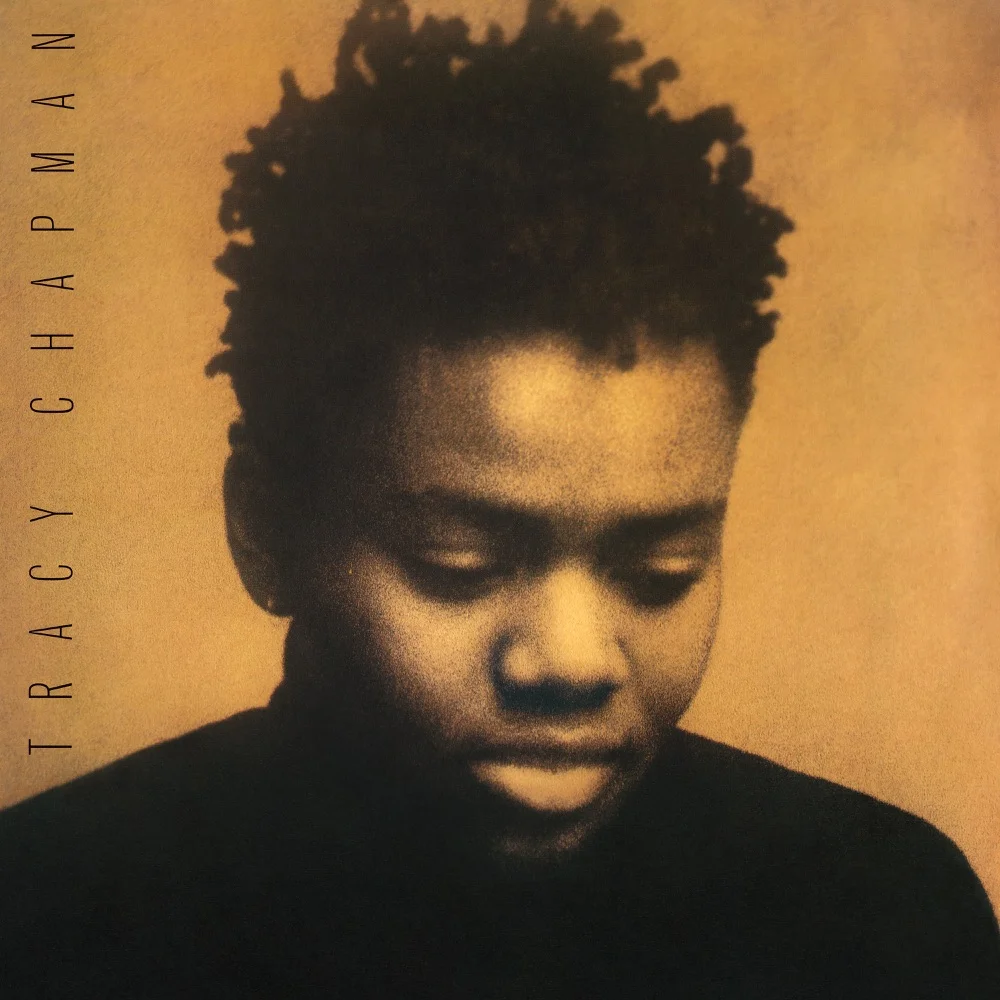
Fast Car isn't about hitting high notes; it's about making the listener believe every word. Released on Tracy Chapman's 1988 debut album, this folk-rock masterpiece requires a grounded, conversational approach to singing. The melody is repetitive, which means your dynamics and tone must carry the emotional weight.
To sing this well, you need to master your chest voice. The song sits low (E3 to A4), which can be tricky for higher voices who might lose power or volume in the bottom notes. Let's break down the technique.
AI Coach Tip: Watch Your Breathing
The verses contain long, narrative phrases like "You got a fast car, I want a ticket to anywhere." Most users run out of breath before the end of the line. Practice taking quick, deep belly breaths at the punctuation marks.
Phase 1: The Verses (The Low End)
The song begins in a very comfortable speaking range. The challenge is clarity. When singing low notes like the E3, avoid "vocal fry" (that creaky sound) unless it's a specific stylistic choice. You want a warm, round tone.
The Trap: Because it feels like talking, singers often get lazy with pitch. Ensure you are actually hitting the notes rather than sliding around them.
Phase 2: The Chorus Lift
The transition to "So I remember when we were driving..." is subtle but crucial. The volume should increase slightly, and the tone should become more urgent.
- Resonance: Shift your resonance slightly forward into the "mask" of your face to get a brighter sound for the chorus.
- Be Someone: The climax of the song happens on the repeated line "be someone." This is where you can use a bit more air pressure to create emotional texture.
Phase 3: Endurance & Storytelling
This is a nearly 5-minute song with no bridge to break it up. The danger is sounding monotonous. To keep the listener engaged, vary your volume. Start the song softly (mezzo-piano), build the volume in the second and third choruses, and bring it back down for the final verse.
Frequently Asked Questions
The highest note in the main melody is an A4. It is accessible for almost all voice types without needing to switch to falsetto.
It might feel low. The E3 is quite deep for high sopranos. In the Singing Coach AI app, you can transpose the track up +2 or +3 semitones to make it shine in your range.
Tracy Chapman uses a fast, natural vibrato at the end of phrases. Practice holding a steady note and gently oscillating the pitch. Don't force it from your throat; let it come from your diaphragm support.