
Leave Your "Hateration" at the Door
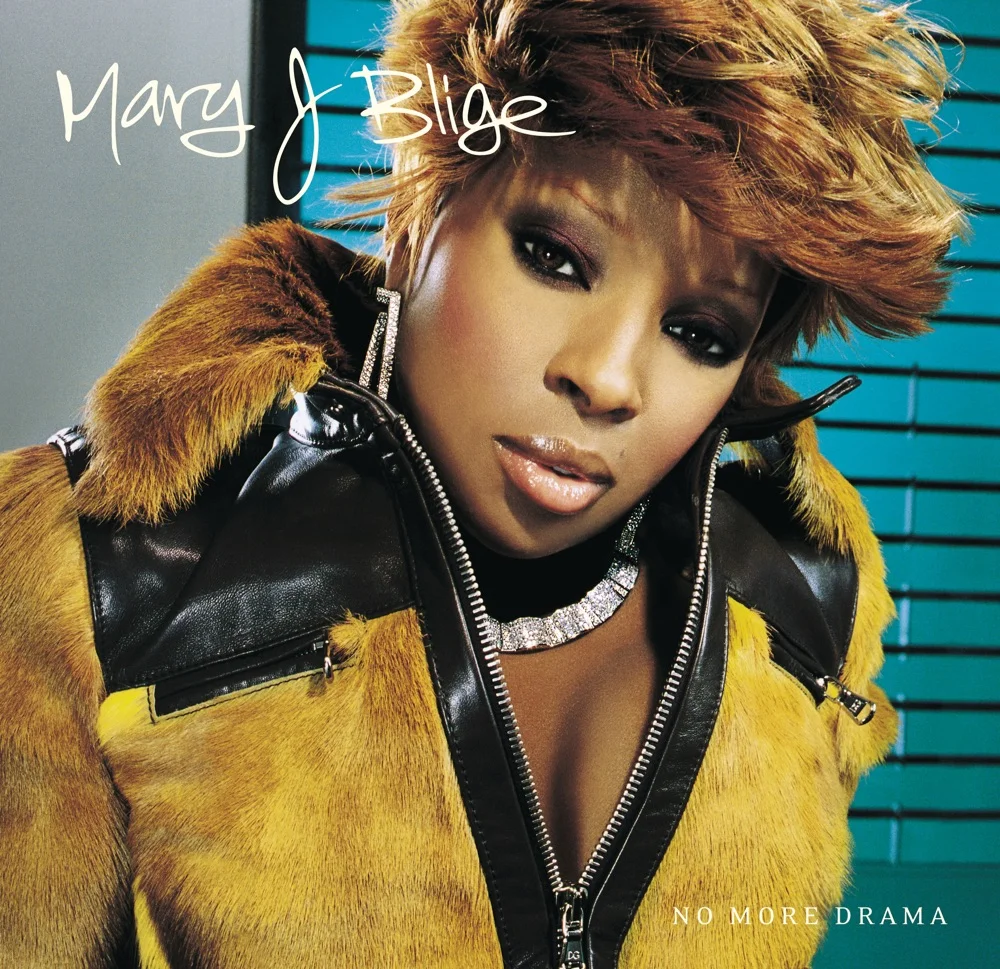
"Family Affair" is the defining track of Mary J. Blige's No More Drama era. Produced by Dr. Dre, this uptempo R&B track requires a very different skillset than a ballad. It's not about holding long, vibrato-heavy notes; it's about percussive phrasing, attitude, and staying strictly on the beat.
To sing this well, you need to channel your chest voice. The song sits in C# Minor, a key that allows for a rich, lower resonance that characterizes Mary's "Queen of Hip-Hop Soul" sound. Let's break down the technique required to master this dance floor anthem.
AI Coach Tip: Articulation is Key
Mary uses unique slang like "holleration" and "hateration." Our analysis shows that users score higher when they attack the consonants (especially the 't's and 'k's) sharply, rather than slurring the words.
Phase 1: The Verses (Low & Conversational)
The verses sit in the G#3 to B3 range. This is very comfortable for Altos and Mezzo-Sopranos. The challenge here is the "bounce." You shouldn't sing this legato (smooth/connected).
The Technique: Treat your voice like a percussion instrument. Mimic the bassline. Keep the volume at a medium level (mezzo-forte) but keep the tone heavy and grounded in your chest.
Phase 2: The Pre-Chorus (Building Tension)
On the lines "Come on baby, just party with me," the melody climbs slightly. You need to increase your energy here to signal the chorus is coming.
- Breath Control: The phrases are relatively short, but you need enough air to punch the end of each line.
- Placement: Shift the resonance slightly forward into the "mask" of your face to get that bright, cutting R&B tone without straining your throat.
Phase 3: The Chorus (The Hook)
This is the most famous part of the song. The melody circles around C#4 and E4, occasionally touching higher notes in ad-libs. The delivery needs to be celebratory and commanding.
Avoid getting "breathy" here. You want a solid, confident sound. When Mary sings "We don't need no hateration," there is a slight growl or "vocal fry" at the start of the phrase for style. Practice this carefully to ensure you aren't hurting your vocal cords.
Frequently Asked Questions
The core melody goes up to a C#5 in the ad-libs and harmonies, but the main belted melody sits comfortably around B4.
Yes, but you may need to focus on darkening your tone to match the soulful vibe of the original. You can also transpose the track up +1 or +2 semitones in the Singing Coach AI app.
It's about confidence. Don't be afraid to slide into notes (portamento) and use a slightly flatter, less "classical" vibrato.