
The Heartbreak Anthem of the 90s
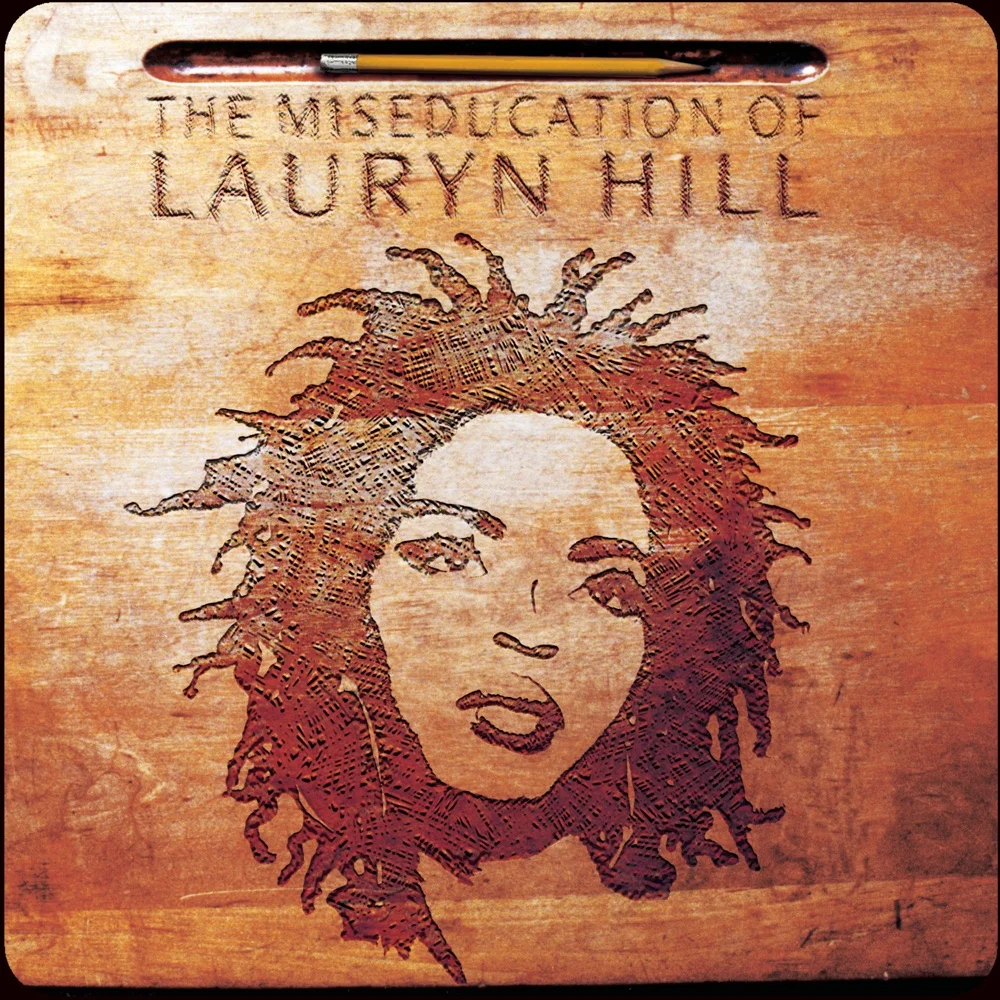
Ex-Factor is more than just an R&B song; it is a lesson in vulnerability. Featured on The Miseducation of Lauryn Hill, this track blends soul, hip-hop, and gospel influences. The vocal performance is famous for its raw, "imperfect" perfection—where emotional cracks in the voice are used as stylistic tools rather than errors.
To sing this well, you need to balance a conversational, almost rap-like delivery in the verses with powerful, open-throated wailing in the chorus. Breath control is critical for the repetitive, trance-like outro.
AI Coach Tip: Embrace the "Cry"
Lauryn Hill uses a vocal technique often called a "cry" or "sob" to add emotional weight. Our analysis shows users score higher when they soften the onset of notes in the chorus rather than attacking them aggressively.
Phase 1: The Verses (0:00 - 1:20)
The song begins in B Major. The verses ("It could all be so simple") should be sung with a conversational tone. You are telling a story. Keep your volume at a mezzo-piano.
The Trap: Many singers over-sing the verses with too much vibrato. Keep the tone straight and direct. The rhythm here is loose and sits slightly behind the beat, giving it that classic Neo-Soul feel.
Phase 2: The Chorus (1:20 - 3:15)
Here, the intensity lifts. The line "No one loves you more than me" requires a strong chest mix. You aren't belting at full volume, but you need resonance.
- Resonance: Aim for a warm, chest-dominant sound. Avoid getting too nasal.
- Placement: Keep the sound forward in the mask of the face to project without straining the throat.
- Emotion: This is where you let the voice "break" slightly for effect.
Phase 3: The Outro Runs (3:15 - 5:26)
This section is famous for its repetition of "Care for me, care for me." This is a stamina test. Lauryn layers intricate ad-libs and runs over the backing choir.
To master the runs (melisma), break them down note by note. They are largely pentatonic. Use the "slow down" feature in the Singing Coach AI app to practice these runs at 50% speed before attempting them at full tempo.
Frequently Asked Questions
The song generally stays within a comfortable range, but the ad-libs and belts reach up to a D5. The challenge is the agility, not just the pitch.
Absolutely. While it sits nicely for Altos in the lower verses, Sopranos can shine in the ad-lib section. You may need to focus on thickening your lower register for the verses.
Don't squeeze your throat. The rasp should come from relaxing the vocal cords slightly to let more air through (breathy tone), not from grinding them together.