
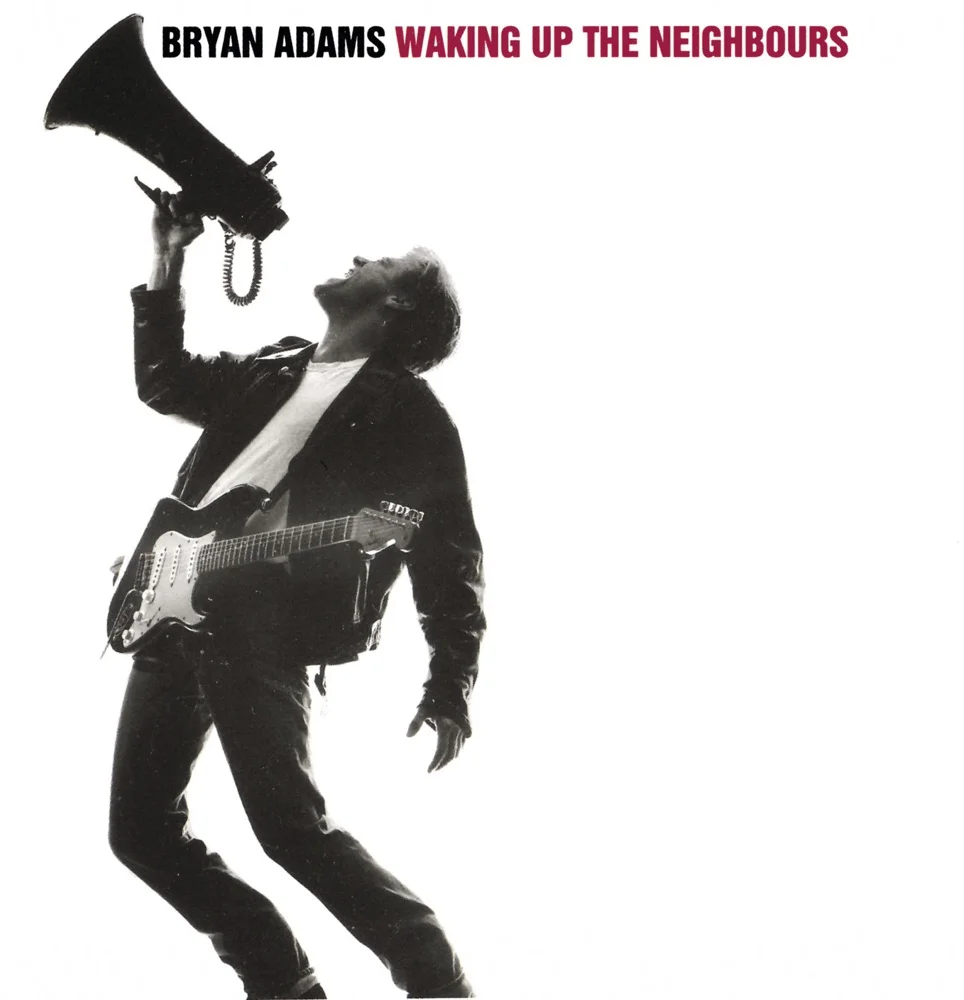
The Ultimate Power Ballad Challenge
Released in 1991 for the Robin Hood: Prince of Thieves soundtrack, "(Everything I Do) I Do It for You" spent a record-breaking 16 consecutive weeks at number one in the UK. For a singer, this song is a masterclass in building intensity. It starts as an intimate whisper and explodes into a stadium-filling anthem.
To sing this like Bryan Adams, you need more than just pitch accuracy. You need to master "vocal grit"—that raspy texture that conveys emotion without shredding your vocal cords—and you need incredible breath support to sustain the long, powerful notes in the chorus.
AI Coach Tip: Watch Your Airflow
The most common mistake on this track is running out of breath during the chorus lines like "Don't tell me it's not worth fightin' for." Take a deep, diaphragmatic breath before the phrase begins, and resist the urge to release all your air on the first word.
Phase 1: The Intimate Verse (0:00 - 1:05)
The song begins in Db Major with just piano and vocals. The delivery here should be conversational and breathy. You aren't singing to a crowd yet; you are singing to one person.
The Trap: Many singers start too heavy. Keep your volume at a 3/10. Focus on the diction of words like "eyes" and "heart." The AI Coach will penalize you if you push the volume too early.
Phase 2: Building the Grit (1:05 - 2:30)
As the drums enter, the vocal intensity must rise. This is where you introduce the "rasp." Bryan Adams uses a technique involving false cord constriction to create that gravelly sound.
To do this safely, you need to rely on "twang" (narrowing the epiglottis) rather than squeezing your throat. If you feel a tickle or pain, stop immediately. You are pushing too hard from the throat instead of supporting from the diaphragm.
Phase 3: The Climax (3:30 - End)
Following the guitar solo, the song reaches its peak emotional intensity. The bridge contains the line "There's no love like your love," where the melody pushes into the upper fourth octave.
The outro ad-libs reach a belted Db5. This is a very high note for a chest-dominant mix. Ensure your jaw is relaxed and dropped to allow maximum resonance. Do not yell; project sound forward into the "mask" of your face.
Frequently Asked Questions
The highest belted note is a Db5 found in the ad-libs towards the end of the song. The main melody consistently hits Ab4 and Bb4.
Rasp should come from relaxation, not tension. Try imitating a "fry" sound (like a creaky door) and gently layering that texture over a supported tone. Use the Singing Coach AI app to monitor for strain.
Yes! This song is quite high for many baritones. You can use the app to transpose the backing track down -2 or -3 semitones to make it more comfortable while you build stamina.