
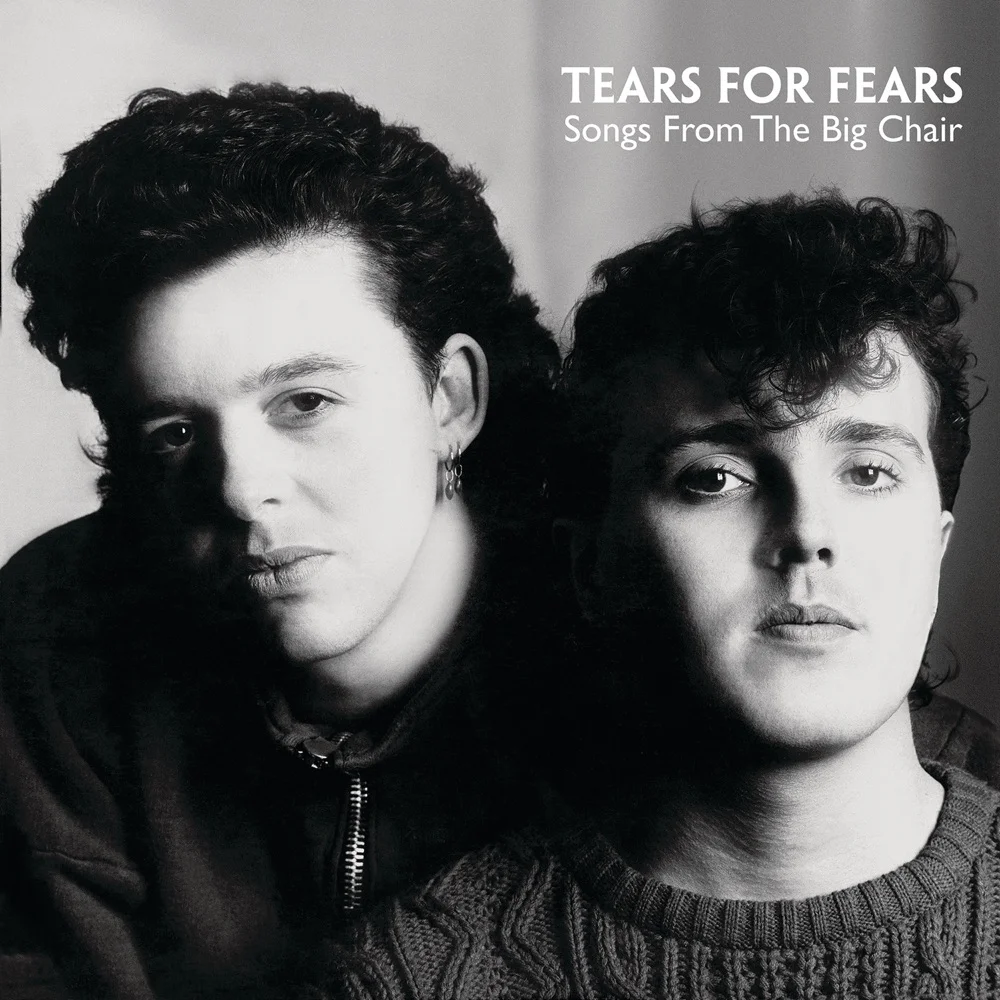
The Defining Anthem of 80s Pop
Released on the 1985 album Songs from the Big Chair, "Everybody Wants to Rule the World" is a masterclass in controlled, melodic singing. While it doesn't feature the acrobatic high notes of Queen, the difficulty lies in the relentless "shuffle" rhythm (12/8 time signature) and the smooth, legato phrasing.
Lead singer Curt Smith delivers the vocals with a relaxed authority. The key to nailing this song is staying right in the pocket of the beat without sounding rushed. Let's break down the technique.
AI Coach Tip: Watch Your Phrasing
Because the beat is a "shuffle," straight 4/4 timing will sound robotic. You need to feel the triplet swing underneath your vocals. Our analysis shows users often come in too early on the verses.
Phase 1: The Verses (0:45 - 1:15)
The song opens in a lower register with "Welcome to your life." This sits around E3-A3. The danger here is "vocal fry"—letting the voice drop back into the throat and crackle. Keep the sound forward in your mask (the front of your face) even on the low notes.
The Trap: The line "Help me make the most of freedom and of pleasure" is a mouthful. Focus on clear diction, particularly on the 'm' and 'p' consonants, to keep the rhythm crisp.
Phase 2: The Chorus (1:15 - 1:35)
The energy lifts for "Everybody wants to rule the world." This line ascends to an F#4. This isn't incredibly high, but it requires a solid chest-mix. If you yell it, it sounds aggressive, which contradicts the smooth vibe of the track.
Think of "lifting" the soft palate (the back roof of your mouth) to create space. This gives you that resonant, 80s pop sound without straining your vocal cords.
Phase 3: The Bridge (2:36 - 3:00)
The lyrics "There's a room where the light won't find you" introduce a darker tone. The melody becomes more sustained here. You need excellent breath support to hold these notes steady while the driving bassline continues underneath.
Ensure you take a deep, diaphragmatic breath before the line "Holding hands while the walls come tumbling down," as this phrase requires significant stamina to finish strong.
Frequently Asked Questions
The highest belted note in the main melody is an F#4 (on "world"). Backing harmonies may go higher, but the lead vocal stays within a comfortable Baritone/Tenor range.
It is technically in 12/8 time, giving it that triplet "shuffle" feel (ONE-and-a TWO-and-a). In the Singing Coach AI app, we provide a metronome specifically set to this groove to help you practice.
Yes! The original key of D Major sits well for Altos in their lower chest register. You might find the verses quite low, but the chorus will be very comfortable.