
Mastering Sia's Emotional Powerhouse
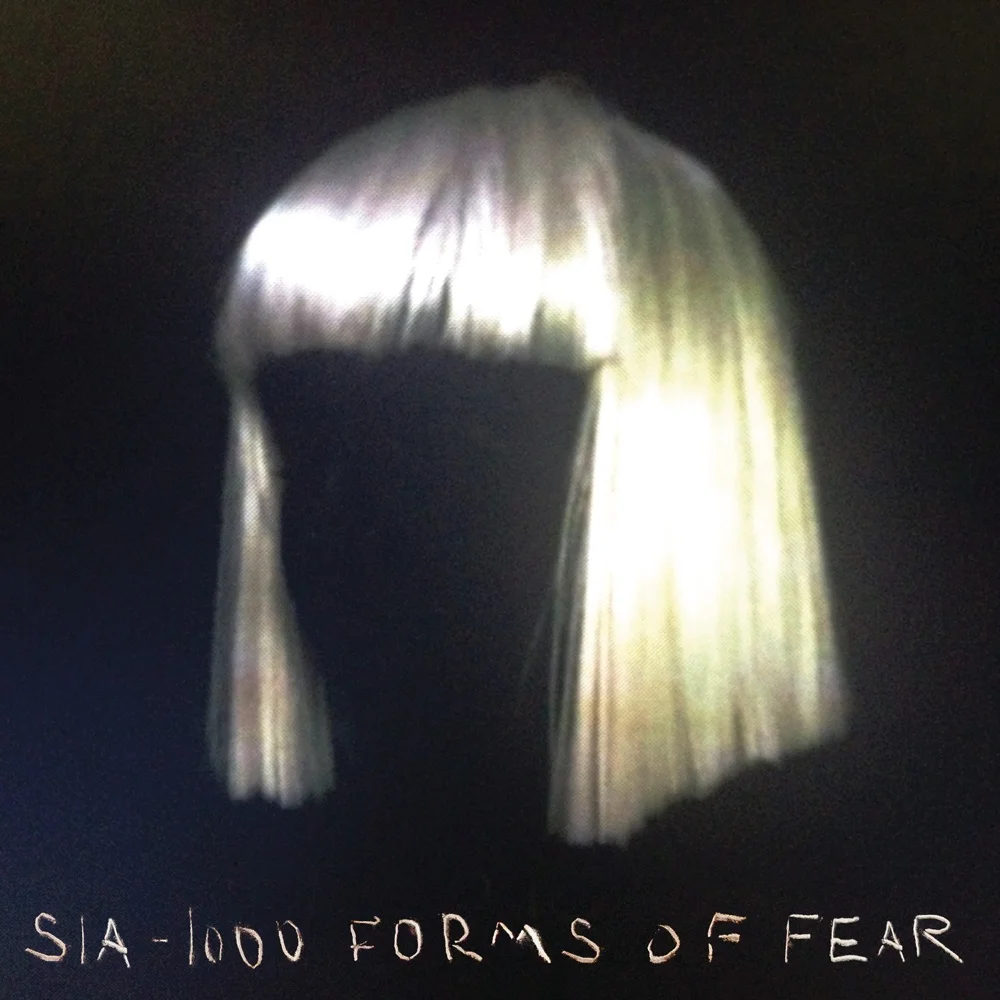
"Elastic Heart" is a defining track for modern pop vocals. Featured on the Hunger Games: Catching Fire soundtrack and later on 1000 Forms of Fear, this song requires more than just hitting notes—it requires visceral emotion. Sia is known for her unique vocal texture, intentional cracks, and incredible dynamic range.
The song creates a massive contrast between the mumbled, low-register verses and the explosive, belted chorus. To sing this well, you need to manage your breath support carefully during the quiet moments so you have enough fuel for the chorus.
AI Coach Tip: The "Sia Crack"
Sia often uses a technique called a "glottal stop" or a stylized vocal break to convey emotion. Don't smooth out every note! Our app detects these intentional breaks and rewards you for stylistic accuracy on words like "heart" and "part."
Phase 1: The Low Verse (0:00 - 0:58)
The song starts surprisingly low, around C3. For many Sopranos, this is the bottom of their range. The line "And another one bites the dust" should not be pushed.
The Trap: Singers often lose volume and clarity here. Focus on chest resonance and forward placement. Imagine vibrating your sternum. If you let your voice get too breathy here, you will run out of air before the end of the phrase.
Phase 2: The Pre-Chorus Build (0:58 - 1:17)
The intensity ramps up on "Well, I've got thick skin and an elastic heart." The melody climbs, and you need to switch from that heavy chest voice into a mixed voice.
- Thick Skin: This requires a strong mix. Don't yell it, but don't flip to falsetto yet.
- Rubber Band: Watch your diction. Sia modifies her vowels (singing "bund" instead of "band") to keep her throat open for the higher notes.
Phase 3: The Chorus Belt (1:17 - 1:55)
This is full-on power. The chorus sits high and requires stamina. The phrase "I've got an elastic heart" hits strong belted notes (C5/D5).
To survive this section without vocal strain, you must use diaphragmatic support. Drop your jaw and modify the vowel 'A' in "Heart" towards an 'AH' or 'UH' sound. This prevents the throat from closing up on the high pitch.
Frequently Asked Questions
The highest belted note in the main melody is approximately an Eb5. However, ad-libs and harmonies may go higher.
Yes, it is rated "Hard" because of the wide range (C3 to Eb5). Beginners often struggle with the very low verses or strain during the chorus belt.
Unwanted cracks happen when the larynx jumps up. Practice the transition from verse to chorus slowly in the Singing Coach AI app to stabilize your mix voice.