
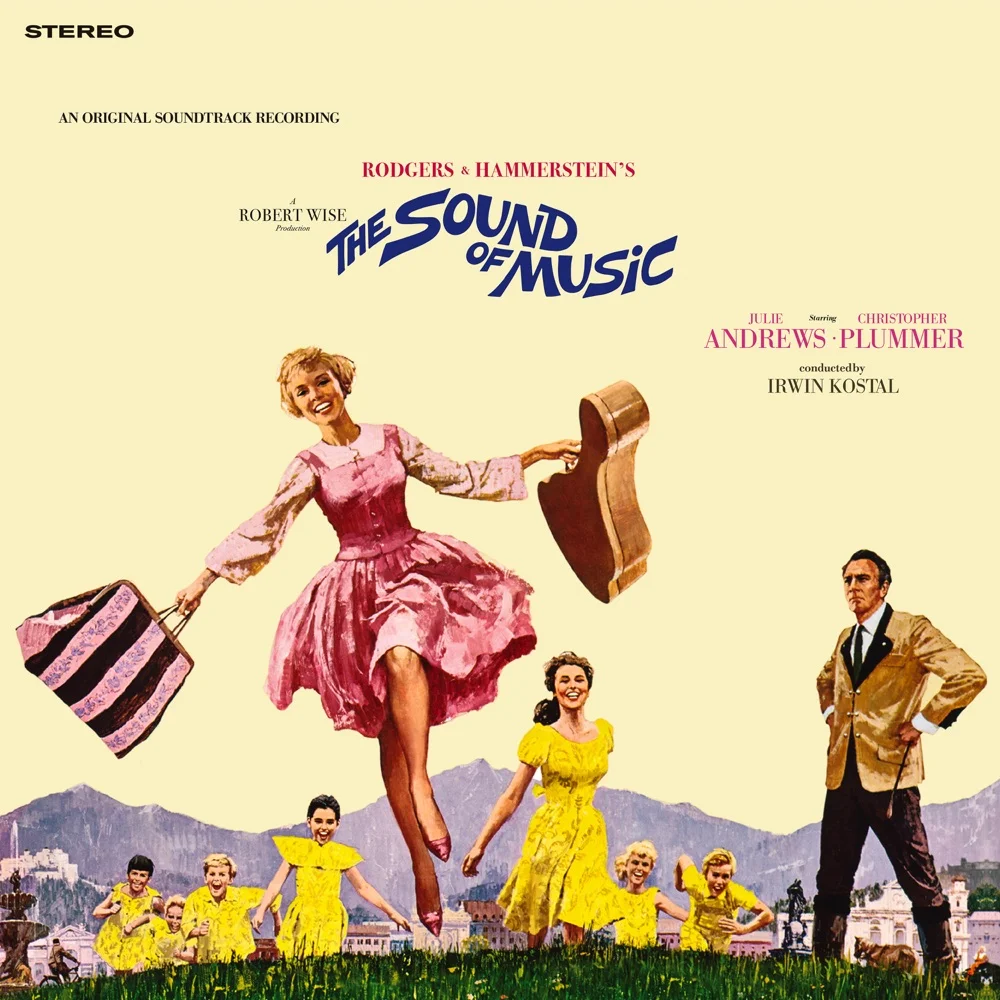
The Emotional Heart of "The Sound of Music"
Edelweiss is the final song Rodgers and Hammerstein wrote together. In the film, it serves as an emotional farewell to Captain von Trapp's homeland. The song is simple in structure—an AABA form—but its power lies in its restraint. Unlike high-energy showstoppers, this song requires a "conversational" singing style.
To sing this well, focus on tone color and legato. Your goal is to sound warm and fatherly, rather than projecting like an opera singer. Let's break down the techniques required.
AI Coach Tip: Soft Onset
Do not attack the first word "Edelweiss" aggressively. Use a soft onset (a gentle start to the airflow) to create that intimate, acoustic atmosphere. Our pitch tracker watches for stability at low volumes.
Phase 1: The Verse (0:00 - 0:45)
The song begins in Bb major. The melody hovers in a very comfortable low-to-mid range for baritones. The lines "Small and white, clean and bright" should be sung with a smile to brighten the vowel sounds naturally.
The Trap: Because the melody is simple, singers often let their pitch sag on the ends of phrases. Keep your breath support engaged through the very last second of "happy to meet me."
Phase 2: The "Blossom of Snow" (0:45 - 1:15)
Here the melody rises slightly for the emotional peak: "Blossom of snow may you bloom and grow." While it goes higher, do not belt it. Keep the volume controlled (mezzo-forte) and maintain that rich chest resonance.
- Bloom and Grow: Ensure you are using open vowels. A tight throat here will sound harsh against the acoustic guitar backing.
- Forever: This word spans several beats. Use a gentle vibrato at the tail end of the note to add warmth.
Phase 3: The Outro
The song concludes with a repetition of the main theme: "Bless my homeland forever." This is the most emotional moment. Christopher Plummer's performance (dubbed in parts but acting-wise perfect) shows vulnerability here. It is okay to let the voice sound a little "breathier" here for artistic effect.
Frequently Asked Questions
In the standard key of Bb Major, the highest note is a C4 (middle C). It is very accessible for almost all male voice types without needing falsetto.
No, it is one of the best songs for beginners. The challenge is not hitting high notes, but maintaining steady breath and a pleasing tone throughout long, slow phrases.
Absolutely. You can transpose the track up +5 or +7 semitones using the Singing Coach AI app to fit a female range comfortably.
