
Mastering the Eurodance Groove
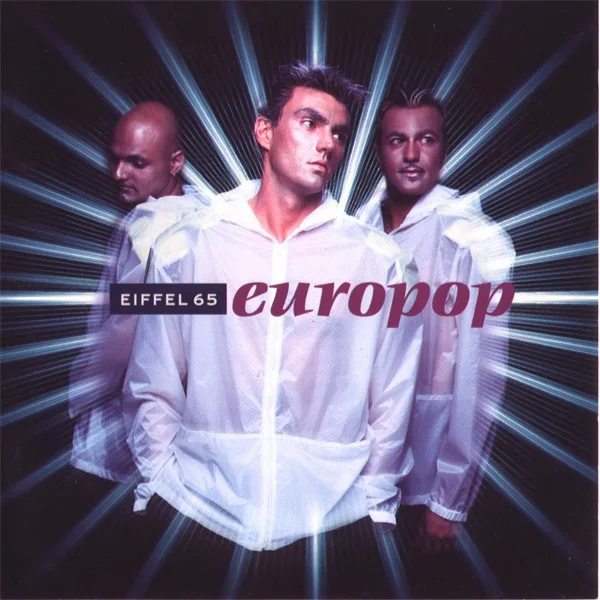
Dub in Life is a quintessential track from Eiffel 65's 1999 album Europop. Unlike traditional pop ballads, this song demands extreme rhythmic precision and stylistic control. The vocals are heavily processed, but to score well, you must emulate that mechanical feel using your natural voice.
The song operates in a loop-based structure typical of Italo Dance. Your goal isn't to show off wide vocal range, but to lock into the 128 BPM groove and deliver the phrases with machine-like consistency. Let's break down the technique.
AI Coach Tip: Flat Dynamics
To sound like the original, minimize your vibrato. The AI detects "pitch drift," so aim for a "straight tone." Imagine you are a robot; keep your volume and pitch dead flat on the sustained notes.
Phase 1: The Rhythmic Hook
The song relies on the repetition of the title phrase. The rhythm is syncopated against the bass drum. You need to hit the "Dub" right on the beat, but allow the "in Life" to float slightly.
The Trap: Many singers rush the tempo because the electronic beat is so driving. Listen to the snare drum and sit comfortably "in the pocket" rather than pushing ahead of the beat.
Phase 2: The Monotone delivery
Jeffrey Jey's vocals in this track stay within a very narrow range (mostly centering around F3 and G3). This might seem easy, but maintaining interest while singing only two or three notes is difficult.
- Articulation: Over-pronounce your consonants. The lyrics need to cut through a dense mix of synths.
- Breath Support: Even though the range is low, you need strong abdominal support to keep the tone steady and avoid going flat at the ends of phrases.
Phase 3: The Electronic Vibe
In the breakdown sections, the vocals become more atmospheric. Here, you can switch to a slightly breathier tone, but return immediately to the punchy, chest-voice sound when the beat drops back in.
Use the "Singing Coach AI" pitch visualizer to ensure you aren't sliding up to notes (scooping). Attack the note directly to mimic the quantization of a synthesizer.
Frequently Asked Questions
No. While the original uses heavy processing, you can emulate the style by singing with a straight tone (no vibrato) and precise, staccato phrasing.
The track is in F Minor. It uses a standard Eurodance chord progression that loops throughout most of the song.
Yes. Because the vocal range is very narrow (C3-C4), it is excellent for beginners who want to practice rhythm and timing without worrying about high notes.