
The Ultimate Blend of R&B and Hip-Hop
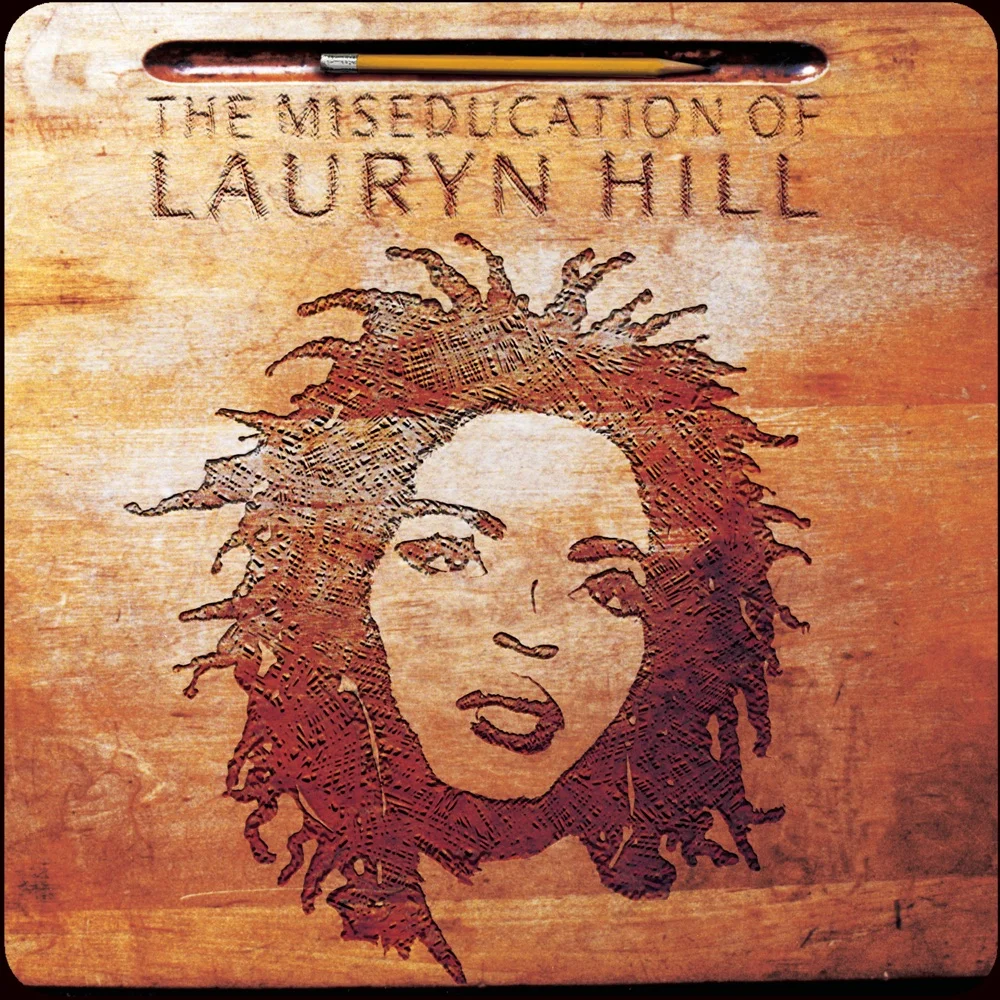
"Doo Wop (That Thing)" is a masterclass in versatility. Written and produced by Lauryn Hill for her 1998 masterpiece The Miseducation of Lauryn Hill, this track demands that you be two singers at once: a rhythmic rapper with impeccable flow, and a soulful R&B vocalist with rich chest resonance. It acts as a cautionary tale with a timeless groove.
To sing this well, you need confidence. The lyrics are conversational yet punchy. You cannot hide behind a breathy tone; you need direct, forward placement. Let's break down exactly how to tackle the flow and the melody.
AI Coach Tip: Watch Your Breath
The verses are dense with lyrics. Our analysis shows users often run out of air before the end of a bar. Practice taking quick, silent "catch breaths" at punctuation marks to maintain the energy of the rap.
Phase 1: The Hook (0:00 - 0:45)
The song opens with the iconic harmonies. The phrase "That thing, that thing, that thing" sits in the lower middle register. It requires a staccato delivery—short and detached notes.
The Trap: Don't slide between the notes. Keep them distinct and percussive. This sets the rhythmic pocket for the rest of the song.
Phase 2: The Verses (The Rap)
Here, melody takes a backseat to rhythm and diction. You are in D Minor, but the focus is on the "flow." You must articulate consonants clearly without slowing down the tempo.
- Attitude: The delivery should feel conversational but authoritative. You are telling a story.
- Rhythm: The AI Coach tracks your timing down to the millisecond. Don't rush ahead of the beat; sit right in the pocket of the snare drum.
- Tone: Use a brighter, more "twangy" vocal placement to ensure the lyrics cut through the bassline.
Phase 3: The Bridge (Melodic Singing)
The bridge ("The second you're gone...") brings back the melodic singing. This section requires a switch to a smoother, legato style. You need to connect the notes fluidly, contrasting the choppy nature of the verses.
The ad-libs toward the end reach up to a D5. These should be sung with a full mix voice, not a light falsetto, to match the soulful intensity of the track.
Frequently Asked Questions
The core melody spans from A3 to D5. It sits very comfortably in the Mezzo-Soprano or Alto range, making it accessible for most female voices.
Yes. The song works well for Tenors in the original key. Baritones might find the verses comfortable but may need to transpose the melodic bridge down -2 semitones using the Singing Coach AI app.
Start by slowing the track down in the app to 75% speed. Focus on consonant articulation (T's, K's, and P's) to make the lyrics crisp before speeding back up.