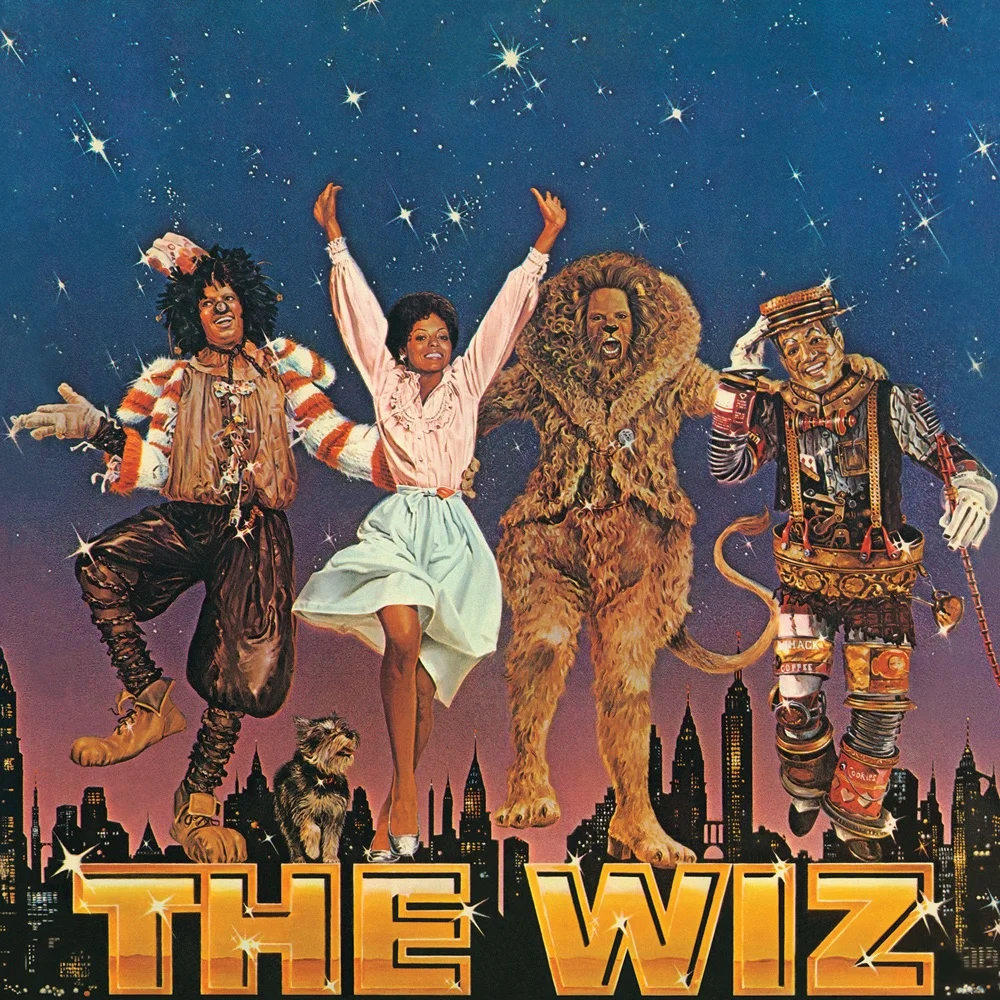
The Ultimate Villain Anthem
Written by Charlie Smalls for the hit musical The Wiz, "Don't Nobody Bring Me No Bad News" is a masterclass in character singing. As Evillene, the Wicked Witch of the West, Mabel King delivered a performance that fused terrifying authority with undeniable gospel funk.
To sing this well, you can't be polite. This song demands a heavy chest voice, rhythmic precision ("in the pocket"), and the ability to act with your voice. It is less about pretty vowels and more about grit, squalls, and command.
AI Coach Tip: The "Squall"
Mabel King uses vocal distortion (growls) for emphasis. Do not tighten your throat to achieve this! Practice using false-cord engagement with plenty of airflow. If it tickles or hurts, stop immediately.
Phase 1: The Groove (Verses)
The song sits in a heavy gospel groove. The opening lines ("I have a strange digestion...") should be sung with a lazy, heavy back-phrasing. You are the Queen, and you don't rush for anyone.
The Trap: Many singers make this too "musical theatre" proper. It needs to be soulful. Flatten your vowels slightly and sit heavy on the chest resonance.
Phase 2: The Call & Response
The interaction with the Winkies (the chorus) drives the energy up. When you shout "Bring me the news!" ensure your consonants are explosive. The "B" and "N" sounds help project your voice without needing to push too much air.
- Attitude: Treat every line as a command or a threat.
- Rhythm: Lock in with the bassline. If you drift off the beat, the comedy and power are lost.
Phase 3: The Climax and Ad-Libs
Towards the end, the song becomes a gospel revival. You will need to access your upper belt (reaching F5). Mabel King adds slides, scoops, and shouts here.
To survive the end of the song, engage your core support (the "powerhouse" muscles) and think of directing the sound forward through your hard palate, rather than keeping it in the back of the throat.
Frequently Asked Questions
This is ideal for a Contralto or a Mezzo-Soprano with a strong lower register and a developed chest belt.
The laugh is part of the pitch! Our app visualizer will show you the melodic shape of the laugh so you can time it perfectly with the music.
Yes. The original is in F Major, which is quite high for some altos. Use the Singing Coach AI app to drop it -2 semitones to Eb Major for a heavier, bluesier feel.