
Mastering the Modern Baritone Anthem
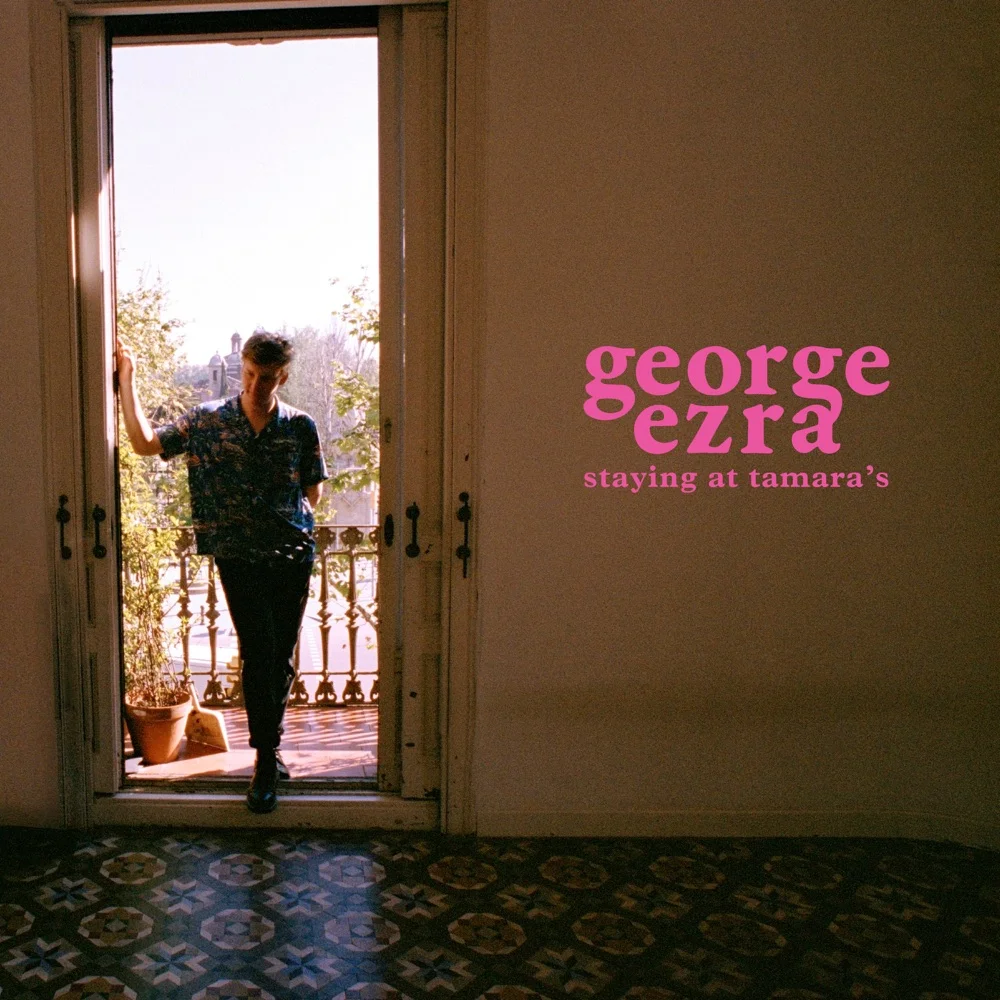
Released as the lead single from his second studio album, Staying at Tamara's, "Don't Matter Now" is a sunny, carefree anthem that encourages listeners to let go of anxiety. For vocalists, it is a masterclass in relaxed, resonant singing. Unlike high-belting pop hits, this song demands control over the lower register.
The key to nailing this track isn't power—it's warmth. George Ezra’s voice is distinct because he keeps his larynx neutral-to-low and creates space in the back of his mouth. Let’s break down how to achieve that sound without sounding forced.
AI Coach Tip: Relax Your Jaw
To hit the low Bb2 notes in the verse clearly, you must relax your jaw. Tension in the jaw or neck will cause the low notes to sound "fried" or weak. Think of the sensation of a yawn to open up your throat.
Phase 1: The Verses (Rhythmic Diction)
The verses ("Sometimes you need to be alone...") are conversational but rhythmic. The challenge here is diction. Ezra sings slightly behind the beat, giving the track its laid-back feel, but his consonants are crisp.
The Trap: Many singers rush the delivery. Practice speaking the lyrics in time with the bass line before you try to sing them. Keep the volume consistent; don't fade out at the end of the phrases.
Phase 2: The Chorus (The Hook)
The chorus ("It don't matter now...") sits in the comfortable middle range for most male voices (Eb3 - Bb3). This is where you need to project more.
- Open Vowels: Modify the word "Matter" to sound more like "Mah-tah." This vowel modification helps maintain the rich tone associated with the song.
- Breath Support: Even though it sounds relaxed, the chorus requires steady airflow to compete with the brass section in the backing track.
Phase 3: The Tone Color
George Ezra is a Bass-Baritone, meaning his voice naturally resonates in his chest. If you are a Tenor, do not try to artificially darken your voice by swallowing your tongue or pushing your larynx down too hard, as this can damage your voice. Instead, focus on "chest resonance"—feeling the vibration in your sternum while keeping the sound forward in the mask.
The bridge introduces a catchy, repetitive melody. Use this section to reset your breath and focus on groove rather than pitch complexity.
Frequently Asked Questions
The lowest note is a Bb2, found in the verses. This is quite low for standard Tenors but very comfortable for Baritones and Basses.
Yes! However, you might find the verses lack the "rumble" that Ezra has. You can transpose the track up +2 or +3 semitones in the Singing Coach AI app to make the low notes shine more in your voice.
Generally, no. This song is driven by chest voice and chest-dominant mix. It's a great workout for strengthening your lower register.