
The Ultimate Britpop Anthem
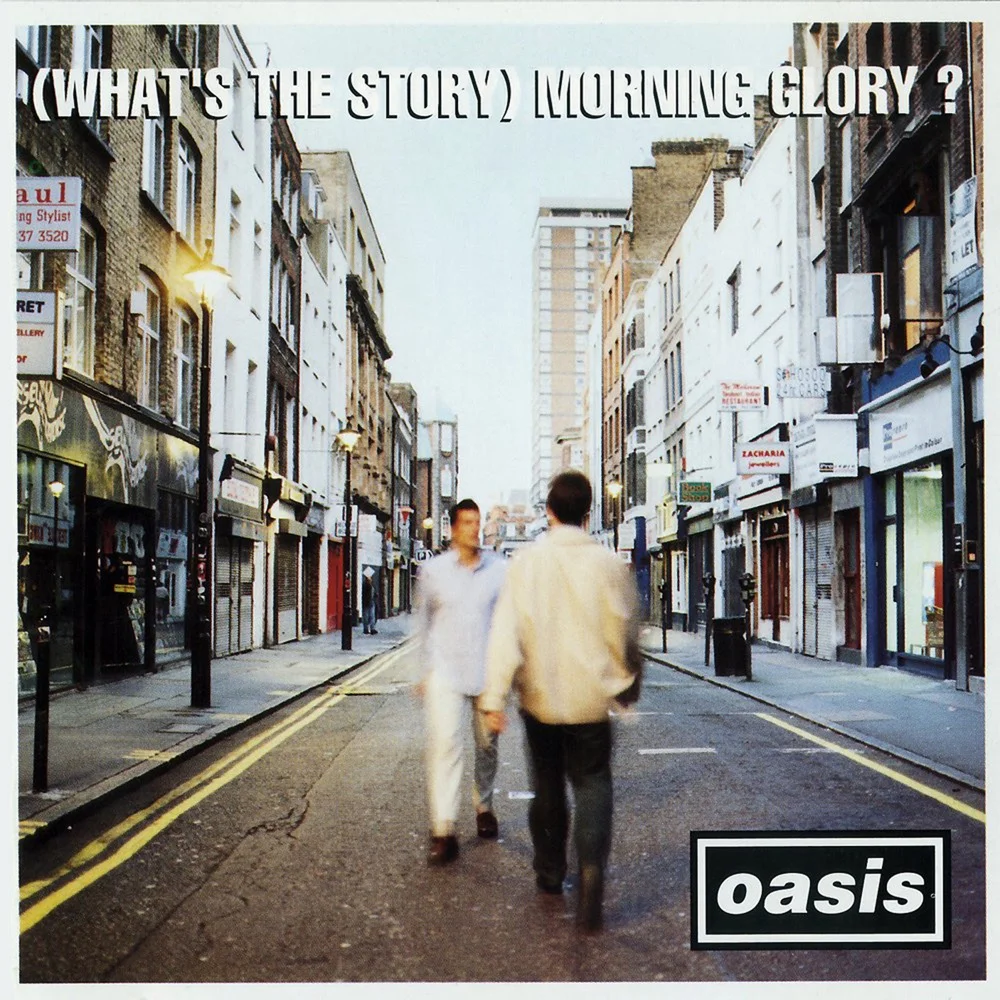
"Don’t Look Back in Anger" is the song that cemented Noel Gallagher not just as a songwriter, but as a compelling lead vocalist. Released in 1996 on (What's the Story) Morning Glory?, this track is an absolute crowd-pleaser that sits comfortably in C Major. It does not require the gymnastic range of some rock ballads, but it demands attitude, sustain, and emotional resonance.
Unlike Liam’s nasal, sneering delivery, Noel’s vocal style on this track is cleaner and more melodic, though it still requires that distinct Manchester grit. Here is how to tackle the song section by section.
AI Coach Tip: Watch the Slide
Many singers "scoop" up to notes excessively when covering Oasis. While some sliding is stylistically appropriate, our analysis shows that hitting the center of the pitch immediately on the word "Anger" yields higher accuracy scores.
Phase 1: The Verse (0:00 - 1:07)
The verse ("Slip inside the eye of your mind") sits in a very comfortable mid-range (E3-E4). The challenge here is rhythm and storytelling. You want to sound nonchalant, almost conversational.
The Trap: Don't drop the energy too low. Keep a consistent breath support so the ends of phrases don't trail off into silence. The melody on "Don't you know you might find" requires a small jump that needs to be precise.
Phase 2: The Pre-Chorus (1:07 - 1:33)
The tension builds here with the line "So I start a revolution from my bed." The melody climbs slightly. You should start adding more "twang" or brightness to your voice here to cut through the increasing instrumentation.
Be careful with the transition on "Cos you said the brains I had went to my head." It’s easy to rush the timing here. Stay locked in with the snare drum.
Phase 3: The Chorus Belt (1:33 - 2:00)
This is the moment everyone waits for. The line "So Sally can wait" hits a solid G4. For a Tenor, this is a money note; for a Baritone, it is a high belt.
To hit the G4 safely:
- Vowel Modification: Don't sing a wide "A" sound on "Wait." Modify it slightly towards "Weh-it" to keep the throat open.
- Placement: Think of projecting the sound forward to your front teeth. If you swallow the sound, you will strain.
- Support: Engage your core before you hit the note, not after.
Frequently Asked Questions
The highest belted chest-voice note in the main melody is a G4 (on the word "Wait"). In live versions, Noel occasionally improvises higher, but the G4 is the target note.
Yes. The G4 is challenging but attainable for most developed male voices. If it is too high, you can use the Singing Coach AI app to transpose the backing track down to B Major or B♭ Major.
This is one of the most famous Oasis tracks sung by the guitarist and songwriter, Noel Gallagher. Liam Gallagher did not sing lead on this recording.