
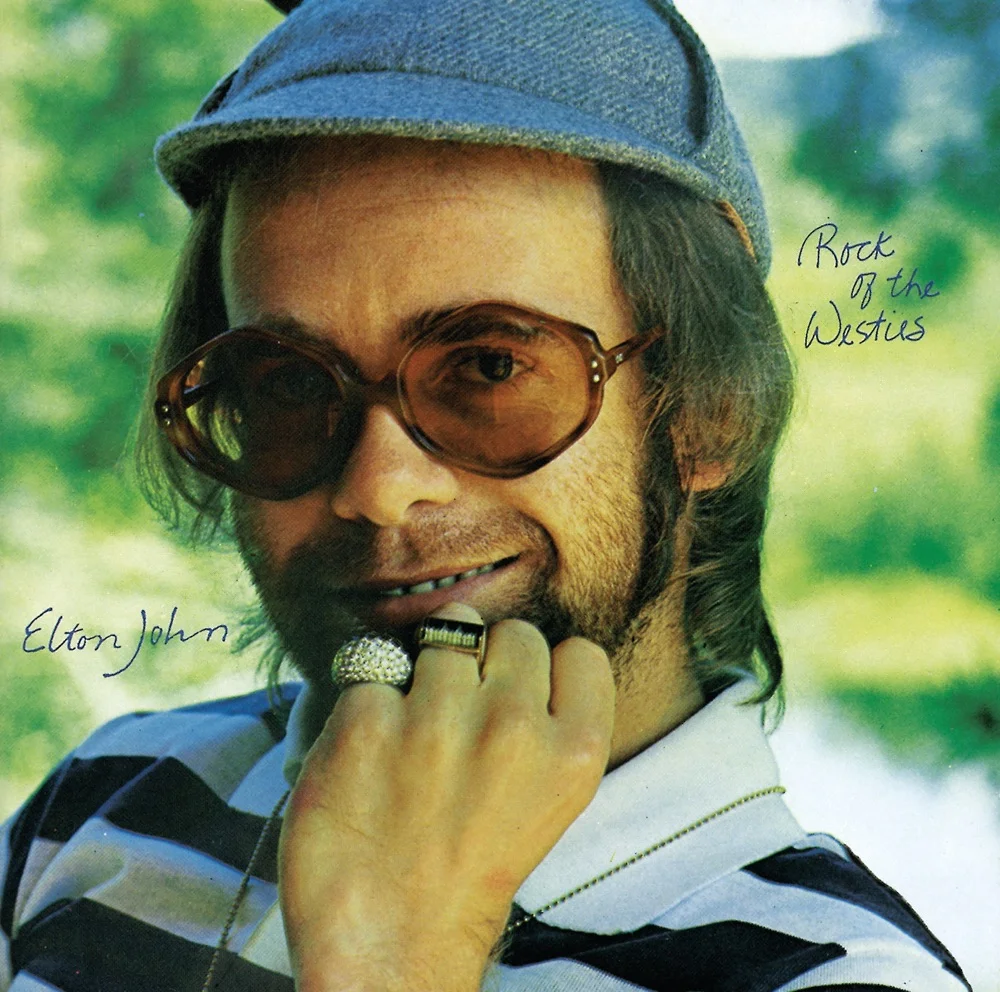
The Ultimate Feel-Good Duet
"Don't Go Breaking My Heart" is a masterclass in pop chemistry. Released in 1976 as a standalone single by Elton John and Kiki Dee, it was intended as a pastiche of the Motown style, specifically the duets recorded by Marvin Gaye and Tammi Terrell. It’s light, infectious, and deceptively tricky to sing perfectly.
To sing this well, you need more than just pitch accuracy; you need energy and timing. Whether you are singing Kiki's part, Elton's part, or singing solo, the challenge lies in the syncopation and the rapid-fire call and response.
AI Coach Tip: Watch the Tempo
Because the song is so upbeat, singers tend to rush the beat. Our analysis shows that laying slightly back on the beat (singing just milliseconds after the snare hit) creates a more professional, "in-the-pocket" groove.
Phase 1: Call and Response (The Verses)
The verses are built on a conversation. "Don't go breaking my heart" (Elton) is immediately answered by "I couldn't if I tried" (Kiki).
The Trap: Overlapping your partner. The lyrics are conversational but the rhythm is strict. Ensure you end your phrases cleanly with crisp consonants so there is space for the next line to enter. Avoid dragging out the vowels at the end of lines like "honey" or "tried."
Phase 2: The Harmony (The Chorus)
The chorus ("Woo hoo, nobody knows it") features bright harmonies. The key here is blending.
- The "Woo-Hoo": This requires a light, bouncy placement. Use your head voice or a light mix. If you push too hard here from the chest, it sounds aggressive rather than playful.
- Right from the start: This line descends in melody. Keep your soft palate lifted to prevent the pitch from going flat as you go down the scale.
- Energy: Maintain a smile while singing. This brightens the tone naturally, fitting the disco-pop genre perfectly.
Phase 3: The Bridge & Outro
The bridge slows down harmonically but not rhythmically. The "Ooh, nobody knows it" section is a chance to catch your breath, but keep the core engaged. In the outro, ad-libs become more prominent. If you are singing the Kiki Dee part, don't be afraid to add some vocal fry or "cry" into the higher notes for emotional emphasis.
The song modulates towards the end, requiring a slight lift in energy and breath support to hit the higher notes with the same ease as the beginning.
Frequently Asked Questions
For the female part (Kiki Dee), the highest sustained belt touches a C5, with some ad-libs going higher. Elton's part stays generally within the F3-A4 range.
Yes, though it requires jumping between registers quickly to cover both parts. The Singing Coach AI app allows you to sing one part while the AI covers the other, or sing both!
Keep your tone bright and forward. Avoid heavy, operatic vibrato. Think "speech-level singing" with a lot of rhythmic bounce.