
The "Religious Experience" of Pop Vocals
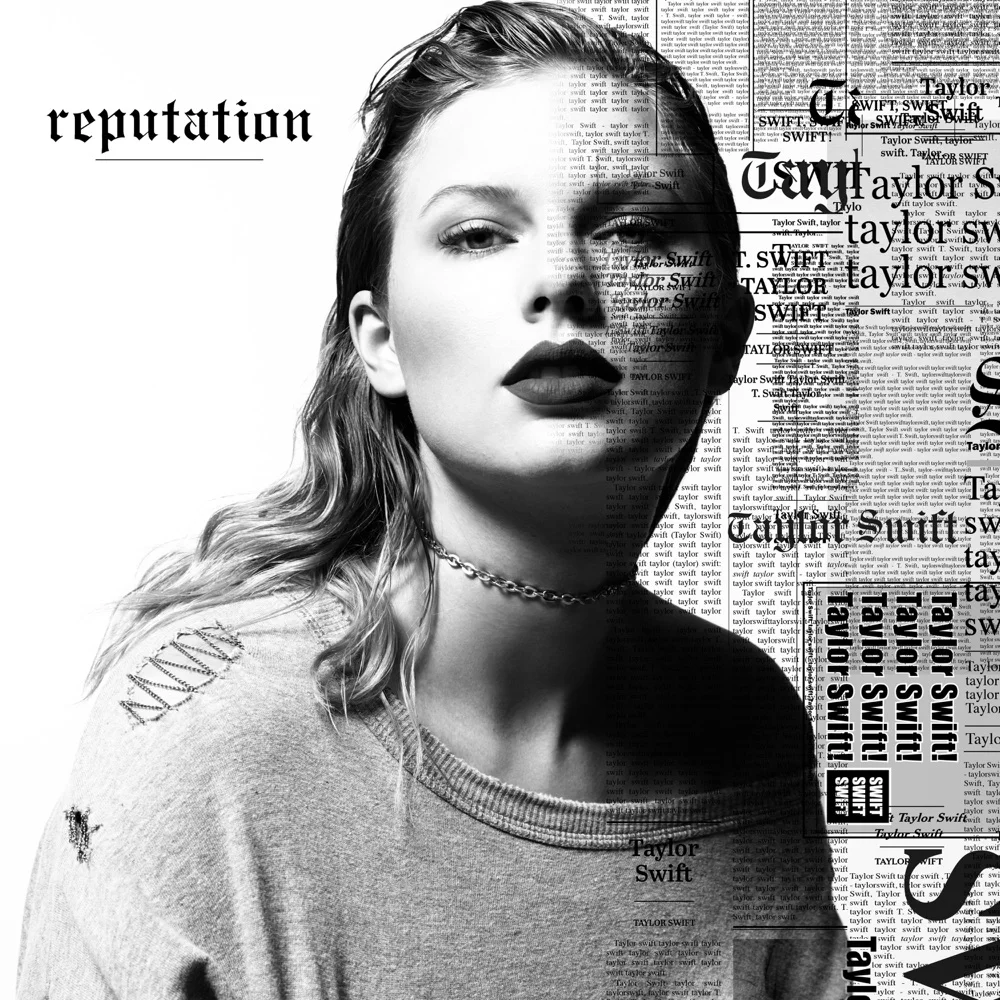
Released on the 2017 album Reputation, "Don't Blame Me" is widely considered one of Taylor Swift's most vocally demanding songs. Blending electropop with gospel and blues influences, the track requires a singer to navigate deep, sultry lows and explosive, high-stamina belts.
The song is structured to build intensity. You cannot simply sing it; you must perform it. The dynamic shift from the moody verses to the "church-choir" chorus is where most singers lose control. Let's break down the technique.
AI Coach Tip: Conserve Your Air
The chorus lines are long and require sustained power. Analysis shows users often run out of breath before the phrase "Lord save me." Take a deep, low diaphragmatic breath before the chorus hits to support the belt.
Phase 1: The Verses (Low & Sultry)
The song starts in the lower register, around E3/G3. The lyrics "Don't blame me, love made me crazy" should be delivered with a darker tone color.
The Trap: Many singers "fry" their voice here or lose volume. Keep your chest resonance active but use a breathier texture to convey the moody atmosphere without losing pitch clarity.
Phase 2: The Gospel Chorus
The energy explodes here. You need to switch from that breathy verse texture to a clear, forward-placed sound. The repetition of "Lord save me, my drug is my baby" sits in a challenging transitional area (A4-C5).
- Vowel Shape: Drop your jaw. Don't sing a wide "E" vowel on "Me"; modify it slightly towards "May" or "Meh" to give your throat more space.
- Resonance: Aim the sound towards the hard palate behind your front teeth to get that gospel "ring."
Phase 3: The Bridge & The High Note (E5)
This is the moment everyone waits for. The bridge builds tension with "I get so high," leading into the final breakdown. The ad-libbed "Ooh!" is a belted E5.
To hit this note safely, you must use "anchoring." Engage your core muscles and keep your neck relaxed. Do not push from the throat. If you feel tightness, you are pushing too much air. Think of the note as a laser beam, focused and small, rather than a shout.
Frequently Asked Questions
The highest belted chest/mix note is an E5 during the bridge/final chorus ad-libs. The lead melody also consistently hits C5.
Yes. The stamina required to maintain the belt in the final chorus is high. We recommend warming up with lip trills before attempting the full track in the app.
Absolutely. The low verses (E3) are perfect for Altos. The high belt requires technique (mixed voice) rather than just raw range, which you can practice with Singing Coach AI.