
The Art of Intimate R&B
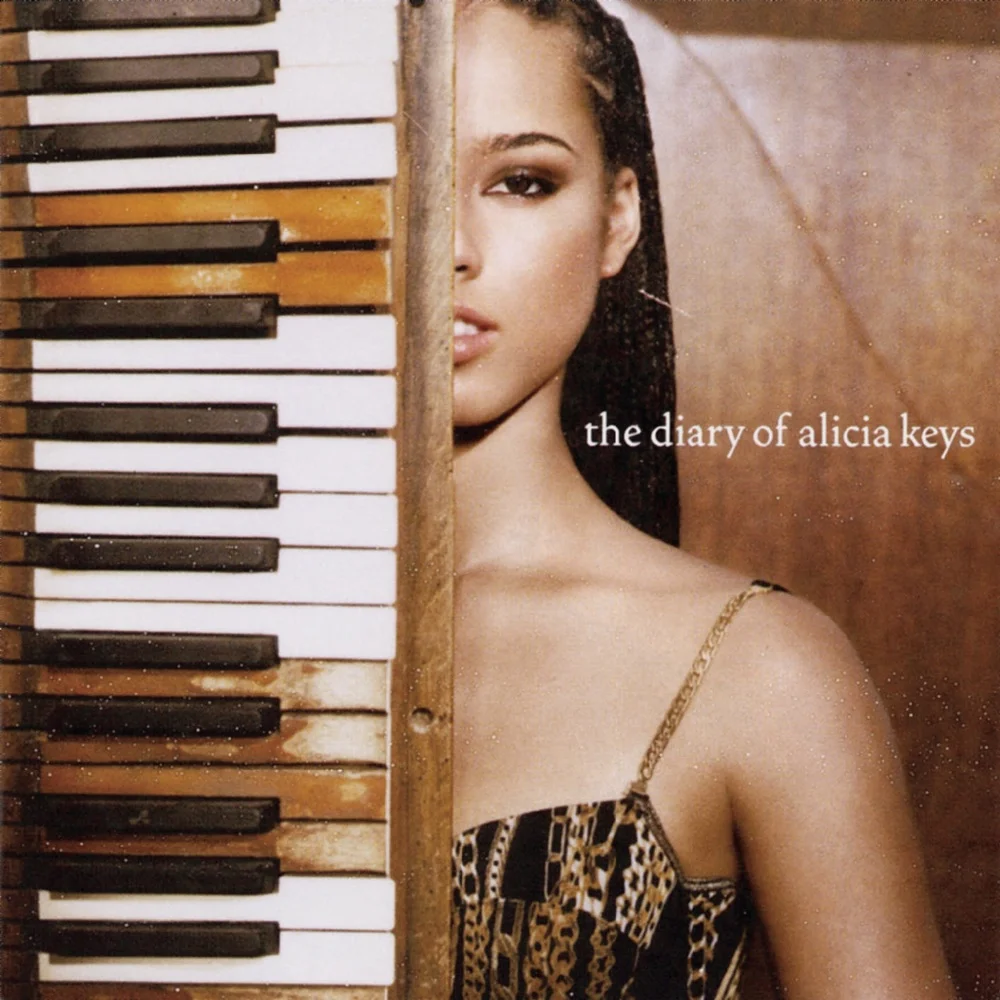
"Diary" is a masterclass in neo-soul vocal delivery. Released on Alicia Keys' sophomore album The Diary of Alicia Keys, the song mimics an intimate phone conversation. Unlike power ballads that rely on sheer volume, this track demands subtlety, breath control, and the ability to execute effortless melisma (runs).
To sing this well, you need to resist the urge to belt too early. The magic lies in the warm lower register verses and the floating falsetto of the chorus. Let's break down exactly how to tackle it, section by section.
AI Coach Tip: Air Flow vs. Compression
Many singers compress their vocals too much on the verses. "Diary" requires a high airflow rate (breathiness) to achieve that signature "whisper" quality without losing pitch accuracy.
Phase 1: The Verses (G#3 - B4)
The song begins in B major with a spoken-word quality. The line "Lay your head on my pillow" sits in the lower chest register. It shouldn't sound heavy or booming; it should sound warm.
The Trap: Because the volume is low, singers often go flat. Ensure you are engaging your diaphragm even at low volumes to keep the pitch centered, especially on the descending phrases.
Phase 2: The Chorus (Head Voice Mix)
The chorus "I won't tell your secrets" transitions into a lighter mix. Alicia uses a very heady placement here. If you try to pull chest voice up too high here, the song loses its intimate vibe and sounds like shouting.
- Your Secrets: Soften the "S" sounds to avoid harsh sibilance in the microphone.
- Phasing: Notice how she drags slightly behind the beat (back-phasing) to create a relaxed groove.
- Transitions: You must flip smoothly between your chest voice and head voice on the word "Diary."
Phase 3: The Outro and Ad-libs
This is the most technically demanding part of the song. As the phone number is recited, Alicia performs complex pentatonic runs ("Ooh, ooh"). These ad-libs range up to a G#5 in head voice.
To master these runs, practice them slowly on a "Nu" syllable. This keeps the larynx neutral and helps separate the notes before you speed them up to the track's tempo.
Frequently Asked Questions
The highest belted note is roughly a C#5, but the head voice ad-libs and harmonies reach up to G#5 and beyond depending on the live version.
Absolutely. While Alicia is a Mezzo, the song's reliance on head voice makes it very comfortable for Sopranos. You may just need to add a bit more "chest" resonance to the lower verses.
It requires fitness! You need to take quick "catch breaths" between phrases. Use the Singing Coach AI breath monitor to visualize where to inhale.