
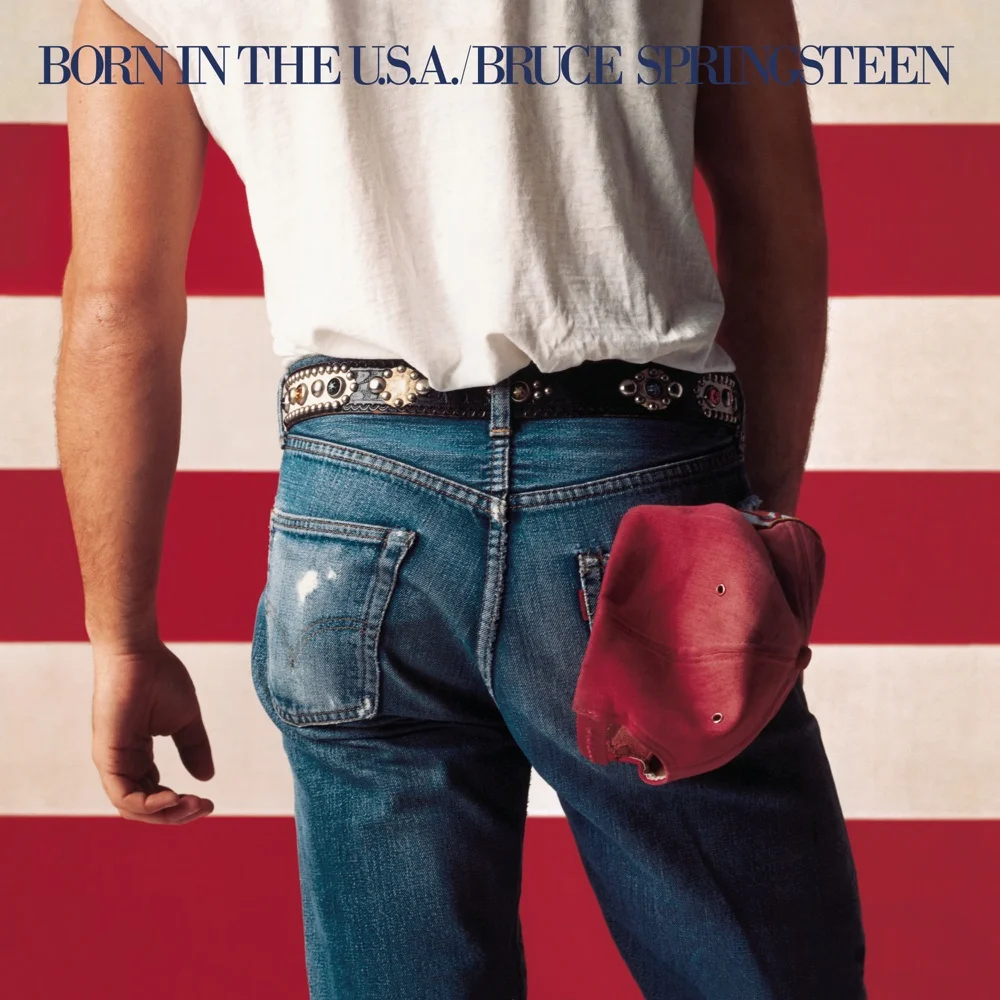
The Anthem of "Born in the U.S.A."
Dancing in the Dark is arguably Bruce Springsteen's most commercially successful track, released as the lead single from the 1984 album Born in the U.S.A. Unlike his earlier, rawer acoustic work, this track is driven by synthesizers and a driving drum beat. Vocalists must balance the electronic pop energy with organic, heartfelt storytelling.
To sing this well, you need to master the "Baritone texture." It’s less about hitting high notes and more about rhythm, diction, and maintaining a solid column of air throughout the phrases. Let's break down the technique.
AI Coach Tip: Watch the Lows
Many singers lose volume on the opening line "I get up in the evening." Our analysis shows that maintaining chest resonance on these low B2 notes is critical for a high score. Don't fry the voice; support it.
Phase 1: The Verses (Low & Rhythmic)
The song starts in the lower register. Lines like "I check my look in the mirror" are almost spoken rather than sung. The key is to keep the sound forward in the mask of the face, even though the pitch is low.
The Trap: Because the notes are low, singers often let their pitch sag flat. Ensure you are attacking the note squarely. Use a slight "cry" in the voice to keep the vocal cords connected.
Phase 2: The Pre-Chorus Build
As the lyrics move to "Messages keep getting clearer," the melody begins to climb. You need to increase your breath support here. Do not yell. Instead, think of increasing the intensity of your eyes and face. The volume will naturally follow.
- Radio's on: Keep the vowels open. Don't close your mouth too much on the 'o'.
- Moving round the place: This requires precise rhythm. Don't rush the beat.
Phase 3: The Chorus Hook
The famous line "You can't start a fire" sits right in the "break" for many male voices. You want a strong, chest-dominant mix here. If you switch to falsetto, the energy of the song dies instantly.
To achieve the Springsteen grit, engage your core muscles as if you are lifting a heavy weight. This stabilizes the diaphragm and allows you to add that gravelly texture safely without hurting your throat.
Frequently Asked Questions
The highest main melody note is around an F#4, but during the ad-libs and the "Hey baby!" shouts near the end, Springsteen hits a G#4.
It is generally considered accessible for Baritones. The range isn't extreme, but the challenge lies in the stamina required to keep the energy up for 4 minutes.
Rasp should come from false chord engagement, not squeezing the throat. Practice the "sigh" technique in the Singing Coach AI app to find relaxed vibration before adding power.