Mastering the Ultimate 80s Rock Anthem
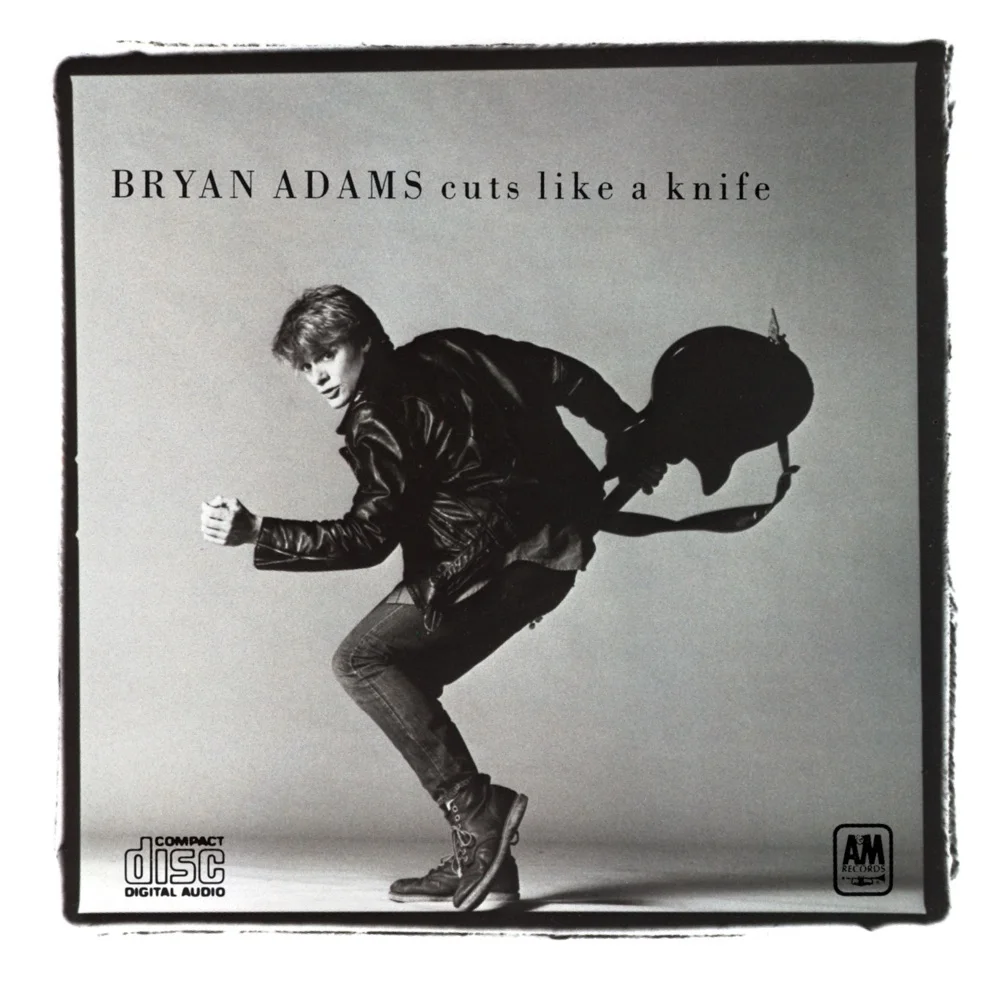
Cuts Like a Knife is the title track from Bryan Adams' breakthrough 1983 album. It is a masterclass in building tension and releasing it through a powerful, gritty chorus. The song combines melodic rock sensibilities with a vocal performance that feels raw and spontaneous, yet requires immense control.
To sing this effectively, you need to balance a clean narrative tone in the verses with the trademark "Adams Rasp" in the choruses. It's not just about hitting the notes; it's about the attitude. Let's break down exactly how to tackle it, section by section.
AI Coach Tip: Safe Distortion
Many singers squeeze their throat to get the "raspy" sound, which hurts. Our analysis detects tension. To get the grit safely, use 'twang' and engage your false chords gently, keeping plenty of airflow.
Phase 1: The Verses (0:00 - 0:58)
The song begins in D major with a steady groove. The opening line, "Drivin' home this evening," sits comfortably in the chest voice. The challenge here is rhythm and placement.
The Trap: Don't start too aggressively. The verses need to tell a story. Keep the sound forward in the mask (near your nose/teeth) but keep the volume at a conversation level. Save your vocal stamina.
Phase 2: The Pre-Chorus & Chorus (0:58 - 1:45)
Here comes the hook. "It cuts like a knife!" requires a strong mix belt. The melody jumps to F#4 and G4, pushing towards A4.
- Vowel Modification: On the word "Knife," don't sing a wide "Eye" sound. Modify it slightly towards "Ah" or "Oi" to keep the throat open on the high note.
- Breath Support: The chorus is punchy. Engage your diaphragm sharply on the word "Cuts" to give it the necessary percussive attack without straining your cords.
Phase 3: The "Na Na Na" Outro (3:30 - End)
This is iconic. The long "Na na na" section is a test of endurance. You are essentially chanting in your upper chest register for an extended period.
To survive this section, do not push harder as you get tired. Instead, focus on resonance. Keep the sound buzzing in your hard palate. If you feel a tickle in your throat, switch to a cleaner tone immediately.
Frequently Asked Questions
The highest belted note in the main melody is a B4, though Bryan often ad-libs up to a C#5 live.
It pushes the limit for untrained Baritones. However, because it relies on a "shouty" rock texture, many Baritones can hit these notes using a strong belt mix. You can also transpose down -2 semitones in the app.
Cracking usually happens when you carry too much "weight" (chest voice) up too high. Try thinning out the sound slightly as you ascend, imagining the sound shooting out of your forehead.