
The Ultimate Torch Song
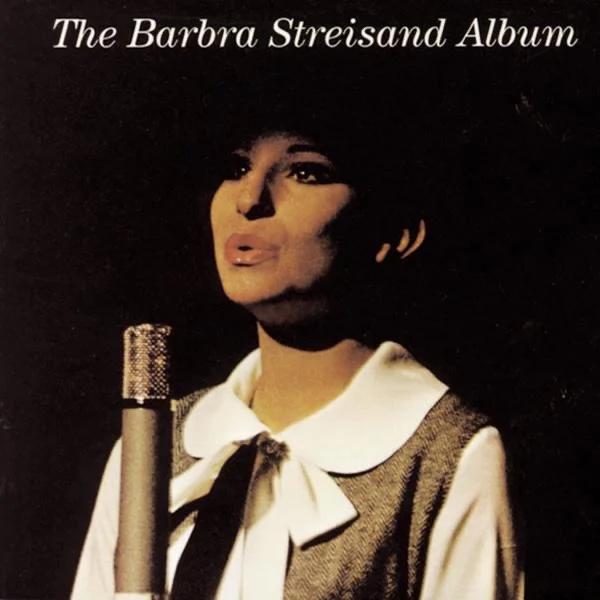
"Cry Me a River," famously reimagined by Barbra Streisand on her 1963 debut album, is a masterclass in dynamic singing. Unlike standard pop songs that stay at one volume, this track requires you to whisper, speak, and belt, often within the same phrase. It is as much an acting monologue as it is a song.
To sing this well, you must master the "crying" quality in your voice—raising the soft palate while keeping the larynx relatively neutral to create a warm, resonant sound without straining. Let's break down the vocal roadmap.
AI Coach Tip: Phrasing is Key
Many singers chop the lyrics into small pieces. Streisand's magic comes from legato—smooth, connected singing. Try to sing entire lines in one breath to maintain the emotional tension.
Phase 1: The Intimate Verse
The song opens in a low, conversational register. The line "Now you say you're lonely" should be sung with a mix of breath and tone. You want it to sound personal, like you are whispering into someone's ear.
The Trap: Because it starts low (around G3/Ab3), singers often lose support and go flat. Engage your diaphragm gently even on the quiet notes to keep the pitch accurate.
Phase 2: The Emotional Swell
As the song progresses to "You drove me, nearly drove me, out of my head," the dynamics must increase. This isn't just about getting louder; it's about adding weight to the voice. You should transition from a breathy tone to a solid chest-mix.
- Consonants: Use the consonants in "drove" and "remember" to launch the vowels. Crisp diction adds to the dramatic effect.
- Vowel Shaping: Keep vowels tall (drop the jaw) rather than wide to maintain that classic, warm Streisand quality.
Phase 3: The Climax
The bridge and final sections require power. The line "Come on and cry" allows you to open up into a full belt (around C5-Eb5). This needs to be forward-placed to avoid damaging your vocal cords.
Use the emotion of the lyrics—anger, vindication, and sadness—to fuel the volume. If you just "shout" the notes, it will sound harsh. If you "cry" the notes, it will sound powerful.
Frequently Asked Questions
The dynamic control. Moving smoothly from very soft (pianissimo) to very loud (fortissimo) without the voice cracking or breaking is the primary challenge.
Yes, but the low verses might lack power. You can transpose the key up +2 semitones in the Singing Coach AI app to make the low notes shine while keeping the high notes accessible.
This is often called the "cry" technique. It involves slightly tilting the thyroid cartilage. Practice making a gentle "whimpering" sound on a scale to feel the coordination before applying it to the lyrics.