
Mastering the Retro Rock Vibe
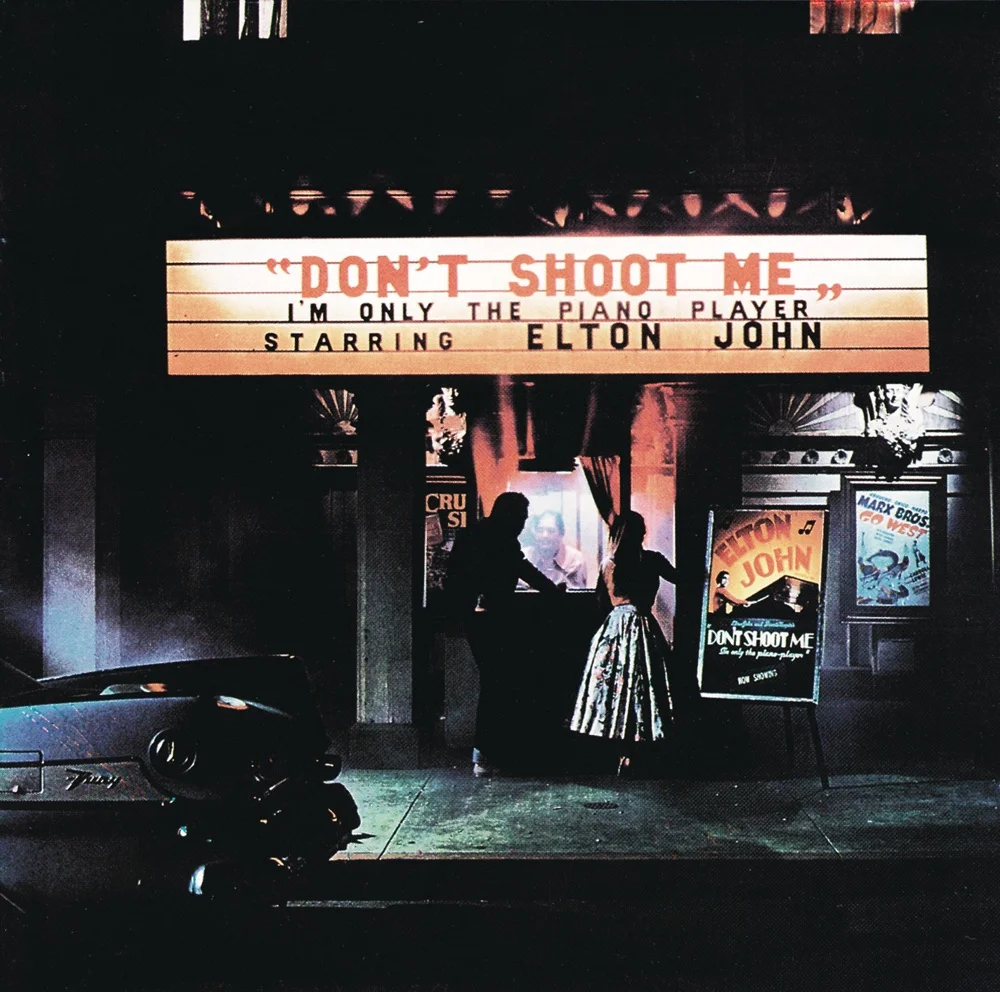
Released in 1972 on the album Don't Shoot Me I'm Only the Piano Player, "Crocodile Rock" is Elton John's nostalgic tribute to the rock and roll era of the 1950s. It’s upbeat, fun, and relies heavily on rhythmic precision and a distinct vocal character.
The song requires a singer who can tell a story with a bit of "twang" in their lower register, while effortlessly popping up into a bright falsetto for the iconic chorus. It’s less about power belting and more about agility and style. Let's look at how to break it down.
AI Coach Tip: Watch the Falsetto
The most common mistake users make is pushing too much air on the "La La La" section. Keep your volume moderate and focus on a "forward" placement in your mask (nose/cheekbones) to get that piercing, retro sound without strain.
Phase 1: The Verses (Storytelling)
The verses ("I remember when rock was young...") sit in a very comfortable range for Baritones and Tenors (G2 - D4). The key here is rhythm. The piano is playing a bouncy, staccato rhythm, and your vocals should match that.
The Trap: Don't slur the words. This is a fast-paced narrative. Use crisp consonants to keep the energy moving forward. Imagine you are smiling while singing to brighten the tone.
Phase 2: The Pre-Chorus Build
As you move into "But the years went by..." the melody climbs slightly. This is where you need to engage your breath support more actively. You want to build intensity without shouting. Keep the chest resonance warm, but start lightening the weight of your voice to prepare for the leap coming up in the chorus.
Phase 3: The "La La La" Chorus
This is the signature hook. The vocals jump into a falsetto melody that mimics a Farfisa organ. The notes hit around C5.
- Placement: Direct the sound towards your hard palate. It should feel "buzzy" in your head.
- Agility: The notes move quickly. If you are struggling to hit the pitch accurately, slow it down in the Singing Coach AI app and practice the transition from chest to head voice.
- Style: It’s meant to sound a bit cheesy and fun. Don't try to make it sound like a classical aria; keep it bright and pop-focused.
Frequently Asked Questions
The highest note is a C5, sung in falsetto during the "La La La" chorus. The highest chest voice note is generally around E4/F#4 depending on your mix.
You can, but it changes the style of the song significantly. If the falsetto is too high, try transposing the song down -2 semitones in the app, or sing the chorus an octave lower for a deeper, crooner feel.
The verses are wordy. Identify the punctuation marks in the lyrics and take quick "sip" breaths rather than deep gasps. This keeps the rhythm steady.