
The Art of the Swamp Rock Groove
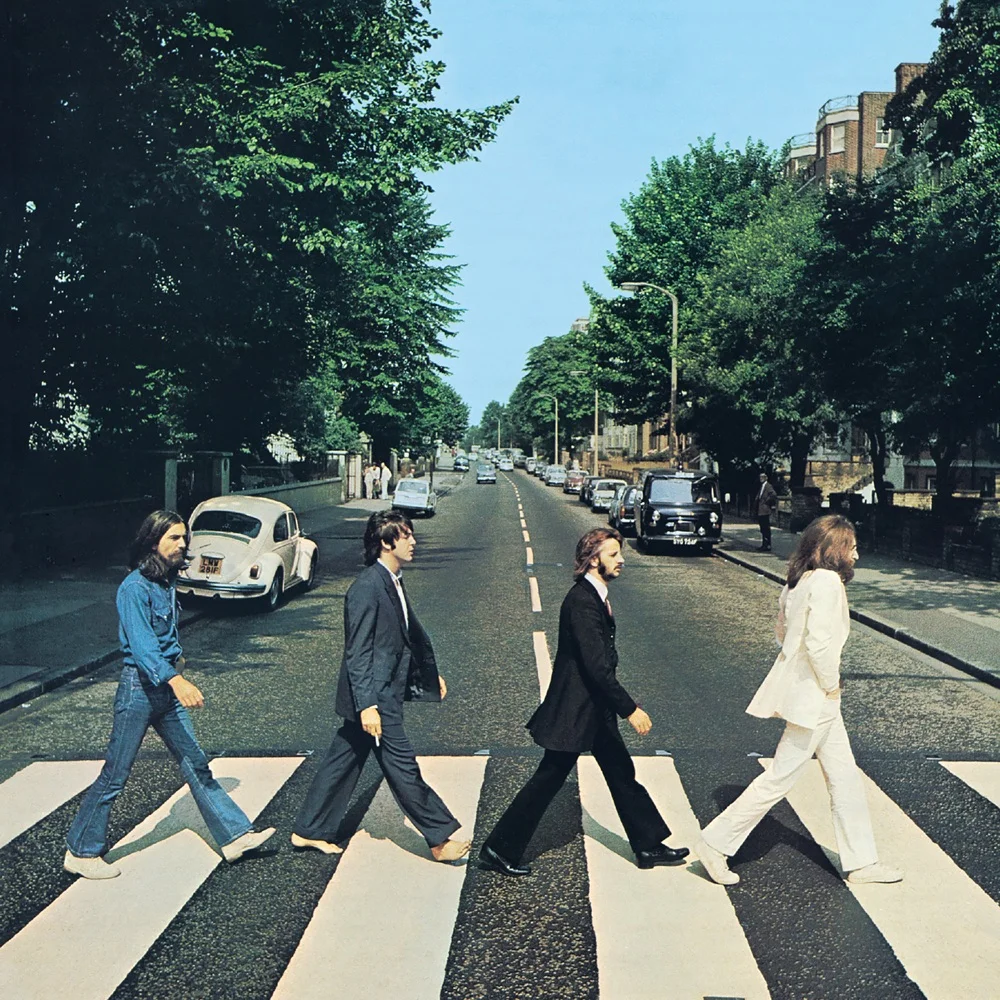
Come Together is the opening track of the Beatles' iconic 1969 album Abbey Road. Written by John Lennon (credited to Lennon–McCartney), it features one of his most distinctive vocal performances. Unlike the high-flying acrobatics of McCartney, Lennon's delivery here is grounded, gritty, and heavily rhythmic.
To sing this well, you need to abandon "pretty" singing. This song requires a "forward placement" (singing into the mask of your face) to get that nasal, cutting tone that Lennon was famous for. Let's break down the techniques required to master the groove.
AI Coach Tip: Watch the Tempo
The number one mistake singers make on Come Together is rushing the verses. The track sits back on the beat. Practice singing slightly behind the snare drum to capture the lazy, swampy feel.
Phase 1: The "Shoot Me" Intro
The song opens with a sound that is often misheard. Lennon whispers "Shoot me" through his teeth, combined with a handclap and heavy tape delay. To replicate this without studio effects:
- Technique: Use a sharp, percussive exhale. Hiss the "Sh" sound loudly and drop quickly into the "oot".
- Rhythm: This acts as a rhythmic percussion instrument. It must lock in perfectly with the bass riff.
Phase 2: The Staccato Verses
The verses ("Here come old flattop...") are sung almost like a rap. The melody stays relatively flat, hovering around D3 and F3. The challenge is diction and breath control.
The Trap: Because the lyrics are rapid-fire and nonsensical, singers often slur them. You need crisp consonants (t's and p's) to cut through the heavy bassline. Keep your chest voice engaged but relaxed.
Phase 3: The Chorus Lift
When the song transitions to the chorus ("Come together, right now..."), the energy lifts. You move from the staccato verse into a legato (smooth) line.
This section introduces the highest notes of the core melody (around G4/A4). You should open up your throat space here for a fuller, warmer tone compared to the thin, nasal verses. This contrast makes the chorus pop.
Frequently Asked Questions
The lead vocal generally tops out around A4 during the ad-libs and the chorus lift. It is a very accessible song for Baritones and Tenors.
Lennon's voice had natural grit, plus he often used slapback echo. To mimic the grit safely, try adding a bit of "vocal fry" to the beginning of phrases or narrowing your pharynx to create a "twangy" sound.
Come Together is in D Minor. This gives it that moody, bluesy atmosphere. Ensure your vocal improvisations stick to the D Minor Pentatonic scale.