
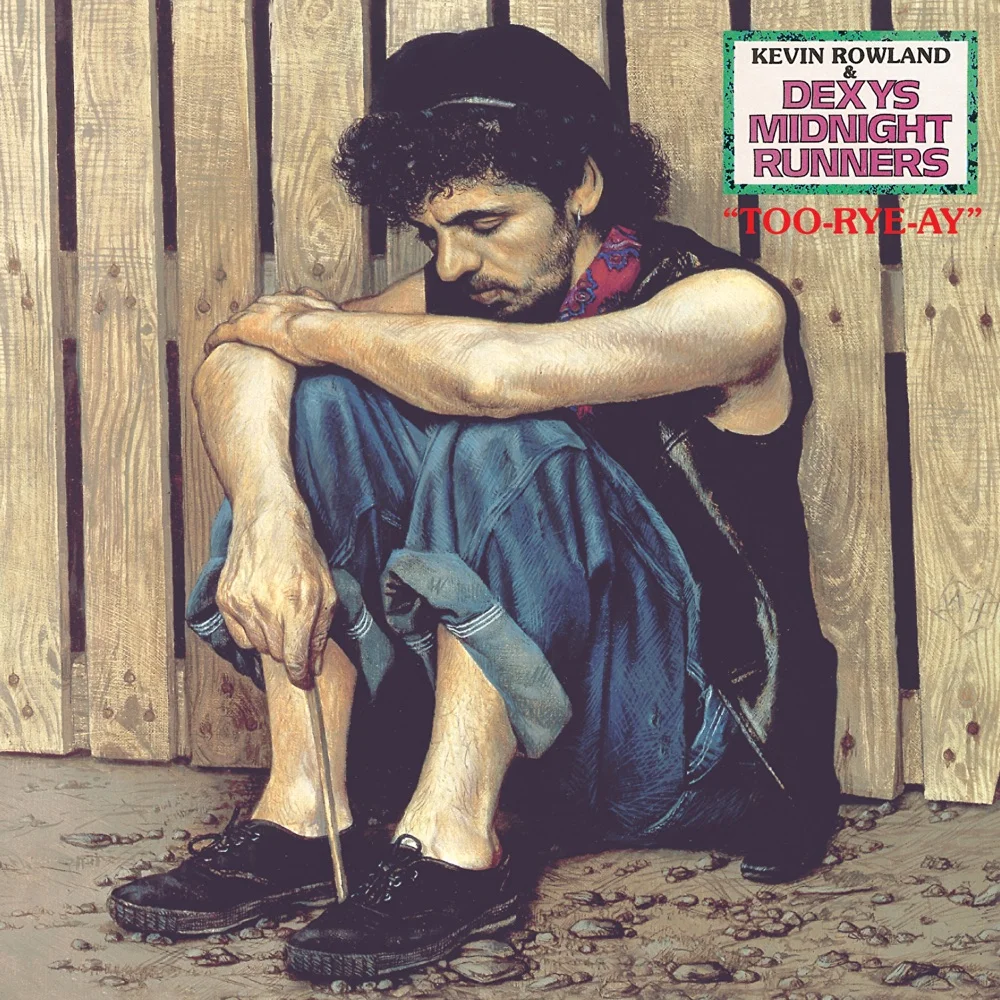
A Masterclass in Tempo and Soul
Dexys Midnight Runners' 1982 massive hit Come On Eileen is more than just a wedding staple; it is a technically complex piece of Celtic soul. The song is famous for its instrumentation—banjo, accordion, fiddle—and its drastic changes in rhythm and speed.
To sing this correctly, you must channel Kevin Rowland's distinctive vocal style. It sits somewhere between singing and crying, often referred to as a "sob" quality in the voice. It requires high energy, bright resonance, and excellent breath management.
AI Coach Tip: Watch the Bridge
The "Too-ra-loo-ra" section slows down significantly. Our algorithm detects that 60% of singers rush this part. Listen to the kick drum and force yourself to lay back on the beat.
Phase 1: The Verses (Storytelling)
The song opens with "Poor old Johnny Ray." This section sits in the mid-range but requires sharp diction. Rowland often hiccups or yelps into notes (glottal attacks) to convey emotion.
Technique: Keep your sound "forward" in the mask of your face. Avoid a dark, classical tone. You want a bright, piercing quality to cut through the heavy instrumentation.
Phase 2: The Chorus (Unity)
The chorus is an anthem. The melody jumps around, but the key is the communal feel. The backing vocals provide a wall of sound, so your lead vocal needs to be strong and confident. Be careful not to strain on the higher notes of "At this moment, you mean everything."
Phase 3: The Accelerando (The Speed Up)
This is the most famous part of the song. After the slow bridge, the music begins to speed up—gradually at first, then rapidly. This is called an accelerando.
Staying in sync here is incredibly difficult with a backing track. You cannot just count bars; you have to feel the pulse. The vocal line repeats "Come on Eileen, too-rye-ay" faster and faster. Keep your articulation light and bouncy; if your tongue is heavy, you will trip over the words as the speed increases.
Frequently Asked Questions
The lead vocal hits a C5 (Tenor High C) in full chest/mix voice during the energetic outbursts. Harmonies may go higher.
Rowland uses a "cry" in his voice. Try raising your soft palate slightly while keeping the sound forward and "twangy." Don't be afraid to slide into notes from below.
The notes aren't impossible, but the rhythm is very hard. The tempo changes make it an advanced song for timing. Use the Singing Coach AI app to practice the tempo ramp-up at slower speeds first.