
The Ultimate Storytelling Ballad
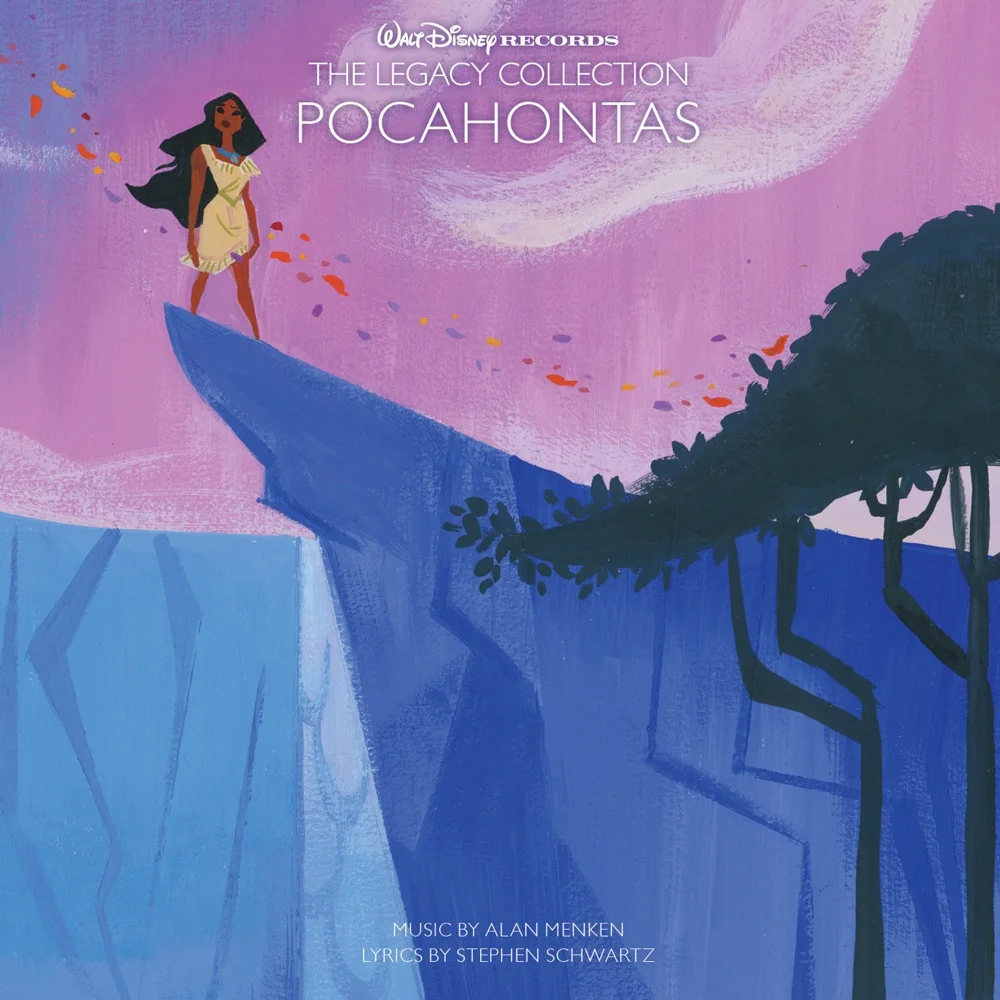
"Colors of the Wind" is not just a Disney hit; it is a masterclass in musical storytelling. Written by Alan Menken and Stephen Schwartz for the 1995 film Pocahontas, the song demands a vocalist who can balance conversational low notes with soaring, powerful belts. It transitions through a rich emotional landscape, mirroring the lyrics' plea for understanding nature.
To sing this well, you must master the art of legato—smooth, connected singing. The melody flows like the wind mentioned in the title, and chopping up the phrases will destroy the emotional impact. Let's break down how to approach the song's distinct phases.
AI Coach Tip: Watch Your Breathing
The biggest mistake users make is running out of breath before the end of a phrase. Plan your breaths strategically at punctuation marks. Do not breathe in the middle of a thought like "You think you own / whatever land you land on."
Phase 1: The Conversational Intro (0:00 - 1:15)
The song starts in a lower register (around F3/G3) with the line "You think you own whatever land you land on." This sits in the chest voice for most sopranos and mezzos. The goal here is clarity and warmth.
The Trap: Because the notes are low, singers often let their pitch drop flat or lose energy. Keep your soft palate lifted and speak the lyrics with conviction, treating it like a monologue set to music.
Phase 2: The Soaring Chorus (1:15 - 2:30)
As the song progresses to "Can you paint with all the colors of the wind," the melody lifts. You need to transition into a mixed voice. This isn't a full, heavy chest belt yet; it requires a lighter, more floating quality.
- Vowel Shaping: On the word "wind," avoid a wide, lateral mouth shape. Modify the vowel slightly toward "weh-nd" to keep the throat open and the tone resonant.
- Dynamics: Create a crescendo (gradual volume increase) as the melody rises, but pull back slightly at the end of the phrase for emotional effect.
Phase 3: The Climax and Modulation (2:30 - End)
The bridge builds tension, leading to a key change (typically modulating up to E Major in the film version). The lines "Eagle tells you where he's been" and "Mountain voices" require your full power.
The final chorus hits the highest notes of the song (E5). To hit this safely, anchor your body and use your diaphragm support. Visualize the sound projecting forward out of your mask (face), rather than pushing from your throat. This ensures the high note sounds free and triumphant, not strained.
Frequently Asked Questions
The highest belted note in the standard Judy Kuhn version is an E5 (in the final chorus). The range begins down at F3.
Absolutely. Tenors can often sing it in the original key, while Baritones may prefer to transpose it down -3 or -4 semitones using the Singing Coach AI app to sit comfortably in their range.
Focus on diaphragmatic breathing. Take a deep, low breath before the long phrases (e.g., before "You can own the Earth and still..."). Practice singing the phrases on a lip trill to manage airflow efficiency.