
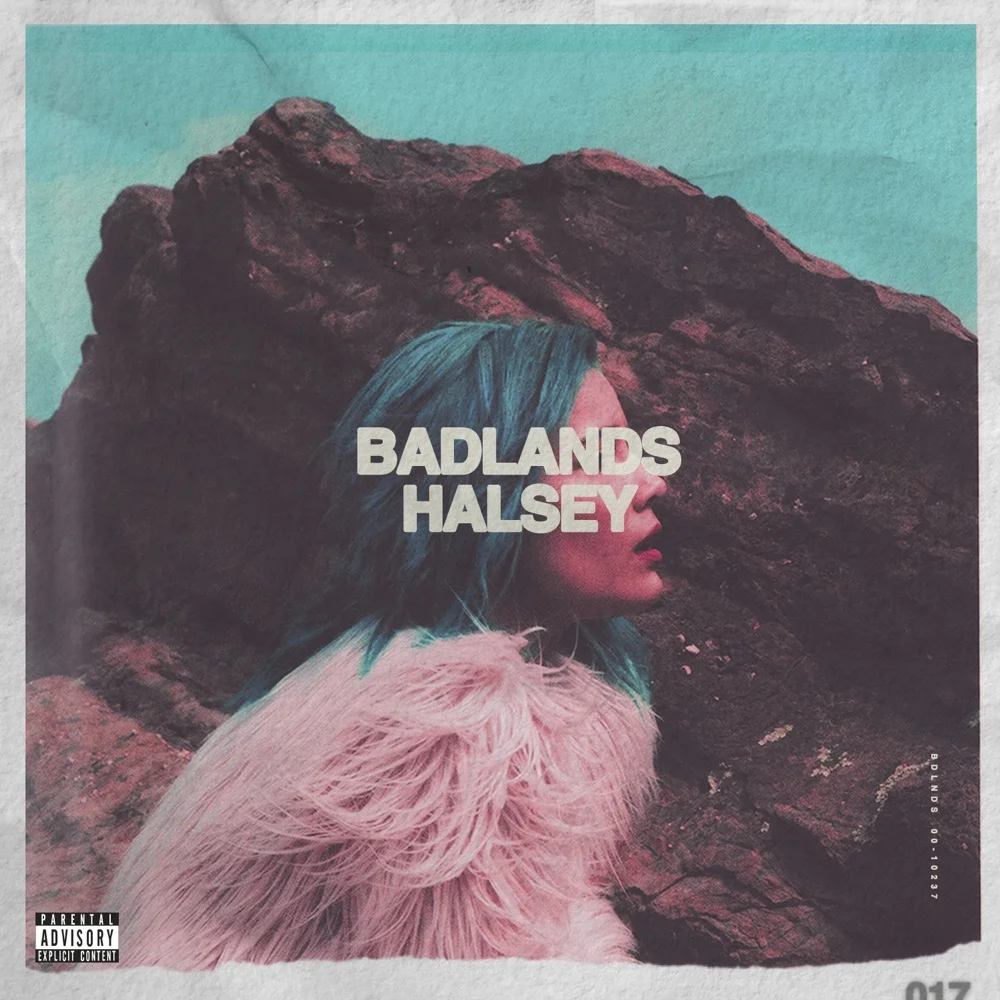
The Anthem of the "Badlands"
"Colors" is one of Halsey's most iconic tracks from the Badlands era. Unlike high-belting pop ballads, this song challenges singers to maintain character and tone in a lower, more conversational register. The lyrics are dense and poetic, requiring excellent breath management to deliver phrases like "You were red and you liked me because I was blue" without gasping for air.
To sing this well, you need to master the balance between a breathy, intimate tone and a solid chest voice that carries the emotional weight of the chorus. Let's break down exactly how to tackle it.
AI Coach Tip: Watch Your Diction
Halsey uses a specific "indie pop" vowel shape (often called "cursive singing"). Our analysis shows that users who over-enunciate consonsants score lower on style. Focus on blending your vowels smoothly.
Phase 1: The Verses (Low Register)
The song begins in B Major but hovers around the lower notes of the scale (F#3). This sits comfortably for altos but can be tricky for sopranos who aren't used to projecting in their lower chest voice.
The Trap: Because the notes are low, singers often let their pitch sag or become "fry-like." Keep the sound forward in your mask, even when singing quietly, to ensure the AI detects the pitch accurately.
Phase 2: The Chorus (Tone & Breath)
The chorus ("Everything is blue...") lifts the melody but keeps the dynamic controlled. The challenge here is the breathy texture. You want to let air escape with the sound, but you must keep your diaphragm engaged.
- Everything is grey: This line drops back down. Ensure you don't lose volume here; use "twang" to cut through the synth production.
- Pill: On the line "ripped the edges off," be careful with the rhythm. It is slightly syncopated.
- Blue: Sustaining this note requires steady airflow. Avoid vibrato until the very end of the note for stylistic accuracy.
Phase 3: The Bridge (The Climax)
The bridge ("You were red...") is the emotional peak of the song. The volume increases, and the vocal placement moves from a relaxed chest voice to a more urgent, forward mix. The highest note, C#5, hits here.
To hit this with the right emotion, focus on the lyrics. The anger and nostalgia should drive the volume increase, rather than just pushing harder from your throat.
Frequently Asked Questions
The highest note in the main vocal line is a C#5, which occurs during the bridge and ad-libs. The lowest note is an F#3.
Yes. The range is very accessible for most female voices and lower male voices. The difficulty lies in the stylistic choices and breath control rather than extreme pitch.
Halsey uses a "glottal onset" frequently (a slight click before starting a vowel) and modifies vowels (e.g., singing "blue" almost like "bleu"). Practice listening to the isolated vocal track in the Singing Coach AI app.