Mastering the "Slowhand" Style
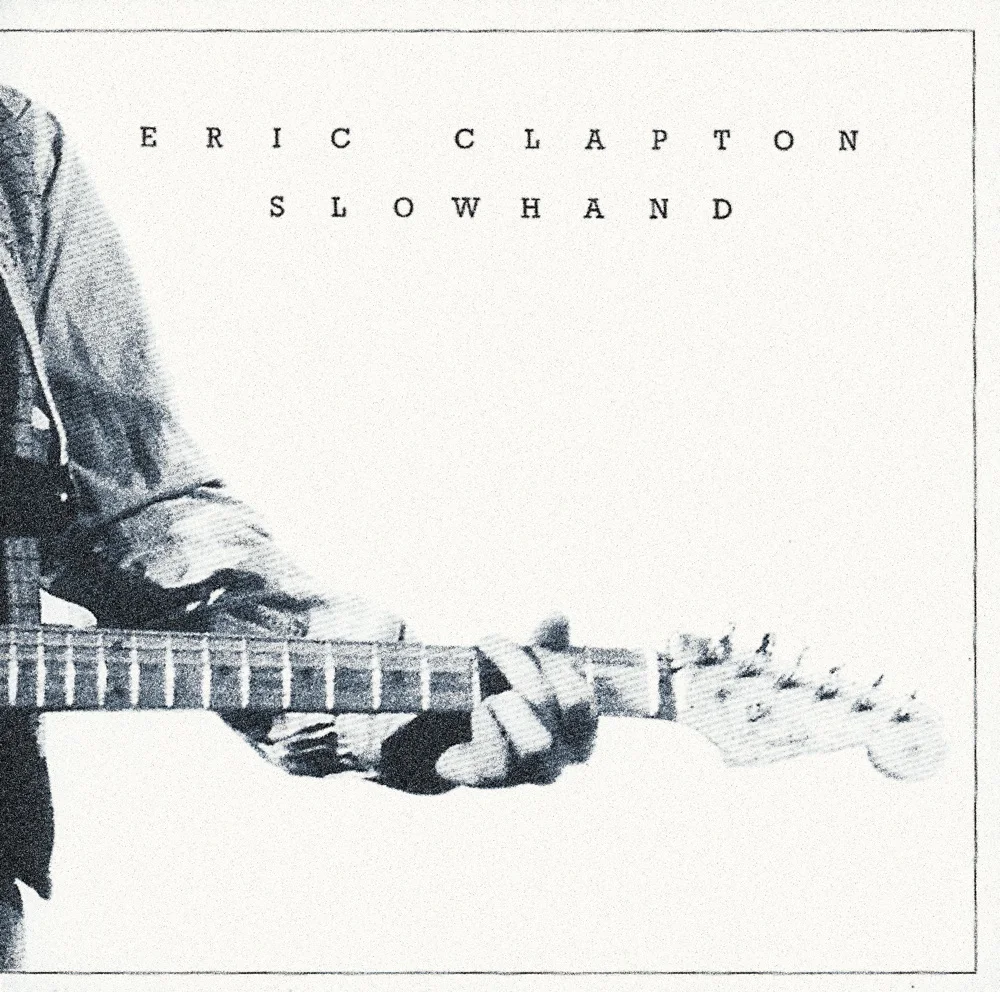
Originally written by J.J. Cale and famously covered by Eric Clapton on his 1977 album Slowhand, "Cocaine" is a masterclass in laid-back blues rock vocals. Unlike power ballads that require massive range, this song demands impeccable timing, phrasing, and a relaxed, conversational tone.
The key to singing this song isn't hitting high notes—it's staying "in the pocket." Clapton’s delivery is almost spoken in parts, sitting comfortably in the Baritone range, but maintaining a subtle melodic contour that drives the song forward.
AI Coach Tip: Don't Rush
The biggest mistake users make is singing ahead of the beat. The "Tulsa Sound" groove is famously behind the beat. Relax your delivery and let the guitar riff lead.
Phase 1: The Conversational Verse
The verses ("If you wanna hang out...") are sung in a staccato, talk-singing style. The range here is very narrow, hovering around E3 and G3.
The Technique: Focus on clear diction but keep the vowels short. You want to match the sharp, percussive nature of the rhythm guitar. Avoid holding notes too long in the verses; it ruins the cool, detached vibe of the song.
Phase 2: The Chorus Harmony
When the chorus hits ("She don't lie, she don't lie..."), the vocal texture changes. While the lead vocal stays grounded, it's often supported by higher harmonies.
- The Melody: The lead vocal line descends slightly. Keep it gritty.
- The Shout: The final word "Cocaine" is shouted/belted. This requires a sudden increase in breath support. Engage your diaphragm to shout safely without scratching your throat.
Phase 3: Attitude and Grit
Eric Clapton isn't trying to sound pretty here; he sounds experienced and weary. To emulate this, you can add a touch of "vocal fry" to the start of your phrases. Relax your jaw and neck muscles completely. If you are tense, you will sound too formal for a blues rock track.
During the instrumental breaks, maintain your stage presence. The vocals in this track are sparse, so when you do sing, every word needs to carry weight and rhythm.
Frequently Asked Questions
The lead vocal rarely exceeds an E4. It is a very comfortable song for Baritones and low Tenors.
Yes. Because the range is limited, it allows beginners to focus entirely on rhythm, breath control, and style without worrying about cracking on high notes.
Don't push from your throat. Instead, use less air pressure but keep the vocal cord closure tight. Think of a "tired" speaking voice to find the natural fry.