
Mastering the Folk-Rock Narrative
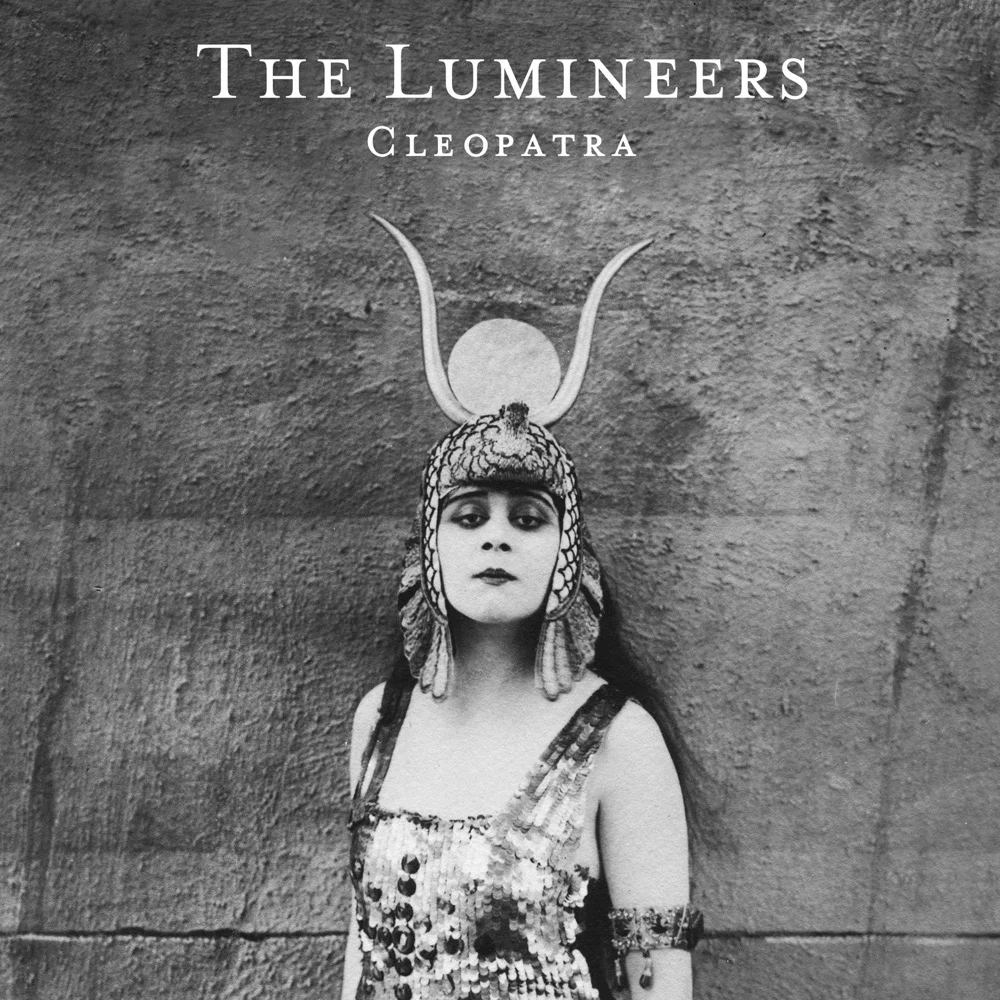
Released in 2016, "Cleopatra" is a masterclass in modern folk storytelling. Unlike power ballads that rely on high notes and vibrato, this song relies on rhythm, clear diction, and raw emotion. It tells the story of an actress reflecting on her past, and your job as the singer is to deliver that narrative convincingly.
The song stays primarily in a comfortable chest register for most Baritones and Tenors, but don't let that fool you. The challenge lies in the rapid-fire delivery of the verses and the breath stamina required to get through long lines without losing power.
AI Coach Tip: Watch Your Diction
The lyrics move quickly ("I was young and an actress..."). Our analysis shows users often slur words in the second verse. Keep your lips active and consonants crisp to score higher on clarity.
Phase 1: The Conversational Verse
The verses should be sung with a "speak-singing" quality. You aren't aiming for operatic resonance here; you want a forward, bright placement that mimics speech. The pitch centers around the mid-range (C3-C4), which is the sweet spot for storytelling.
The Trap: Because the melody is repetitive, it's easy to go flat. Keep your energy up and think of the melody as a driving force, pushing forward to the next bar.
Phase 2: The Chorus Lift
When the line "But I was late for this..." arrives, the dynamics need to shift. This isn't a massive key change, but it requires a change in intensity. You need to engage your diaphragm more to give the vocals a "shouted" (but safe) quality, typical of the indie-folk genre.
- Rhythm: Lock in with the acoustic guitar stomp. If you are behind the beat, the song loses its momentum.
- Vowel Shapes: Use wider vowel shapes on the "Ah" sounds to project more volume without straining your throat.
Phase 3: The Emotional Stamina
By the time you reach the final verse and the outro, you might feel winded. The lyrics are dense and pauses for breath are short. Plan your breaths. Snatch quick breaths through your mouth (not nose) at punctuation marks to keep your tank full for the final emotional delivery.
Frequently Asked Questions
The vocal melody peaks around a G4 during the higher energy sections. It's a very accessible high note for most male voices, but requires good support.
Yes. It is excellent for beginners learning about phrasing and rhythm. Since it doesn't require extreme range, you can focus entirely on your timing and tone.
Wesley Schultz has a raw, slightly "unpolished" sound. Avoid excessive vibrato. Sing straight tones and allow your voice to break or crack slightly for emotional effect if it feels natural.