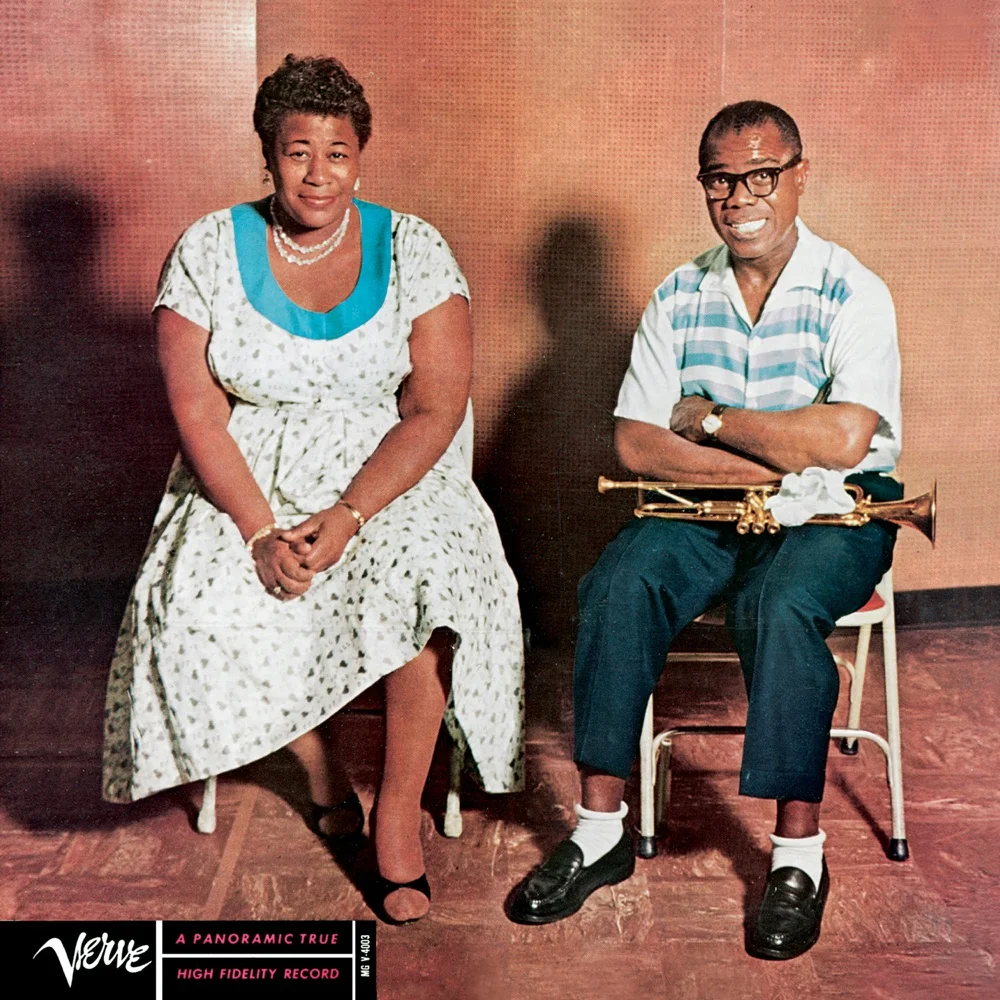
The Gold Standard of Jazz Duets
"Cheek to Cheek," written by Irving Berlin, is a masterclass in American Pop Standards. The 1956 recording by Ella Fitzgerald and Louis Armstrong transforms the song into a conversation. Unlike rock or modern pop, the challenge here isn't hitting high belt notes—it's mastering the "swing" feel and the charm of the delivery.
Singing this song requires you to let go of rigid timing. You need to sing slightly "behind the beat" (known as back-phrasing) without losing the tempo completely. It is a balancing act between precision and relaxation.
AI Coach Tip: The Swing Rhythm
Many beginners sing the rhythm "straight" (like a march). Jazz swings. The AI detects if your eighth notes are too even. Think of the rhythm as a heartbeat: long-short, long-short.
Phase 1: The Opening (Heaven...)
The song begins with the iconic line "Heaven, I'm in heaven." This sits in the middle of the voice.
The Trap: Because the word "Heaven" is high in the phrase, singers often push too much air, making it sound aggressive. Attack the note gently. Use a "heady" mix like Ella to make it sound effortless and floating. If you are singing Louis's part, focus on chest resonance but keep the volume at a conversational level.
Phase 2: The Bridge (Oh I love to climb...)
The bridge introduces a more rhythmic, staccato pattern: "Oh I love to climb a mountain, and to reach the highest peak." This requires excellent diction.
- Consonants: You must articulate the 't's and 'k's clearly to cut through the band.
- Breath Control: The phrases get longer here. Ensure you take a deep, low breath before "But it doesn't thrill me half as much..." so you don't run out of air before the resolution.
Phase 3: The Blend
If you are singing this as a solo, you have to decide on your character. Are you the smooth, bright optimist (Ella)? Or the warm, grounded realist (Louis)? The magic of the recording is the contrast.
Toward the end, the melody climbs. There are no screamer notes, but maintaining pitch accuracy while sliding between notes (portamento) is difficult. The Singing Coach AI will analyze your pitch curves to ensure your slides are stylistic, not just flat singing.
Frequently Asked Questions
In this key, the melody generally peaks around C5 or D5, which is very accessible for most voice types. The challenge is tone, not height.
No! Do not force a growl, as this can damage your vocal cords. Louis had a unique physiology. Focus on his phrasing and warmth rather than imitating the gravel.
Listen to the hi-hat cymbal in the backing track. Snap your fingers on beats 2 and 4. Try to land your notes just a millisecond after the beat for that relaxed jazz sound.