
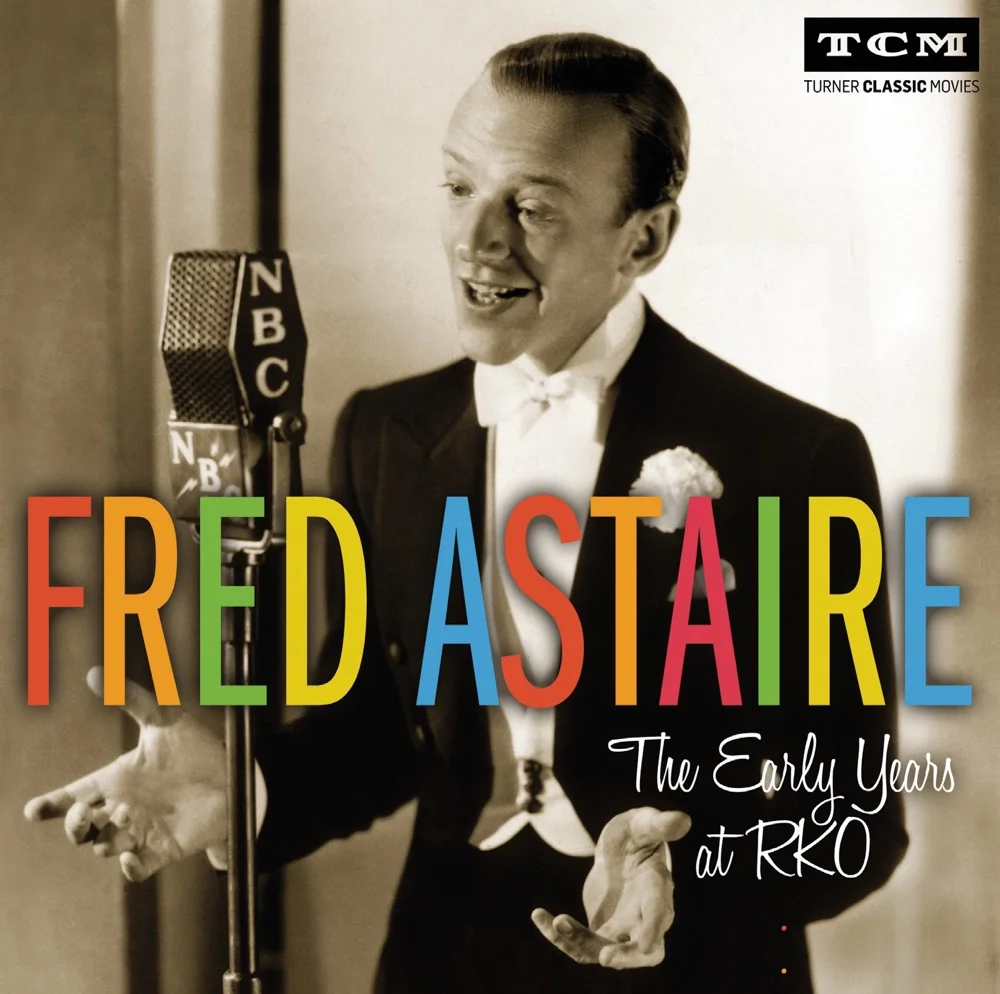
Mastering the Art of the "Croon"
Written by Irving Berlin for the film Carefree (1938), "Change Partners" is a masterclass in the Great American Songbook style. Unlike modern pop or rock, this song does not require high belts or aggressive dynamics. Instead, it demands impeccable phrasing, rhythm, and a relaxed "conversational" delivery that Fred Astaire was famous for.
To sing this well, you must resist the urge to push. The melody glides up and down in a narrow range, making it accessible for Baritones and Tenors alike. The challenge lies in selling the story—a polite yet persistent request to dance.
AI Coach Tip: Back Phrasing
Astaire rarely sang exactly on the beat. He often sang slightly behind it, a technique called "back phrasing." Our analysis shows that users who rush the tempo score lower on style. Take your time; let the band lead.
Phase 1: The Verse (0:00 - 0:45)
The song opens with "Must you dance every dance with the same fortunate man?" This section is almost spoken. Maintain a chest resonance, but keep it light. Think of it as whispering a secret in a crowded room.
The Trap: Many singers mumble here. While the volume is low, the diction must be crisp. The consonants in "dance," "same," and "man" need to be articulated clearly to cut through the orchestration.
Phase 2: The Chorus Lift (0:45 - 1:30)
When the line "Won't you change partners and dance with me?" arrives, the melody lifts. This is the emotional core of the song. You should use a smooth legato technique here, connecting the vowels seamlessly.
- Won't you change: Slide gently into the note rather than attacking it.
- And dance with me: Hold the final note with a steady, warm tone. Avoid excessive vibrato; keep it straight and classic.
Phase 3: The Charm Factor
Fred Astaire wasn't known for having a "big" voice, but he had incredible charm. When singing "Ask him to sit this one out," infuse your tone with a smile. This brightens the resonance naturally and makes the performance feel authentic to the era.
Keep your breathing shallow and frequent. Unlike opera, where you take massive breaths, this style requires shorter sips of air to maintain the casual, effortless vibe.
Frequently Asked Questions
The melody is very contained, typically peaking around a D4 or Eb4 depending on the key. It is very safe for lower male voices.
Not at all. Fred Astaire's range was closer to a light Baritone. This song is actually perfect for Baritones who want to showcase tone without straining for high notes.
Focus on "tall" vowels and very clear enunciation of T's and D's at the end of words. Avoid pop "fry" or breathiness; keep the tone clear and forward.