
The "Miseducation" Masterpiece
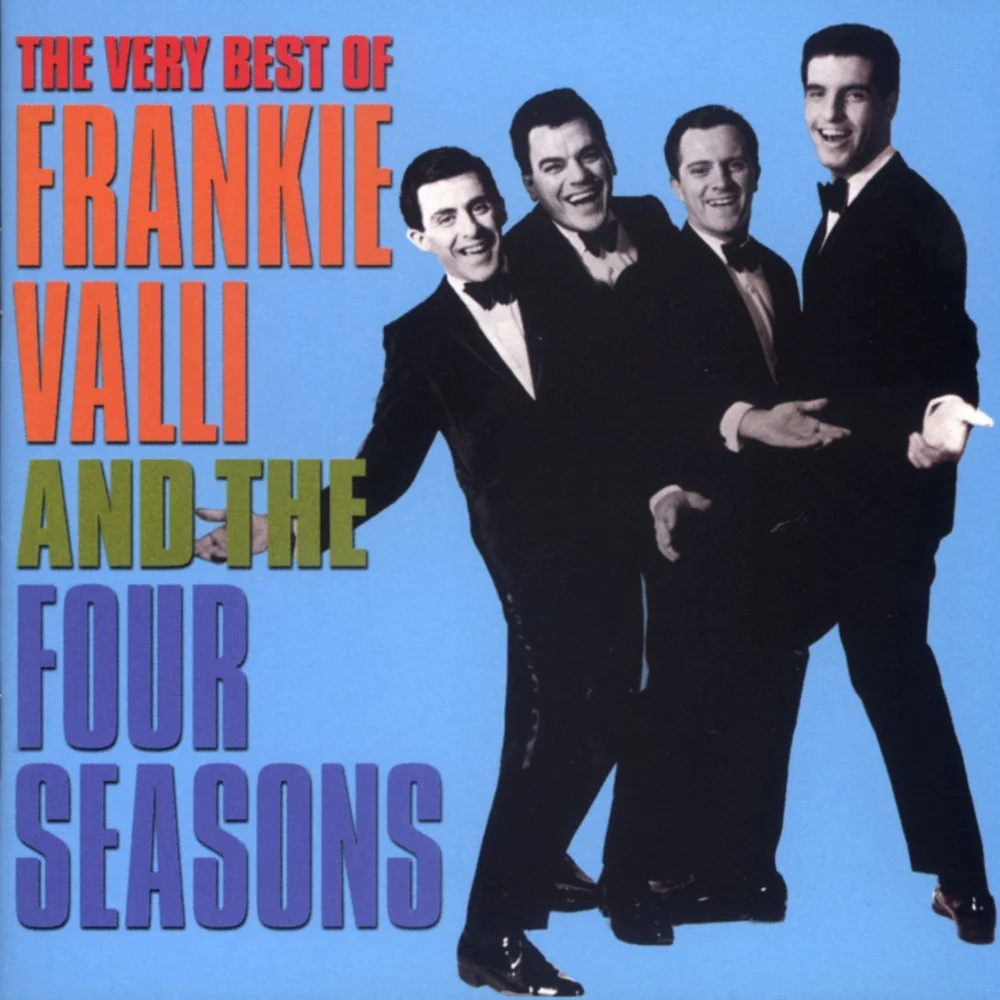
Originally a hidden track on The Miseducation of Lauryn Hill, this cover of Frankie Valli's 1967 hit transformed the song into a Neo-Soul anthem. Unlike the original's pop punch, Lauryn's version relies on texture, groove, and a hip-hop heartbeat.
To sing this well, you need to abandon the "musical theater" clarity and embrace a warmer, raspier tone. The song demands a strong chest voice in the verses and incredible rhythmic discipline when the drums kick in.
AI Coach Tip: Watch Your Phrasing
Lauryn often sings slightly behind the beat (back-phrasing) to create a relaxed feel. However, beginners often drag too much. Our app's visualizer helps you lock into the pocket without losing the soul.
Phase 1: The Soulful Verse (0:00 - 1:18)
The track opens with a stripped-back arrangement. You are singing in E Major. The key here is "legato"—smooth, connected notes.
The Trap: Many singers push too hard on "You're just too good to be true." This should be intimate. Think of it as a musical whisper. Keep your larynx neutral and use a mix of chest and breathy tone.
Phase 2: The Pre-Chorus Climb (1:18 - 2:05)
As you approach "I love you baby," the energy must lift. You aren't belting yet, but you are adding weight to your voice. This section sits in the passaggio (bridge) for many female voices.
- Support: Engage your lower abs. If you squeeze from the throat, the notes will sound thin.
- Vowels: Modify "Baby" to sound more like "Beh-beh" to keep the throat open and the tone rich.
Phase 3: The Hip-Hop Bridge (2:05 - End)
This is the signature Lauryn Hill twist. The beat drops, and the song shifts from a ballad to a hip-hop soul jam. The vocals here are less about melody and more about rhythm.
On the "Da-da, da-da" ad-libs and the final chorus runs, you need agility. The notes are short and punchy. Practice your pentatonic scales to nail the runs at the end without sounding messy.
Frequently Asked Questions
The highest belted note is generally a D5 during the ad-libs, though the core melody stays within a comfortable chest/mix range up to B4.
Relax your jaw and allow a little more air into your tone. Try sliding into notes (portamento) rather than hitting them dead-on immediately, but don't overdo it.
Yes, but the low notes in the verse (G3) might feel quiet. You can use the Singing Coach AI app to transpose the key up +2 semitones to make the lows shine brighter.