
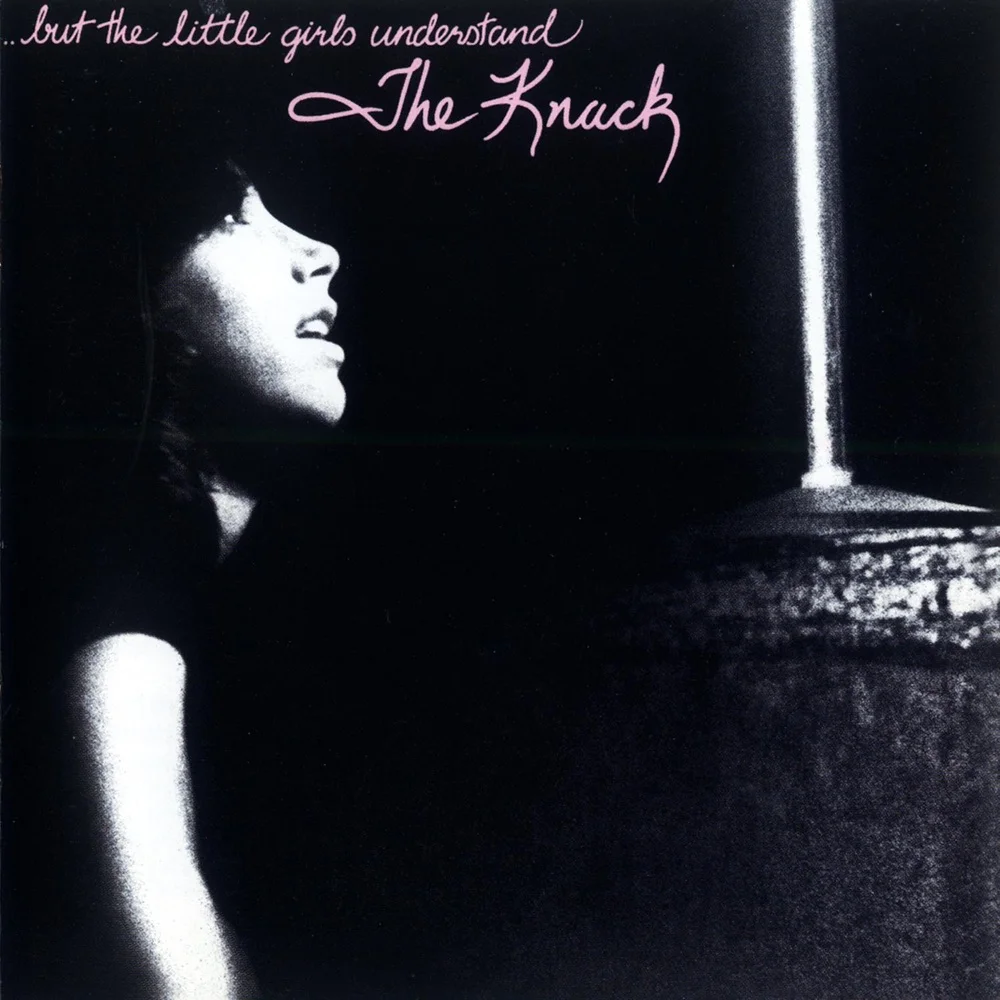
The Heart of "Get The Knack"
"Can't Put a Price on Love" offers a stark contrast to the stuttering, high-energy hits like "My Sharona." It reveals the band's softer side, heavily influenced by 60s pop and girl-group melodies. For a singer, this song is about sustained lines, dynamics, and emotional honesty.
While the range isn't extreme, the challenge lies in the transitions between the relaxed verses and the more urgent, belted choruses. Let's break down the technique required to master Doug Fieger's vocal performance.
AI Coach Tip: Watch Your Phrasing
Many singers rush the delivery in the verses. Our analysis suggests singing slightly behind the beat to create that laid-back, "cool" rock ballad feel. Keep your breath support steady.
Phase 1: The Verses
The song opens with a steady drum beat and guitar. The vocals here should be conversational. The range sits comfortably in the middle register for most Tenors. The key here is tone color.
The Trap: It's easy to sound bored. You need to inject a sense of longing into the lyrics without increasing volume. Focus on clear enunciation, especially on lines like "talkin' in your sleep" and "secrets that you keep."
Phase 2: The Chorus Lift
The energy shifts on the title line: "You can't put a price on love." The pitch jumps up, requiring a shift into a stronger chest mix. You want a bright, forward placement here.
- "Price on Love": Ensure you have an open throat for the word "Love." If you close down, the note will sound pinched.
- Vowel Modification: Modify the "Love" vowel slightly towards "Lahv" to help maintain resonance on the higher notes.
- Breath Support: Engage your diaphragm firmly before the chorus hits to ensure the volume increase is supported by air, not throat tension.
Phase 3: The Bridge & Outro
The bridge builds tension. The vocal delivery becomes more aggressive and pleading. You can allow a little bit of "grit" or rasp to enter your voice here to sell the emotion of the lyrics "I don't want to be the one..."
As the song fades out with repeated refrains, practice improvising slightly with the timing, but always return to the core melody. It's a stamina test to keep the energy up until the very end.
Frequently Asked Questions
The lead vocal generally tops out around an A4 in the ad-libs and belts, though the core melody sits slightly lower.
Yes, but the chorus might sit in your "break" or passaggio. You may need to transpose the track down -1 or -2 semitones using the Singing Coach AI app to sing it comfortably in chest voice.
It's a blend of American power pop and British Invasion influence. Keep your vowels bright and your diction rhythmic, but allow for emotional slides between notes.